
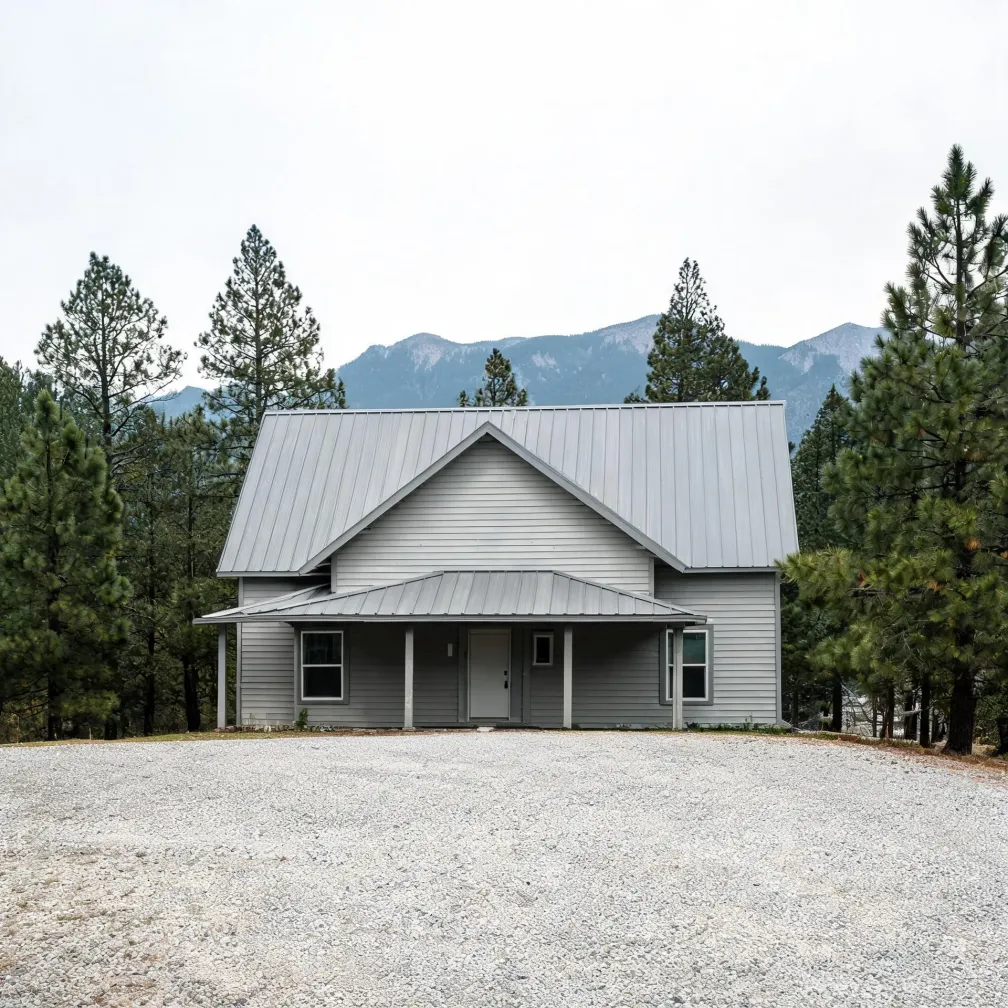
What Montana homes are up against.
NOAA National Centers for Environmental Information, Storm Events Database, bulk CSV export, events 2015-01-01 through 2024-12-31. · U.S. Census Bureau, 2020-2024 American Community Survey 5-Year Estimates

Gas water heater work in Montana starts with what the burner and ignition system have already been through. Utility gas heats more occupied homes in Montana than any other fuel, at 50.5% (2020-2024 ACS 5-year). A home running on utility gas depends on that burner cycling reliably through every cold stretch, and a unit that has been doing that for years may look functional until the demand on it changes or a contractor checks what the combustion side is actually doing. Wear on those components does not announce itself evenly, and a quote built without reading them is a quote built on incomplete information.
A quote for water heater work starts with what a contractor can see and test on site, not with what they expect to find. Pipe connections, venting paths, and electrical supply all have to be checked before a specification can be written, because what was installed to code at one point may not support what a replacement unit requires today. Half the homes in Montana were built in 1981 or earlier (2020-2024 ACS 5-year). That means a contractor working anywhere in the state encounters existing systems that were sized, vented, and connected under older standards, and has to assess each one before confirming what the new installation needs.
Does your Montana county get hit harder by severe weather?
2015–2024 · Source: NOAA National Centers for Environmental Information, Storm Events Database.
A heavier storm record means a water heater has to hold up through cold snaps, high wind, and the power outages that can come with either. A tank that sits exposed, or lines that run through an unheated space, feel that stress first. Have a contractor check where the unit is installed, how exposed it is to the cold, and whether its venting and connections are secure.