Tell us about the job
Takes about a minute. No obligation.
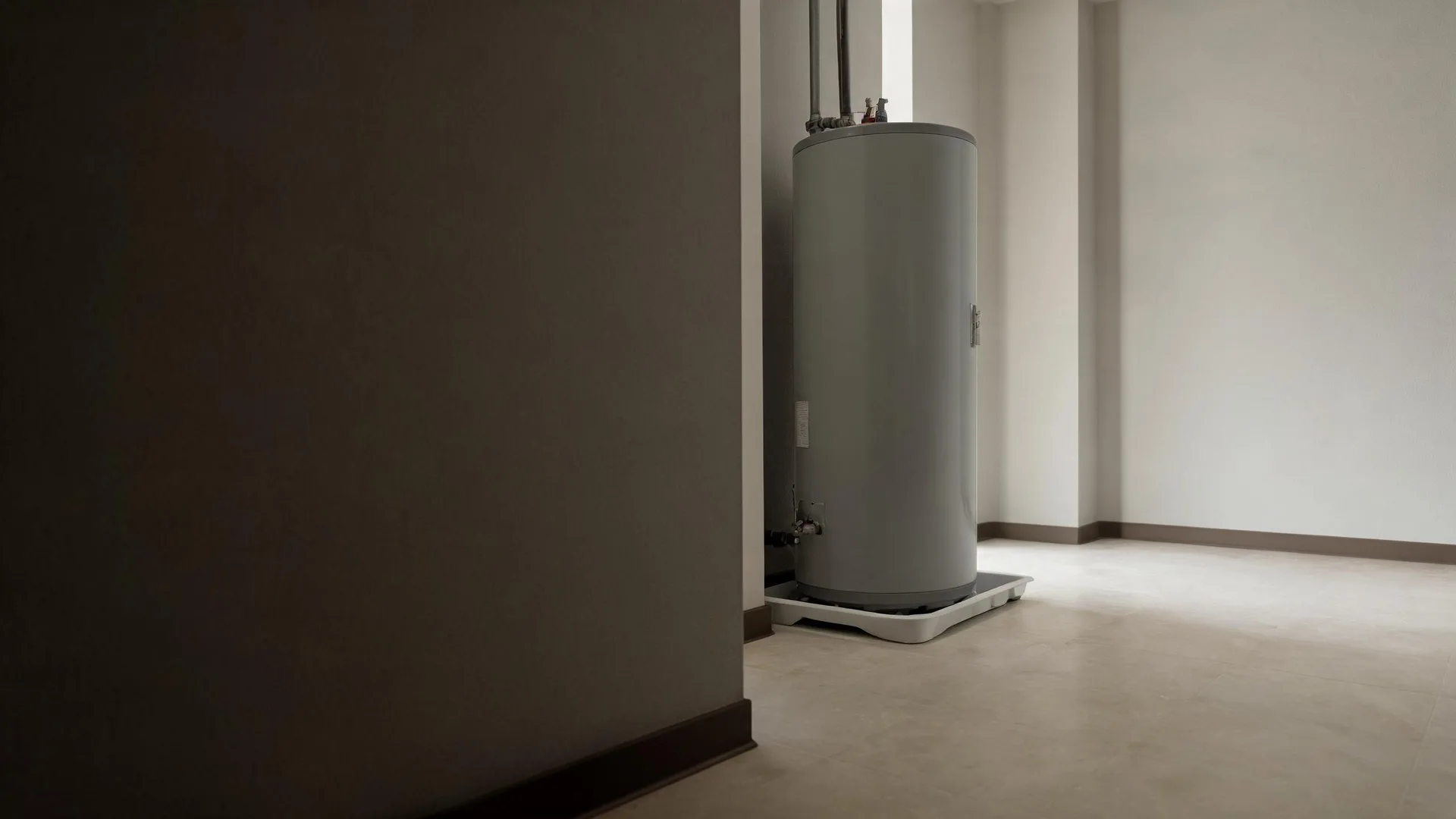
A contractor quoting a water heater replacement in Jefferson County has to settle the venting and combustion air questions before the equipment selection makes sense. Utility gas heats more occupied homes in Jefferson County, Montana than any other fuel, at 45.8% (2020-2024 ACS 5-year). With gas the dominant fuel here, the flue path, the draft conditions, and what the existing vent connector can handle shape the scope of the job as much as the unit itself does. A heater dropped in without that work done will underperform or back-draft, and neither shows up until the first cold morning the system runs hard.
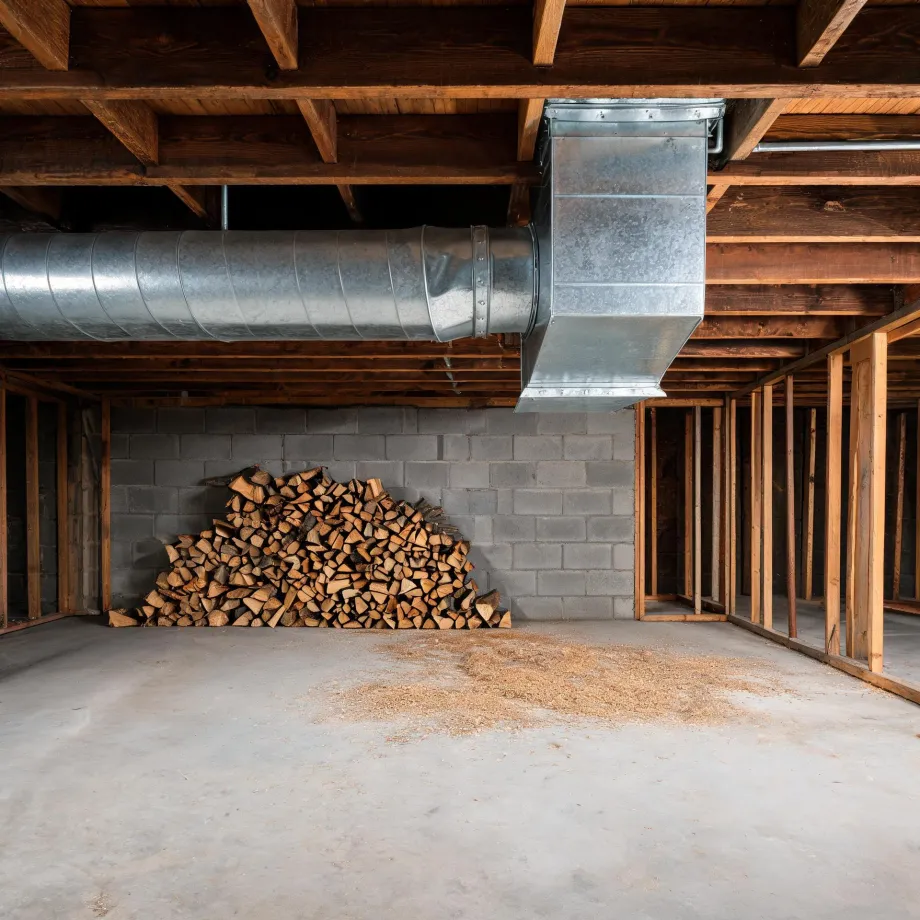
Ductwork and electrical service sized for equipment that is no longer in a house do not automatically fit what a contractor brings to replace it. Half the homes in Jefferson County, Montana were built in 1990 or earlier (2020-2024 ACS 5-year). That gap between what the house was built around and what runs in it now is where a water heater installation gets complicated. A contractor has to confirm that the existing infrastructure will carry the new unit before anything else on the job is priced or scheduled.
What a Water Heater Installation Puts in Your Home
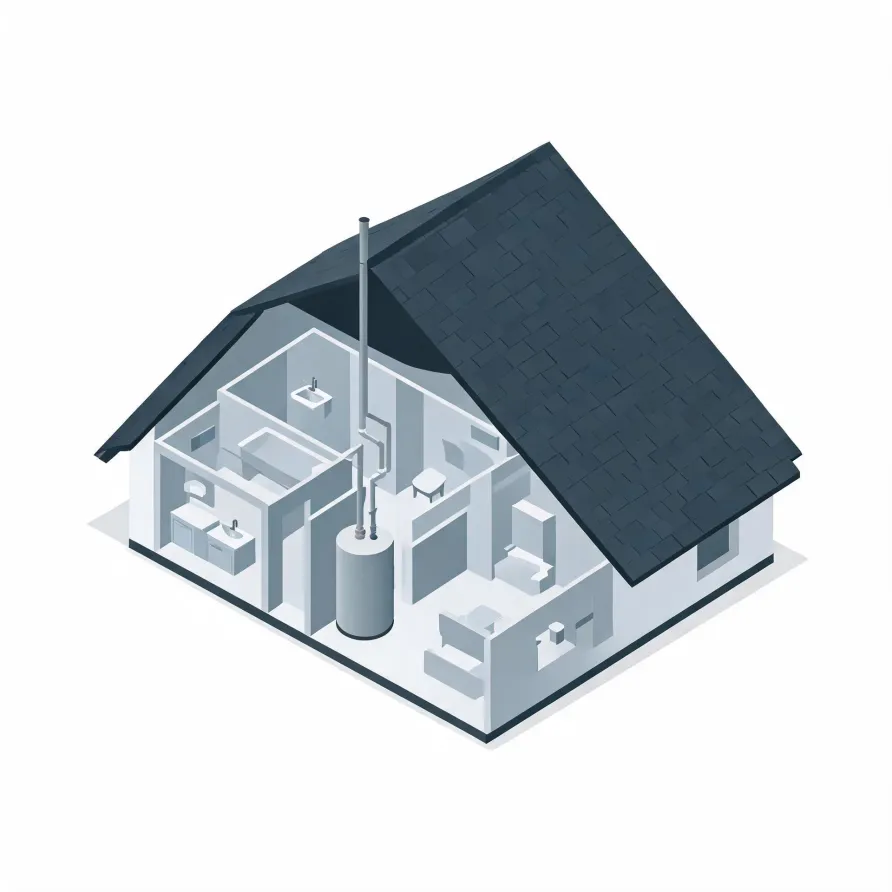
The tank is what most homeowners see first. It sits in a utility closet, basement, or garage and holds a ready supply of hot water for the house. A gas model has a burner assembly at its base and a flue that runs up through or out the side of the unit; an electric model carries heating elements inside the tank wall.
A cold-water inlet line feeds the tank from the home's supply, and a hot-water outlet line carries heated water to every fixture that calls for it. A temperature and pressure relief valve mounts on the side of the tank as a safety device, and a drain valve at the base allows a contractor to flush sediment or fully empty the unit when needed.
The drawing shows a general layout of these components, and a licensed contractor assesses which of them apply to your specific home and setup.
Find a contractor in Jefferson CountyJefferson County, MT, by the numbers
46 severe weather events were recorded in Jefferson County, Montana between 2015 and 2024.
NOAA National Centers for Environmental Information, Storm Events Database, bulk CSV export, events 2015-01-01 through 2024-12-31.Half the homes in Jefferson County, Montana were built in 1990 or earlier (2020-2024 ACS 5-year).
U.S. Census Bureau, 2020-2024 American Community Survey 5-Year EstimatesJefferson County, Montana holds 5,407 housing units (2020-2024 ACS 5-year).
U.S. Census Bureau, 2020-2024 American Community Survey 5-Year EstimatesOwners occupy 84.2% of the occupied homes in Jefferson County, Montana (2020-2024 ACS 5-year).
U.S. Census Bureau, 2020-2024 American Community Survey 5-Year EstimatesWeather Stress on Water Heaters in Jefferson County
Jefferson County's climate puts real pressure on water heaters year-round. A unit working harder against temperature extremes wears faster, and installation decisions that account for local conditions produce better results than ones that don't.
46 severe weather events, 2016–2024. Source: NOAA National Centers for Environmental Information, Storm Events Database.