Tell us about the job
Takes about a minute. No obligation.
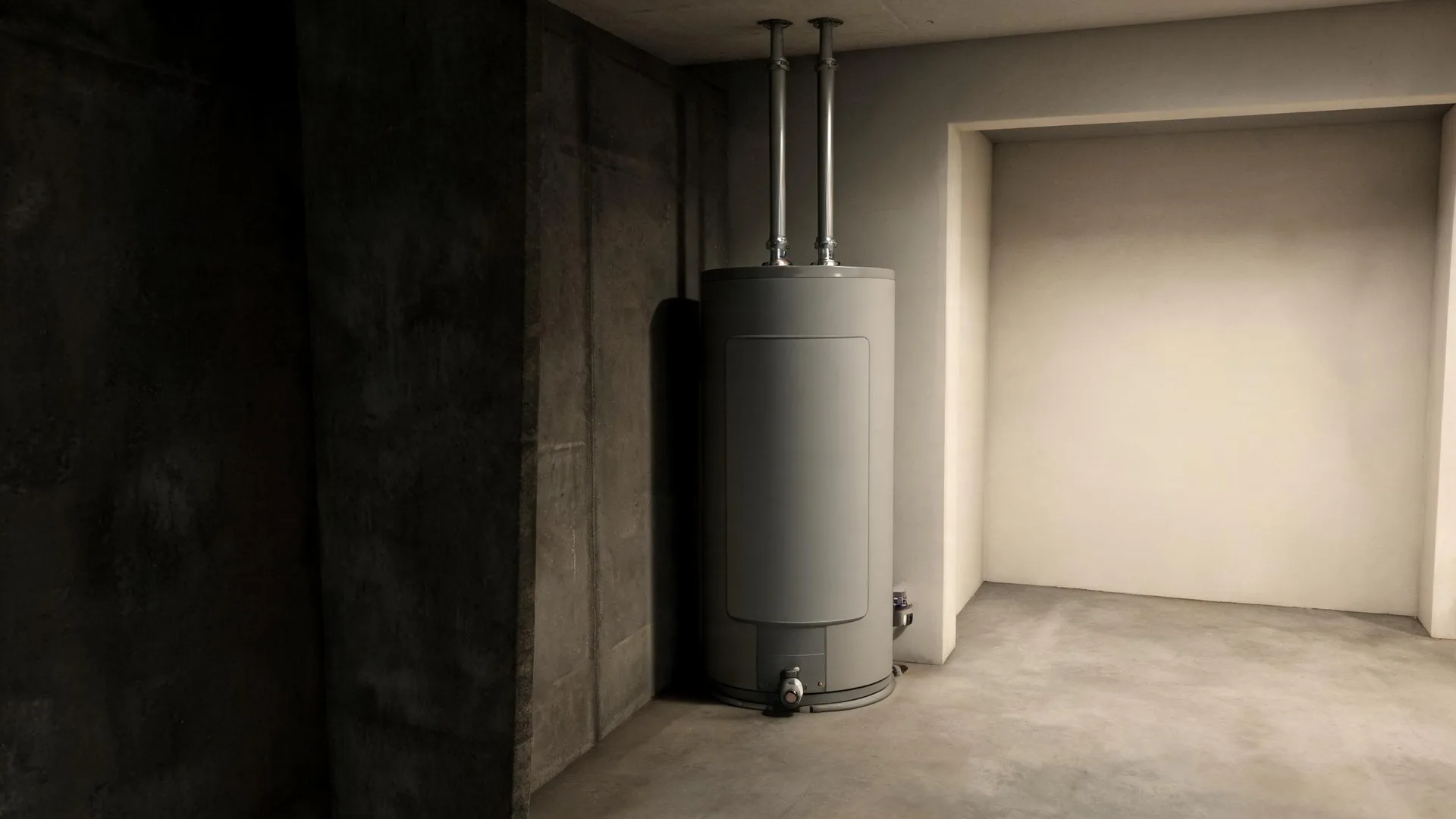
Gas water heaters account for the majority of the heating load in Wibaux County homes. Utility gas heats more occupied homes in Wibaux County, Montana than any other fuel, at 52.5% (2020-2024 ACS 5-year). That concentration means a contractor diagnosing a repair here sees the same failure points repeatedly: the burner assembly, the thermocouple, and the gas valve all cycle every time a household draws hot water, and in a county this reliant on one fuel type, those parts accumulate wear at a predictable rate. A contractor can often pinpoint the failing component before the unit is fully opened.
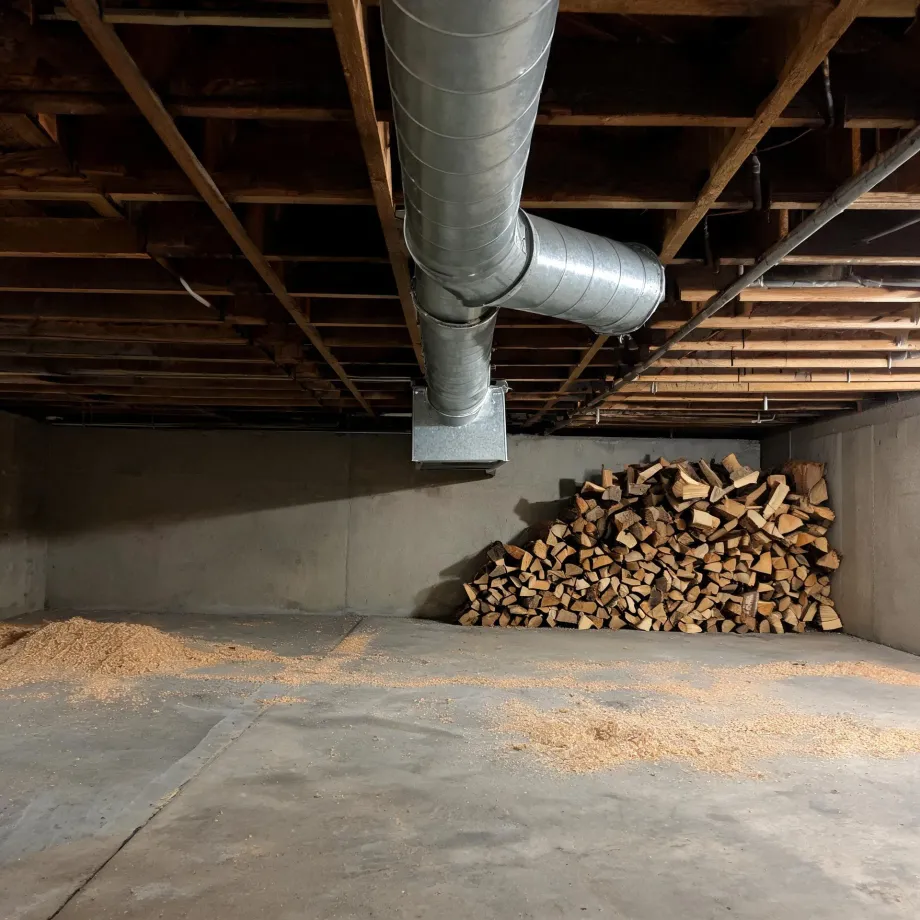
What a contractor finds once the water heater is open depends heavily on what surrounds it. Half the homes in Wibaux County, Montana were built in 1973 or earlier (2020-2024 ACS 5-year). Housing that old carries venting runs, supply lines, and sediment histories that differ from address to address, and no two jobs open the same way. A contractor has to assess the condition of the flue, the state of the inlet and outlet connections, and what the lines feeding the unit actually look like before the repair scope is clear. The unit is only part of what gets priced.
The Parts of a Water Heater a Contractor Checks First
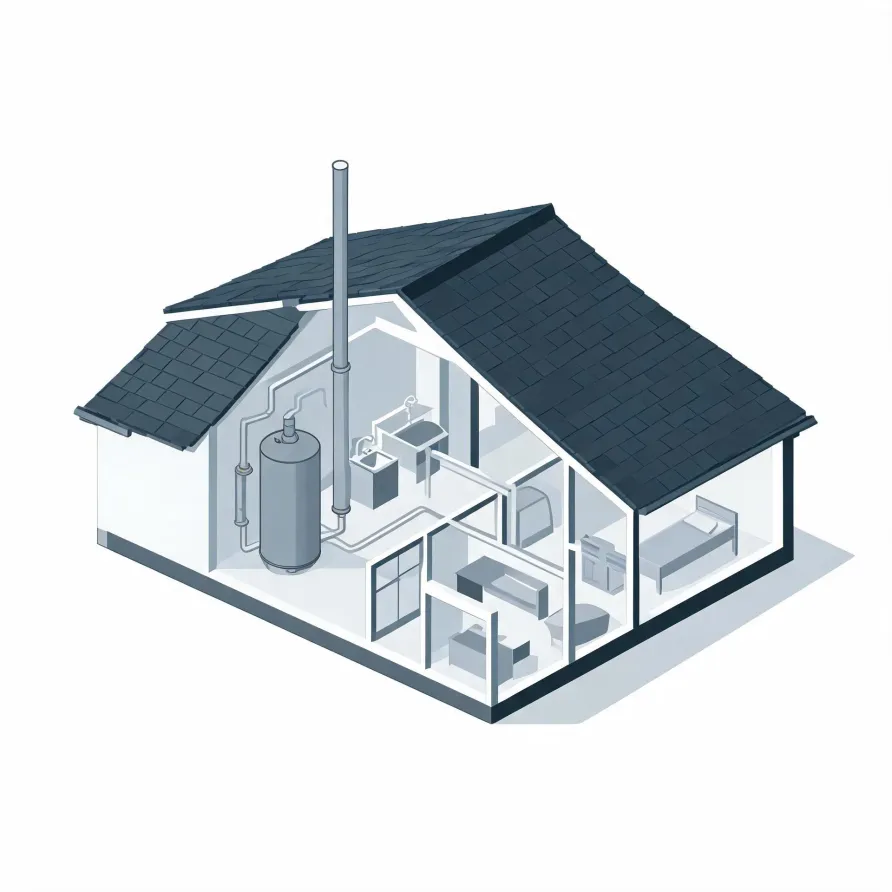
The tank is the centerpiece of the system, usually standing in a utility room, basement, or garage closet. It stores a supply of water and holds the heating element or burner assembly that raises the temperature. When a repair call comes in, the tank itself, the burner or element, and the thermostat are the first places a contractor looks.
The pressure relief valve sits on the side or top of the tank and releases if pressure inside climbs too high. The anode rod hangs inside the tank and slows corrosion of the metal walls. Cold water enters through an inlet dip tube that runs down into the tank, and hot water exits through a separate outlet at the top.
The drawing shows the general layout of a water heater system, and a licensed contractor determines which components and conditions apply to your specific house.
Find a contractor in Wibaux CountyWibaux County, by the numbers
88 severe weather events were recorded in Wibaux County, Montana between 2015 and 2024.
NOAA National Centers for Environmental Information, Storm Events Database, bulk CSV export, events 2015-01-01 through 2024-12-31.Half the homes in Wibaux County, Montana were built in 1973 or earlier (2020-2024 ACS 5-year).
U.S. Census Bureau, 2020-2024 American Community Survey 5-Year EstimatesWibaux County, Montana holds 595 housing units (2020-2024 ACS 5-year).
U.S. Census Bureau, 2020-2024 American Community Survey 5-Year EstimatesOwners occupy 72.5% of the occupied homes in Wibaux County, Montana (2020-2024 ACS 5-year).
U.S. Census Bureau, 2020-2024 American Community Survey 5-Year EstimatesSevere Weather Events in Wibaux County
Extreme weather puts real strain on water heating equipment, forcing it to work harder and wear faster. How much of that pressure a system faces depends on where it sits, which makes local weather history a practical part of understanding repair demand in Wibaux County.
88 severe weather events, 2015–2024. Source: NOAA National Centers for Environmental Information, Storm Events Database.