Tell us about the job
Takes about a minute. No obligation.
Gas water heater installation in Park County starts with what the existing flue and combustion air arrangement can support. Utility gas heats more occupied homes in Park County, Montana than any other fuel, at 44.1% (2020-2024 ACS 5-year). That dominance means most homes already have a gas venting path in place, but a contractor checks its condition, diameter, and draft characteristics before settling on a replacement unit. A power-vent model and a natural-draft model do not share the same requirements, and putting the wrong one on an existing flue creates a carbon monoxide problem, not just an efficiency one. The combustion air supply gets the same check.
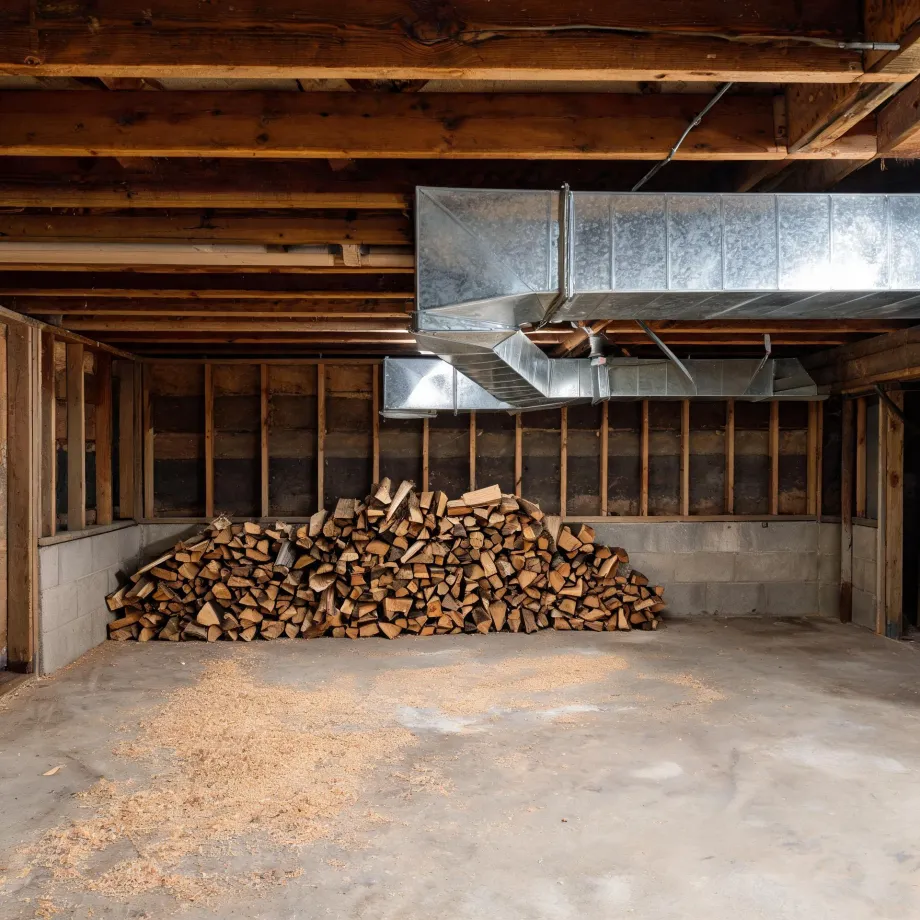
Ductwork and electrical panels get sized for the equipment a house was built around, and in Park County that equipment is long gone. Half the homes in Park County, Montana were built in 1980 or earlier (2020-2024 ACS 5-year). A water heater installation in stock like this often runs into a service panel that was not wired for the draw a modern unit requires, and a licensed contractor will check the panel capacity before the new unit is ever ordered. The water heater itself is straightforward to spec. What takes work is the electrical path to it.
What Gets Installed With a New Water Heater
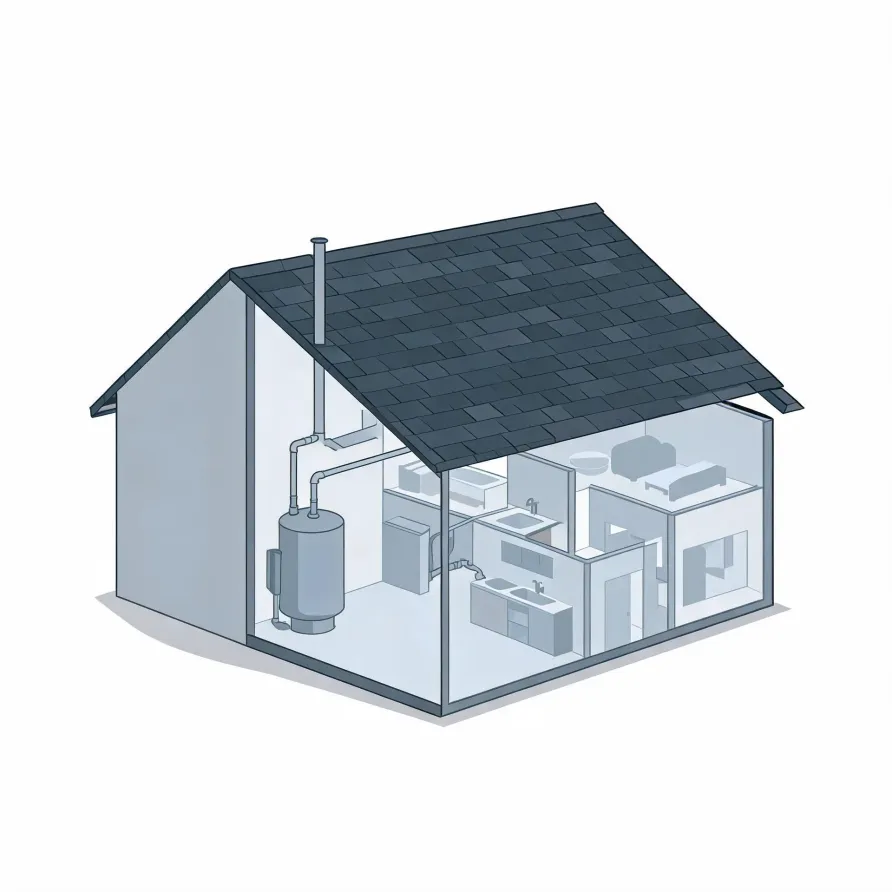
The tank is the piece a homeowner sees first, typically standing in a utility room, basement, or garage. It holds and heats a supply of water, keeping it ready at a set temperature. The pressure relief valve mounts directly on the tank as a safety device that releases if pressure inside climbs too high.
Cold water enters the tank through a dip tube that runs down to the bottom, and hot water exits from a separate outlet at the top. The drain valve sits near the base of the tank, and the anode rod hangs inside to slow corrosion of the tank walls. A contractor also connects the supply lines that tie the unit into the home's existing plumbing.
The drawing shows the general layout of a water heater system, and a licensed contractor determines exactly what applies to this house.
Find a contractor in Park CountyPark County, by the numbers
310 severe weather events were recorded in Park County, Montana between 2015 and 2024.
NOAA National Centers for Environmental Information, Storm Events Database, bulk CSV export, events 2015-01-01 through 2024-12-31.Half the homes in Park County, Montana were built in 1980 or earlier (2020-2024 ACS 5-year).
U.S. Census Bureau, 2020-2024 American Community Survey 5-Year EstimatesPark County, Montana holds 9,635 housing units (2020-2024 ACS 5-year).
U.S. Census Bureau, 2020-2024 American Community Survey 5-Year EstimatesOwners occupy 69.4% of the occupied homes in Park County, Montana (2020-2024 ACS 5-year).
U.S. Census Bureau, 2020-2024 American Community Survey 5-Year EstimatesSevere Weather History in Park County
Park County's climate puts real stress on water heating equipment over time. How hard that equipment works, and how long it holds up, is shaped by the conditions it runs in.
310 severe weather events, 2015–2024. Source: NOAA National Centers for Environmental Information, Storm Events Database.