Tell us about the job
Takes about a minute. No obligation.
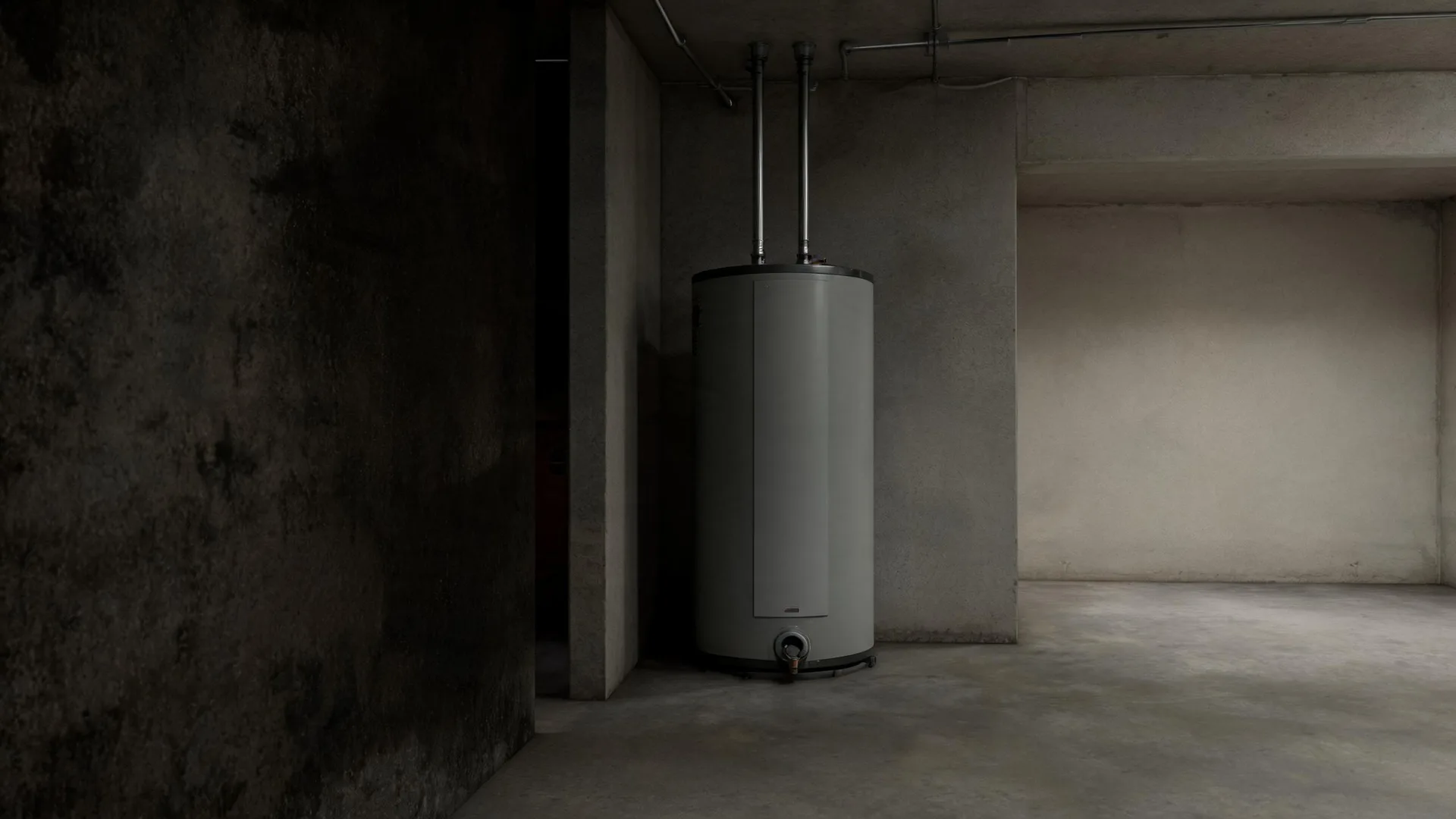
Gas water heaters in Valley County run year-round, and the burner, thermocouple, and ignition system take the wear that accumulates from that constant cycling. Utility gas heats more occupied homes in Valley County, Montana than any other fuel, at 59.9% (2020-2024 ACS 5-year). A contractor diagnosing a failed or underperforming unit here checks the burner orifice for fouling, tests the thermocouple output, and inspects the flue for proper draft, because those are the parts that fail on gas equipment. Venting matters too: a blocked or corroded flue can trip a thermal cutoff and mimic a control board fault, sending a repair in the wrong direction.
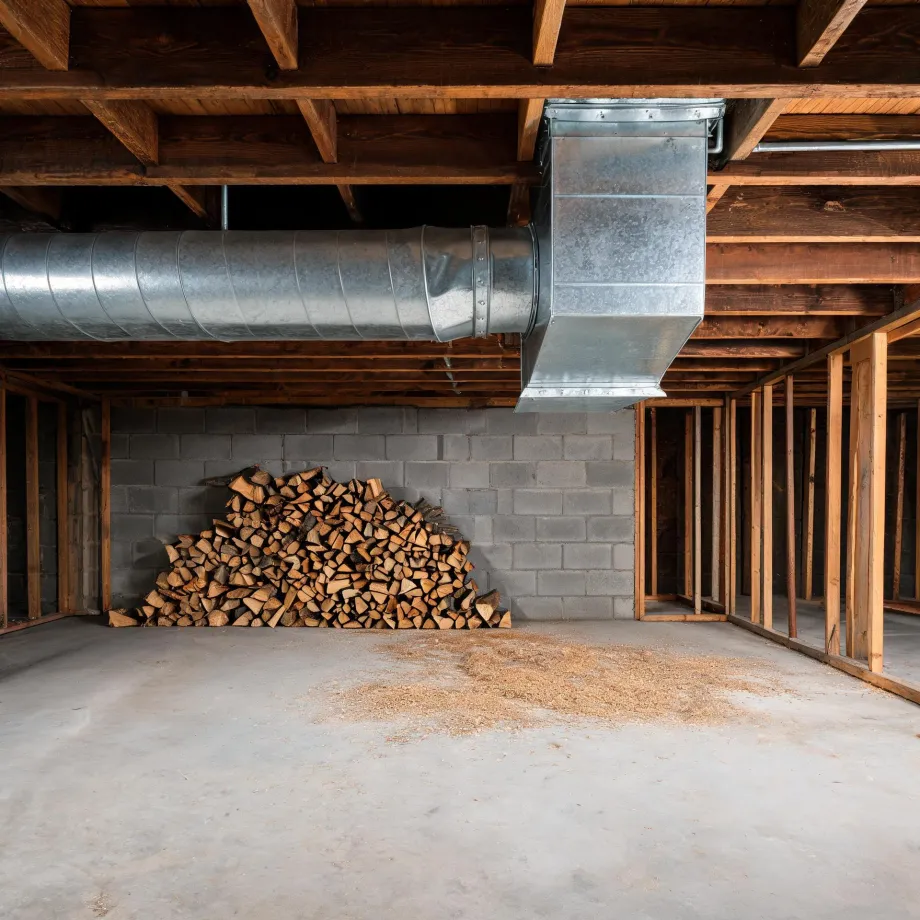
A water heater that needs repair in a house this old has often been through at least one previous unit already. Half the homes in Valley County, Montana were built in 1966 or earlier (2020-2024 ACS 5-year). That matters because what a contractor finds once the tank or the connections are open reflects what the plumbing and the surrounding structure have been through, not just what the current unit has. Sediment loads, corroded fittings, and degraded anode rods are common findings in stock like this, and each one changes what the repair actually involves.
The Parts of a Water Heater a Contractor Checks First
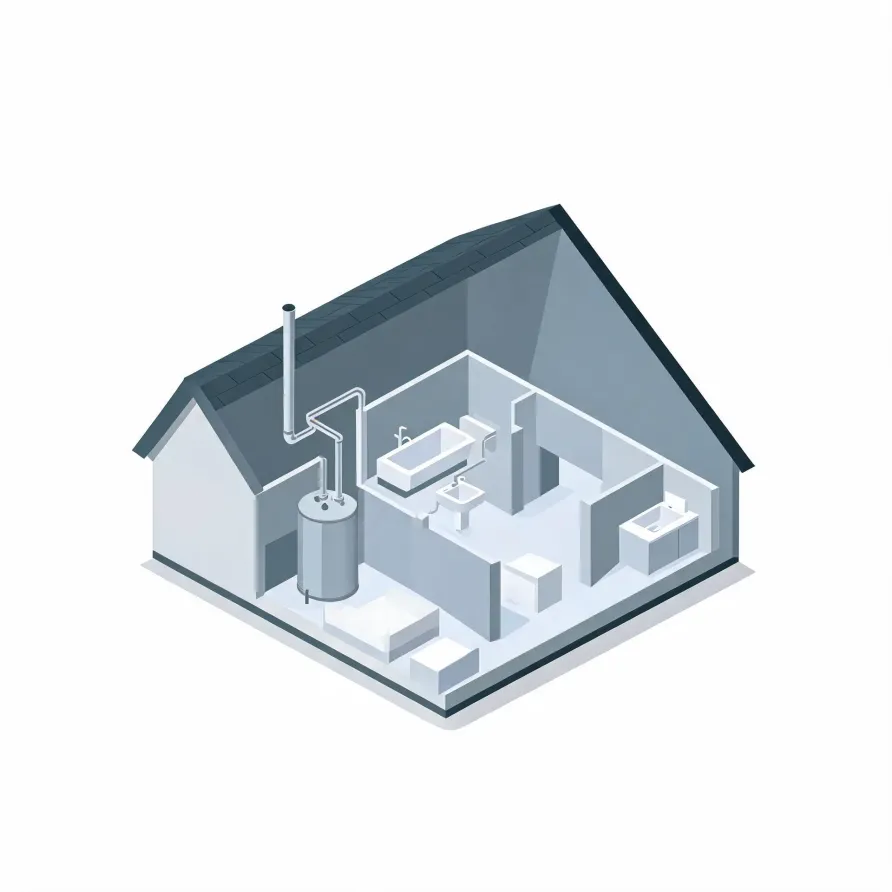
The tank is what most homeowners picture: a large insulated cylinder, usually standing in a utility room, basement, or garage, that holds and heats a supply of water. Inside it, a burner assembly or heating element does the actual heating, and when either one fails the water runs cold or never gets fully hot.
The pressure relief valve sits on the side of the tank and opens if pressure or temperature climbs too high. A contractor also looks at the anode rod inside the tank, the inlet and outlet connections at the top, the thermostat, and the flue or venting path that carries exhaust gases out of the house.
The drawing shows a general layout of these components, and a licensed contractor determines what applies to the specific unit and setup in your home.
Find a contractor in Valley CountyValley County, Montana, by the numbers
387 severe weather events were recorded in Valley County, Montana between 2015 and 2024.
NOAA National Centers for Environmental Information, Storm Events Database, bulk CSV export, events 2015-01-01 through 2024-12-31.Half the homes in Valley County, Montana were built in 1966 or earlier (2020-2024 ACS 5-year).
U.S. Census Bureau, 2020-2024 American Community Survey 5-Year EstimatesValley County, Montana holds 4,254 housing units (2020-2024 ACS 5-year).
U.S. Census Bureau, 2020-2024 American Community Survey 5-Year EstimatesOwners occupy 78.5% of the occupied homes in Valley County, Montana (2020-2024 ACS 5-year).
U.S. Census Bureau, 2020-2024 American Community Survey 5-Year EstimatesSevere Weather Events in Valley County
Montana weather puts real stress on water heaters: temperature swings, hard freezes, and storm conditions force equipment to work harder and fail sooner. How often that pressure hits Valley County shapes what local repair work actually looks like.
387 severe weather events, 2015–2024. Source: NOAA National Centers for Environmental Information, Storm Events Database.