Tell us about the job
Takes about a minute. No obligation.
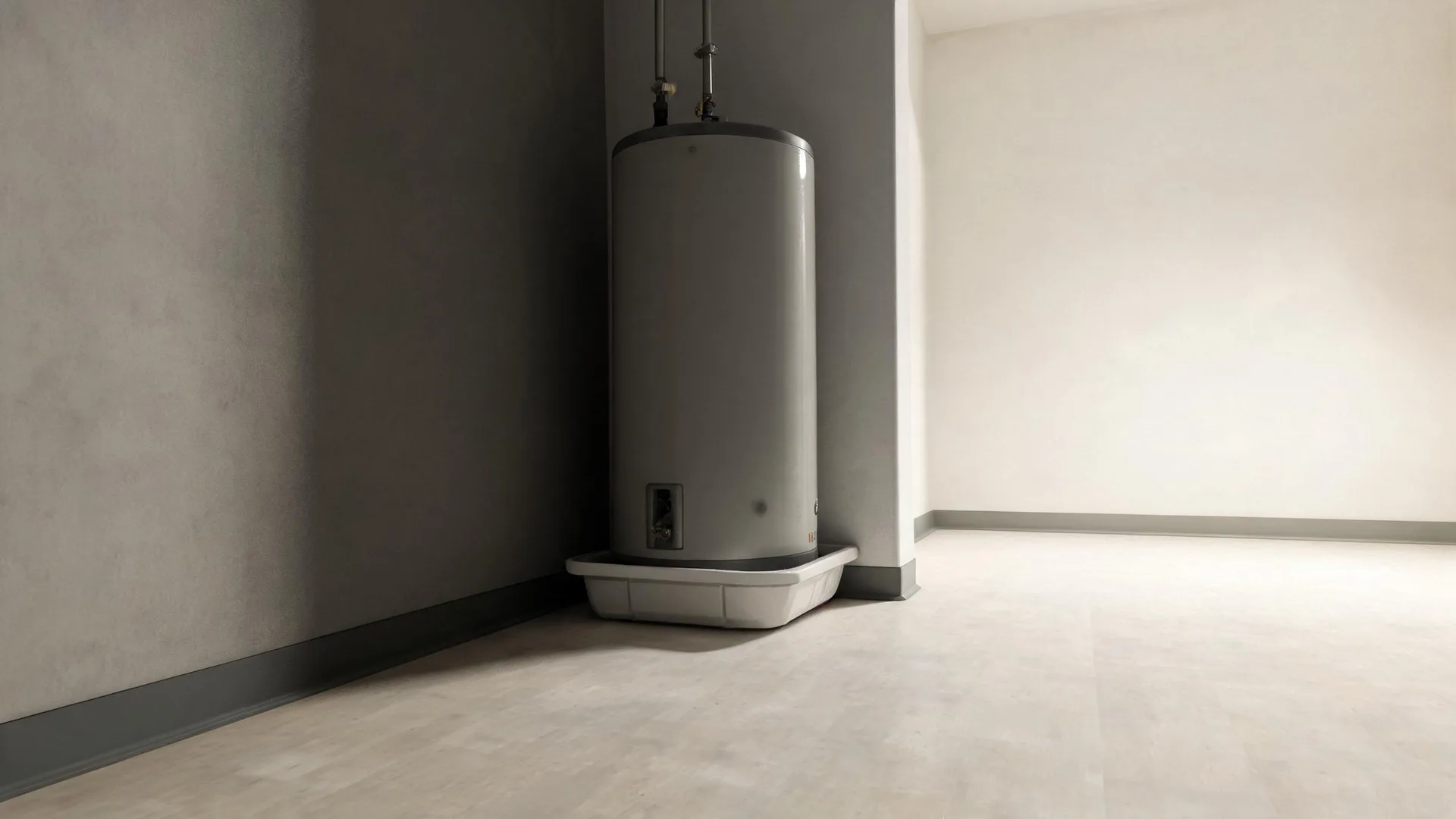
Gas water heater installation in Gallatin County starts with the fuel supply, not the appliance. Utility gas heats more occupied homes in Gallatin County, Montana than any other fuel, at 55.2% (2020-2024 ACS 5-year). That majority shapes what a replacement is allowed to be: venting type, combustion air path, and gas line sizing are all decided by the fuel before the contractor ever selects a unit. A water heater that ships with a generic spec sheet still has to be matched to the actual flue arrangement and air draw in that specific home. The contractor confirms those conditions on site, and a quote that skips that step is incomplete.
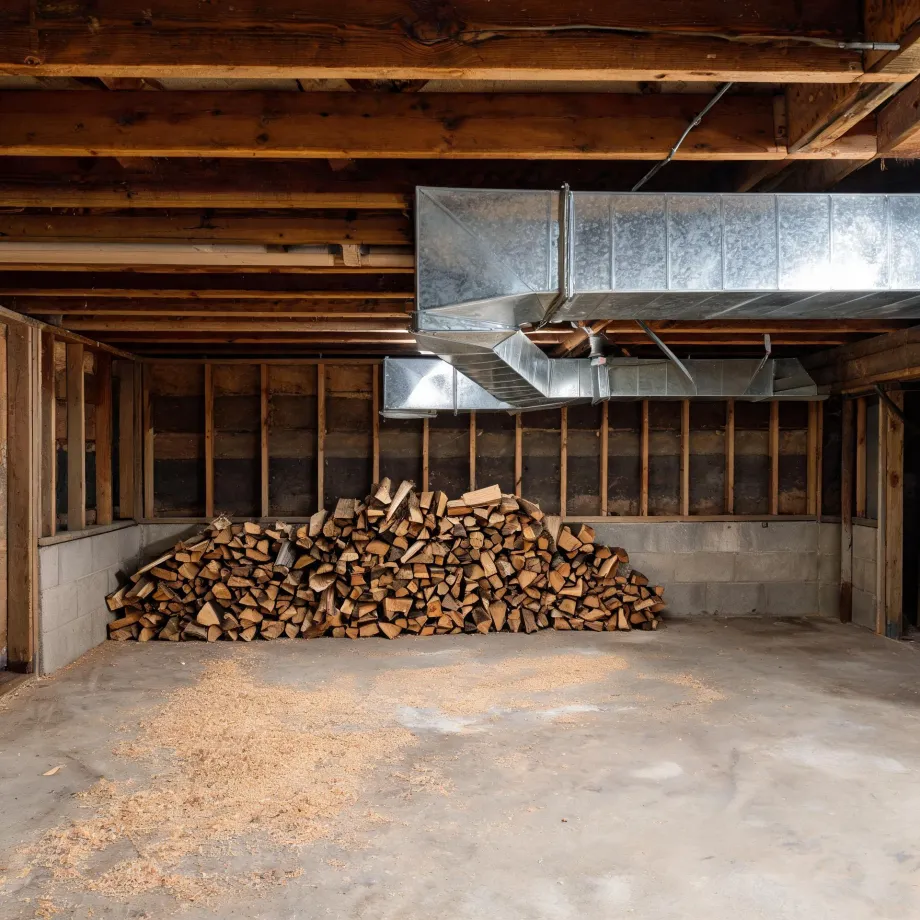
Electrical service is what decides whether a water heater installation goes straightforwardly or opens a second conversation about the panel. Half the homes in Gallatin County, Montana were built in 1998 or earlier (2020-2024 ACS 5-year). A house wired for equipment of that era was built to carry a specific load, and a new water heater, particularly a heat pump unit, draws more than many of those panels were sized to deliver. A contractor quoting the job will price the panel before pricing the water heater, because that is where the real variable sits.
What a Water Heater Installation Covers
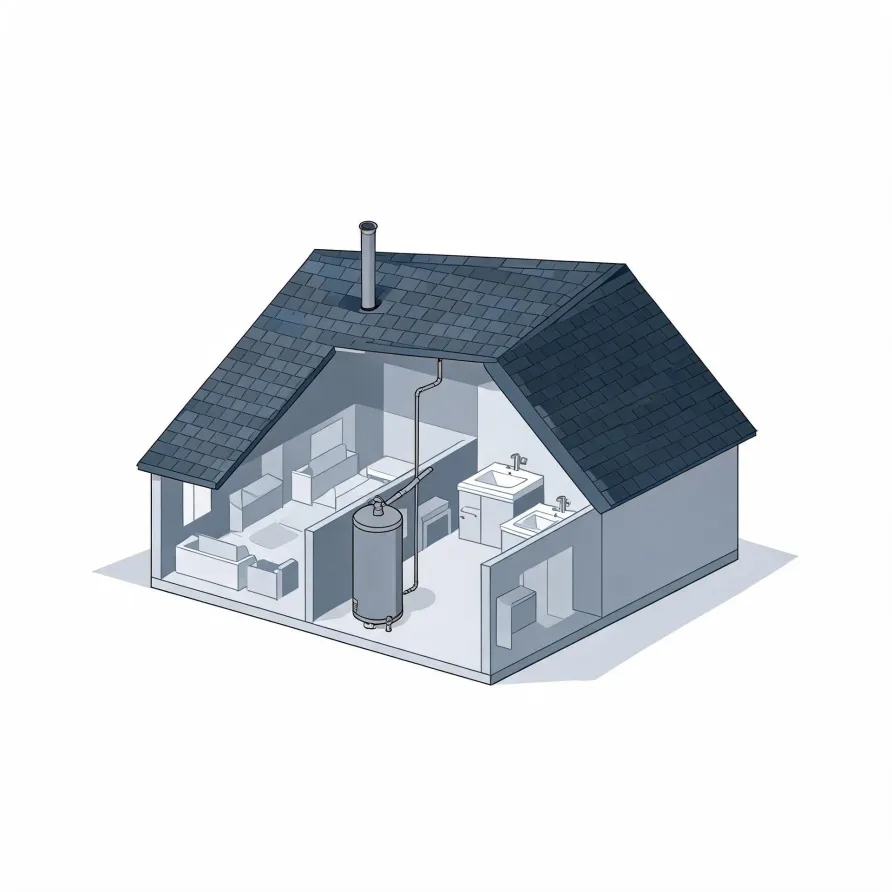
The tank or tankless unit is the centerpiece of the system and sits in a utility room, basement, or closet. It holds and heats the water your household draws from every tap and fixture. The pressure relief valve mounts directly on the unit and releases pressure if it climbs beyond a safe level.
The supply and discharge lines connect the unit to your home's cold water inlet and hot water outlets, running through walls or along exposed framing to reach each fixture. An expansion tank sometimes sits near the unit to absorb pressure fluctuations in a closed plumbing system. A drain pan sits beneath the unit to catch any water that escapes the tank or fittings.
The drawing shows a general layout of these components, and a licensed contractor determines exactly what applies to your house.
Find a contractor in Gallatin CountyGallatin County, by the numbers
229 severe weather events were recorded in Gallatin County, Montana between 2015 and 2024.
NOAA National Centers for Environmental Information, Storm Events Database, bulk CSV export, events 2015-01-01 through 2024-12-31.Half the homes in Gallatin County, Montana were built in 1998 or earlier (2020-2024 ACS 5-year).
U.S. Census Bureau, 2020-2024 American Community Survey 5-Year EstimatesGallatin County, Montana holds 57,568 housing units (2020-2024 ACS 5-year).
U.S. Census Bureau, 2020-2024 American Community Survey 5-Year EstimatesOwners occupy 61.1% of the occupied homes in Gallatin County, Montana (2020-2024 ACS 5-year).
U.S. Census Bureau, 2020-2024 American Community Survey 5-Year EstimatesSevere Weather Events in Gallatin County
Gallatin County's climate puts real demands on water heating equipment, and those demands shift with local conditions. How hard a water heater works year to year is a local question, and the weather record is part of that answer.
229 severe weather events, 2015–2024. Source: NOAA National Centers for Environmental Information, Storm Events Database.