Tell us about the job
Takes about a minute. No obligation.
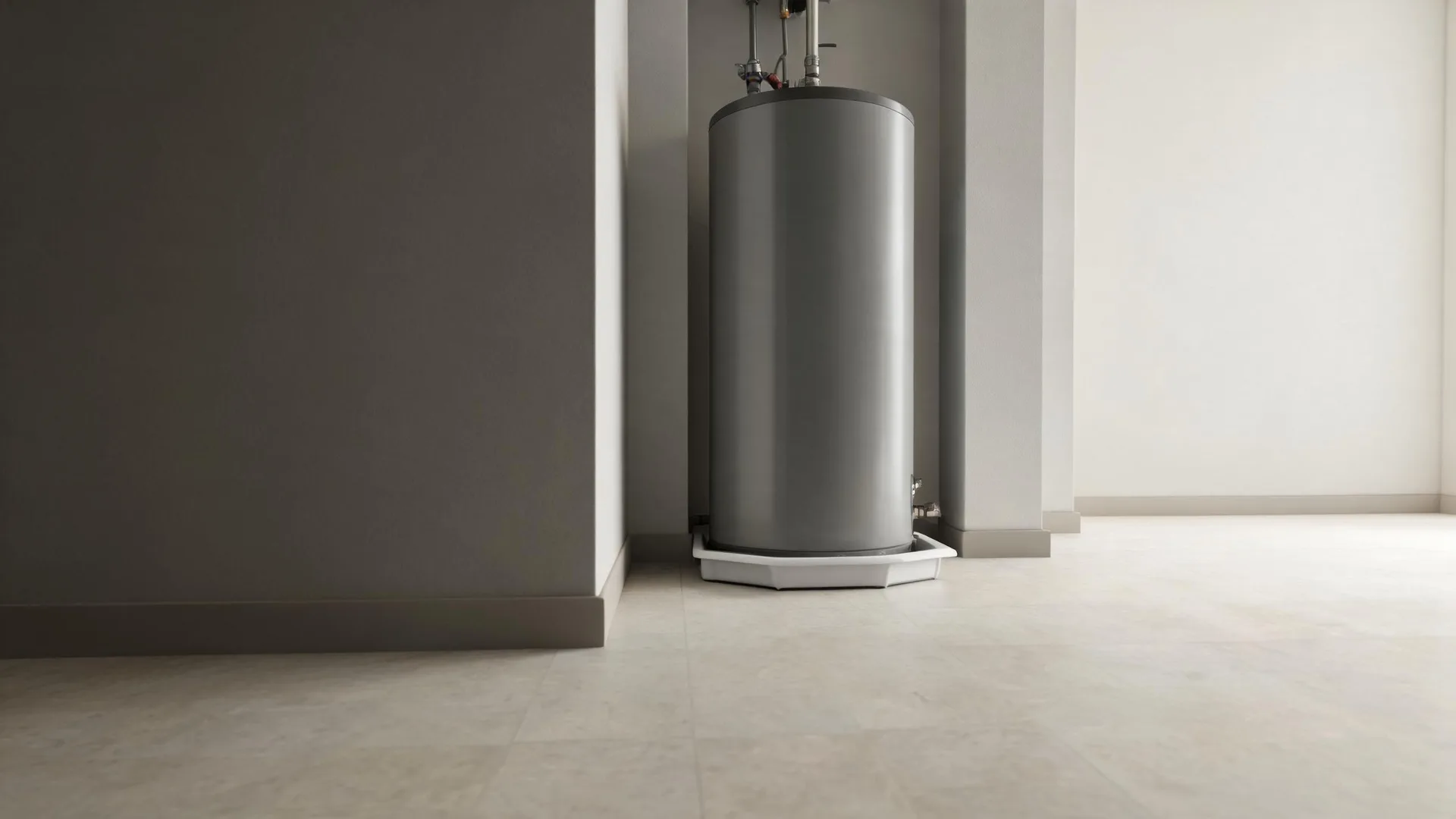
A gas water heater replacement in this county starts with what the home already has: the flue, the combustion air supply, and the gas line serving the unit. Utility gas heats more occupied homes in Glacier County, Montana than any other fuel, at 42.9% (2020-2024 ACS 5-year). That majority means most contractors here work gas installs regularly, and the venting decisions are not generic. A flue sized wrong for the new unit's BTU draw will backdraft, and a combustion air opening that was adequate for the old unit may fall short for a higher-efficiency replacement. The contractor has to verify each of those before the new unit goes in.
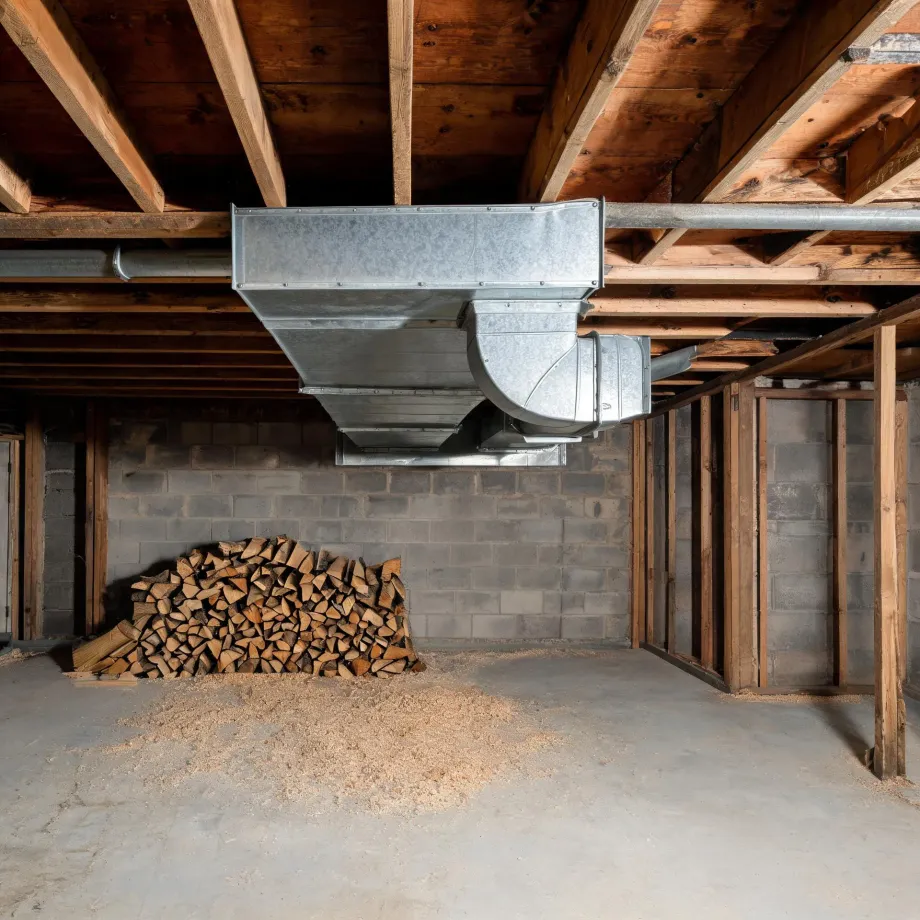
Ductwork routed for an older heating system and service panels wired before modern water heater loads became standard are what a contractor prices around in much of this county. Half the homes in Glacier County, Montana were built in 1974 or earlier (2020-2024 ACS 5-year). That means the panel feeding the water heater location warrants a hard look before any unit is selected, because a box that fits the space and meets the efficiency target still cannot run if the service feeding it falls short. The unit is often the straightforward part of the quote.
What a Water Heater Installation Puts in Your Home
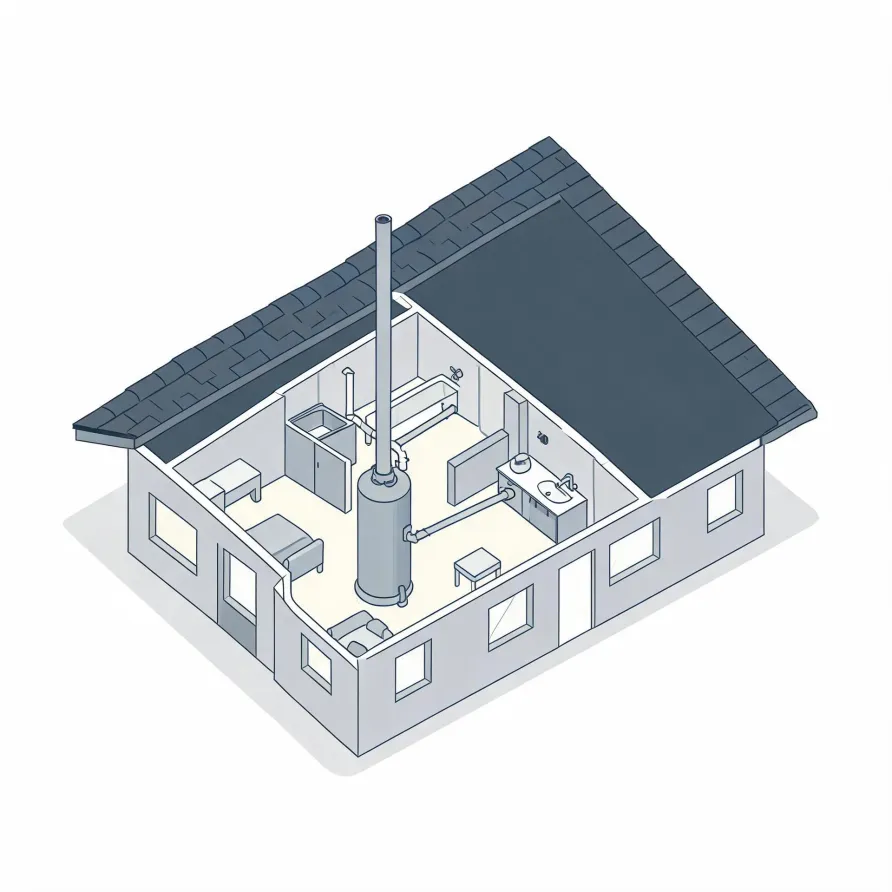
The tank is the piece most homeowners already recognize. It sits in a utility room, basement, or garage and holds a ready supply of hot water for the whole house. A pressure relief valve mounts directly on the tank and releases pressure if it climbs beyond a safe level.
Cold water enters through an inlet pipe at the top of the tank, and a dip tube carries it down to the bottom where the burner or heating element does its work. A flue or exhaust vent runs from the top of a gas unit up and out of the structure, while an electric unit connects instead to a dedicated circuit at the panel.
The drawing shows a typical layout, and a licensed contractor determines what applies to your specific home.
Find a contractor in Glacier CountyGlacier County, by the numbers
250 severe weather events were recorded in Glacier County, Montana between 2015 and 2024.
NOAA National Centers for Environmental Information, Storm Events Database, bulk CSV export, events 2015-01-01 through 2024-12-31.Half the homes in Glacier County, Montana were built in 1974 or earlier (2020-2024 ACS 5-year).
U.S. Census Bureau, 2020-2024 American Community Survey 5-Year EstimatesGlacier County, Montana holds 5,350 housing units (2020-2024 ACS 5-year).
U.S. Census Bureau, 2020-2024 American Community Survey 5-Year EstimatesOwners occupy 63.7% of the occupied homes in Glacier County, Montana (2020-2024 ACS 5-year).
U.S. Census Bureau, 2020-2024 American Community Survey 5-Year EstimatesSevere Weather Events in Glacier County
Glacier County's climate puts real stress on water heating equipment, and that stress compounds over time. How hard a system has to work is a local fact, and the weather record below is part of that picture.
250 severe weather events, 2016–2024. Source: NOAA National Centers for Environmental Information, Storm Events Database.