Tell us about the job
Takes about a minute. No obligation.
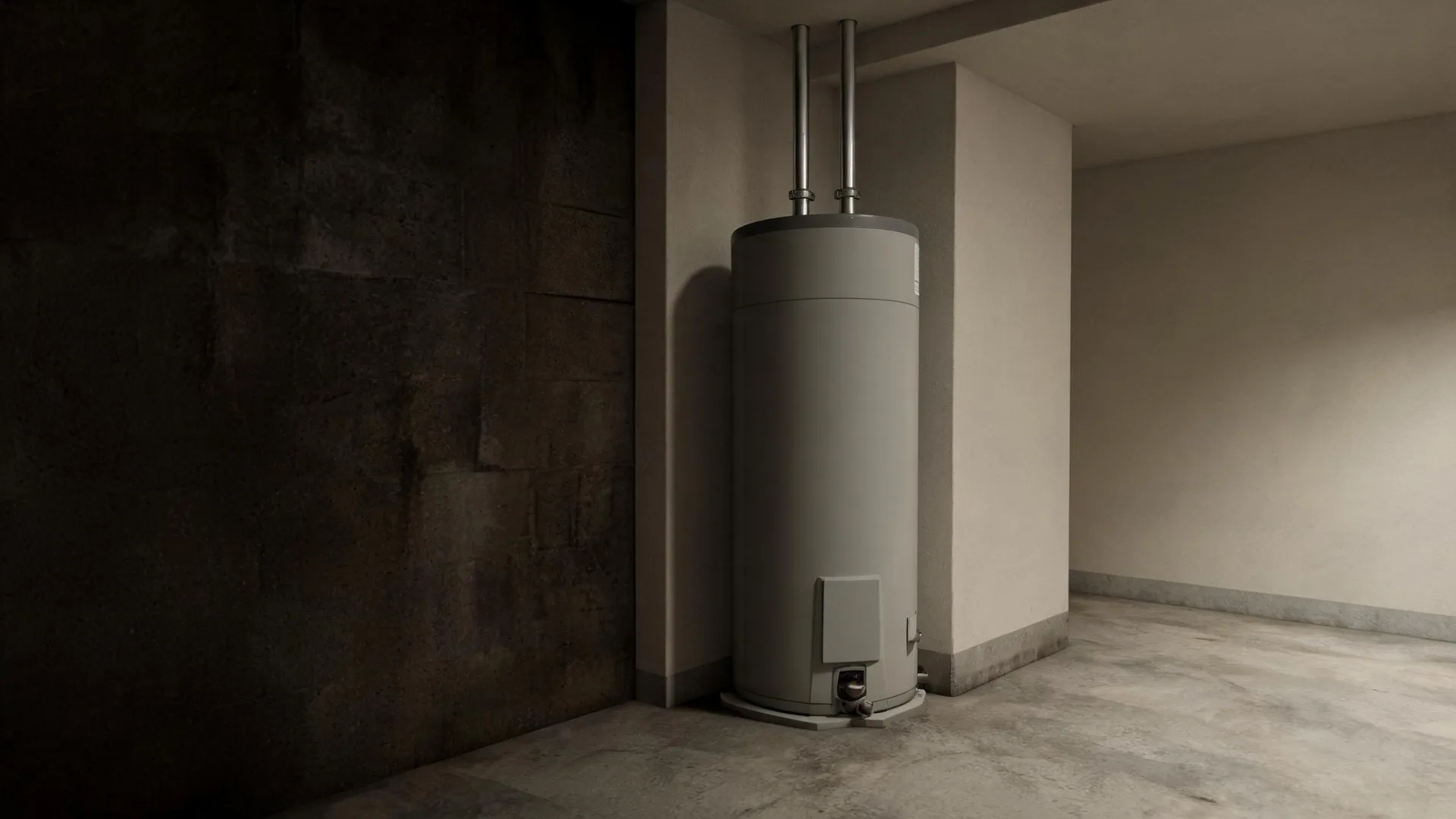
Gas water heater installation in Missoula County starts with the fuel supply, not the unit itself. Utility gas heats more occupied homes in Missoula County, Montana than any other fuel, at 52.5% (2020-2024 ACS 5-year). That majority shapes what a contractor has to verify before the new heater goes in: the condition of the existing flue, whether the venting type matches what the replacement requires, and whether the space provides adequate combustion air. A power-vent unit draws differently than a natural-draft one, and swapping them without adjusting the venting is where installs go wrong. The equipment a contractor selects depends on what the home's existing gas infrastructure will actually support.
Older electrical panels were sized for loads that looked nothing like what modern water heaters draw, and much of Missoula County's housing was wired in exactly that era. Half the homes in Missoula County, Montana were built in 1985 or earlier (2020-2024 ACS 5-year). A contractor quoting a water heater installation here looks at the service panel early, not as a formality but because undersized service means additional electrical work before the unit can run safely. Ductwork is not the variable on a water heater job, but the electrical is, and in stock this age it often sets the schedule and the price.
What a Water Heater Installation Puts in Your Home
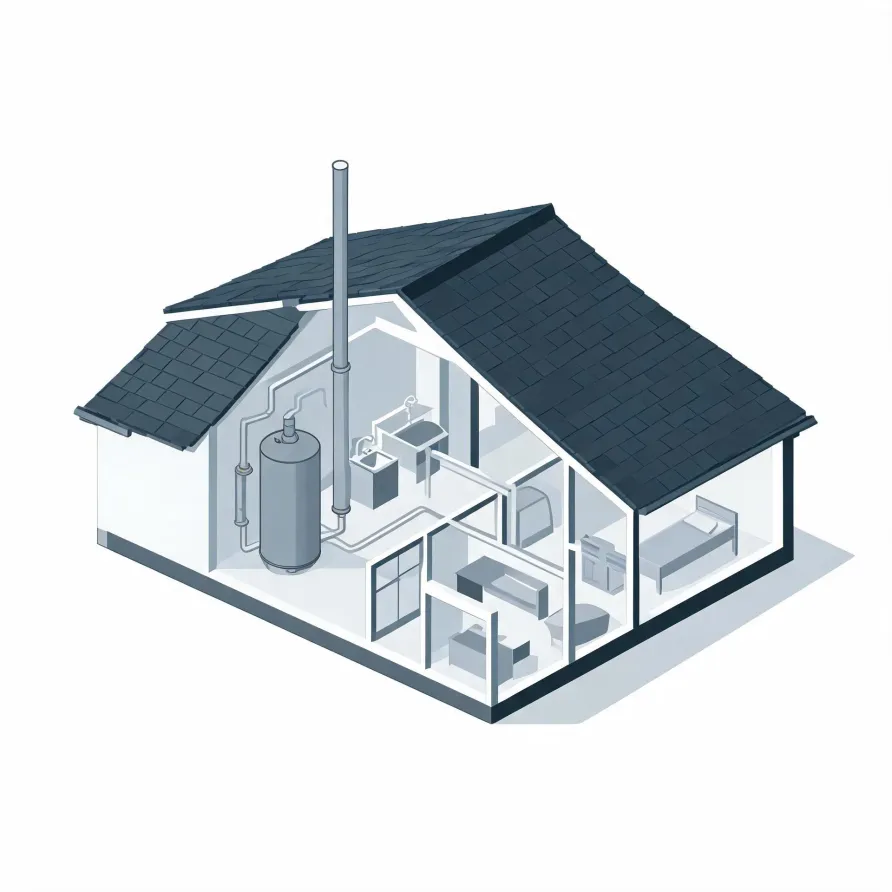
The tank is the piece a homeowner notices first. It sits in a utility room, basement, or garage and holds a reservoir of water that stays heated and ready at the tap. The cold supply line enters at the bottom, and the hot outlet at the top carries water to every fixture in the house.
The pressure relief valve mounts on the side of the tank and releases if pressure inside climbs too high. A dedicated supply line brings cold water in, and a discharge pipe carries overflow safely away. The anode rod hangs inside the tank, slowing corrosion from within.
The drawing shows a typical layout, and a licensed contractor determines exactly what applies to your house.
Find a contractor in Missoula CountyMissoula County by the numbers
254 severe weather events were recorded in Missoula County, Montana between 2015 and 2024.
NOAA National Centers for Environmental Information, Storm Events Database, bulk CSV export, events 2015-01-01 through 2024-12-31.Half the homes in Missoula County, Montana were built in 1985 or earlier (2020-2024 ACS 5-year).
U.S. Census Bureau, 2020-2024 American Community Survey 5-Year EstimatesMissoula County, Montana holds 56,930 housing units (2020-2024 ACS 5-year).
U.S. Census Bureau, 2020-2024 American Community Survey 5-Year EstimatesOwners occupy 58.8% of the occupied homes in Missoula County, Montana (2020-2024 ACS 5-year).
U.S. Census Bureau, 2020-2024 American Community Survey 5-Year EstimatesSevere Weather Events in Missoula County
Missoula County's weather puts real load on water heating equipment, and local conditions shape how hard a system has to work year after year. That workload is a sizing and installation question a contractor here has to account for.
254 severe weather events, 2015–2024. Source: NOAA National Centers for Environmental Information, Storm Events Database.