Tell us about the job
Takes about a minute. No obligation.
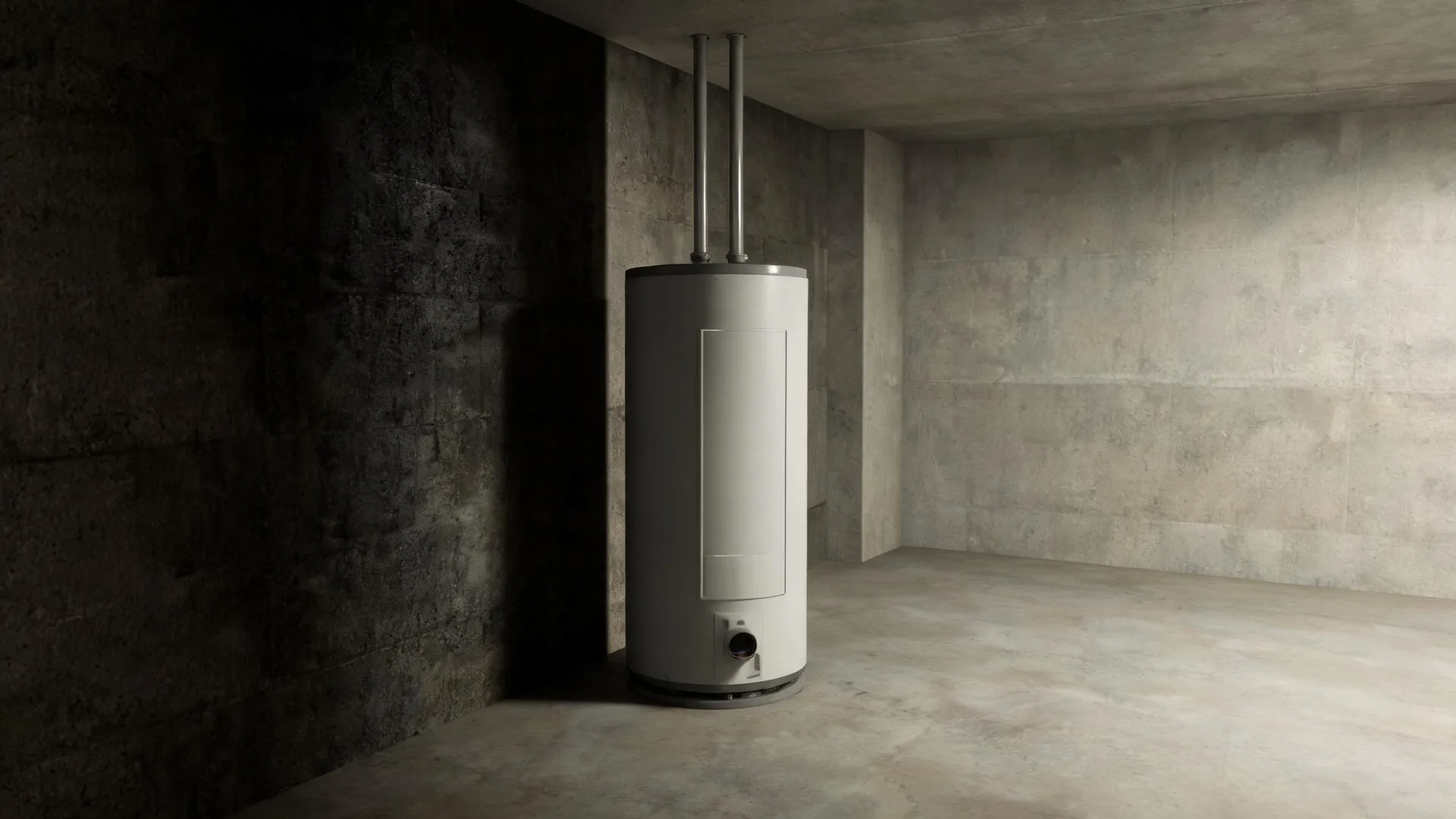
Gas-fired water heaters in this county run every day of the year, and the burner, ignition, and flue components accumulate wear that shows up as inconsistent heating, delayed ignition, or a pilot that will not hold. Utility gas heats more occupied homes in Hill County, Montana than any other fuel, at 66.3% (2020-2024 ACS 5-year). A contractor diagnosing a repair here checks the combustion side first: burner orifices, thermocouple condition, and draft at the vent collar. Those are the parts the fuel type and the daily cycling load together.
Water heaters in housing stock this old have often outlasted the product lines they came from. Half the homes in Hill County, Montana were built in 1971 or earlier (2020-2024 ACS 5-year). When a contractor opens a unit here, the question that shapes the job is whether the parts it needs are still in production, and that answer is not obvious from the outside. A repair that looks straightforward on the surface can stall at the supply chain, or resolve quickly if the unit is a model that stayed in wide circulation long enough that parts held on.
The Parts of a Water Heater a Contractor Checks First
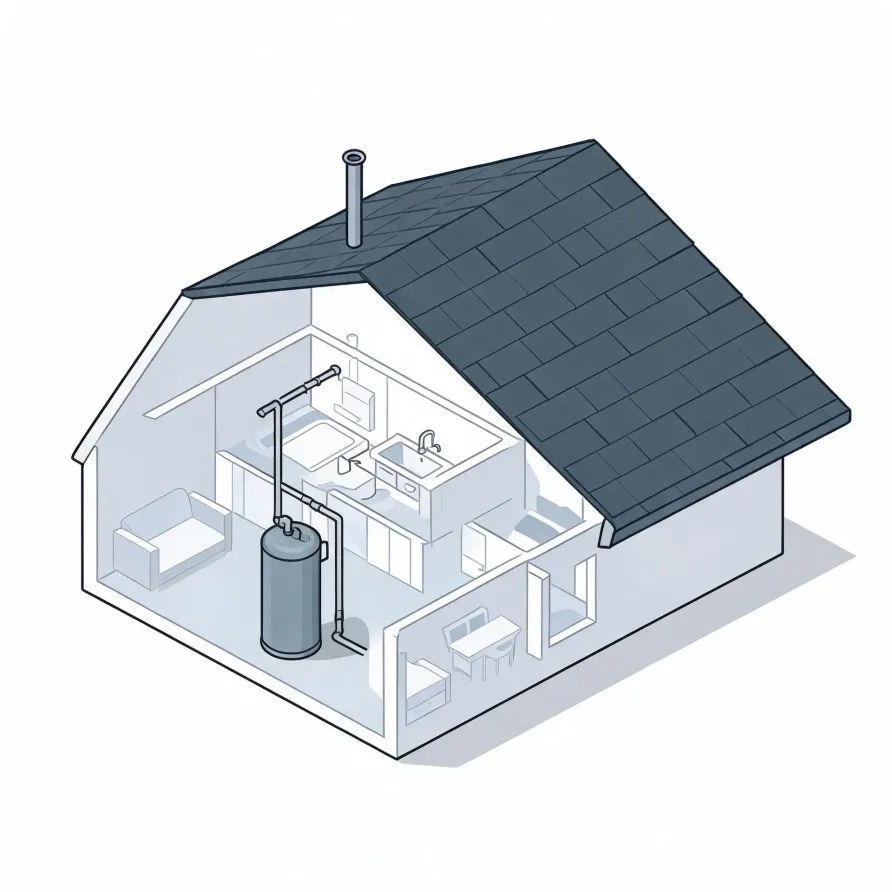
The tank is the core of the system, sitting in a utility room, basement, or closet, and its job is to hold water at a set temperature so hot water is ready on demand. The burner or heating element sits at the base or inside the tank and is often where a contractor starts when the unit stops producing heat or produces it unevenly.
The thermostat controls the target temperature and is mounted on the tank or inside its housing. The pressure relief valve sits near the top and releases excess pressure if it builds too high. The anode rod runs through the interior of the tank and slows corrosion from the inside out, making it a common point of inspection when a tank is aging or the water smells off.
The drawing shows the general layout of a water heater system, and a licensed contractor determines which parts apply to the specific unit and setup in your home.
Find a contractor in Hill CountyHill County, Montana, by the numbers
142 severe weather events were recorded in Hill County, Montana between 2015 and 2024.
NOAA National Centers for Environmental Information, Storm Events Database, bulk CSV export, events 2015-01-01 through 2024-12-31.Half the homes in Hill County, Montana were built in 1971 or earlier (2020-2024 ACS 5-year).
U.S. Census Bureau, 2020-2024 American Community Survey 5-Year EstimatesHill County, Montana holds 7,234 housing units (2020-2024 ACS 5-year).
U.S. Census Bureau, 2020-2024 American Community Survey 5-Year EstimatesOwners occupy 66.1% of the occupied homes in Hill County, Montana (2020-2024 ACS 5-year).
U.S. Census Bureau, 2020-2024 American Community Survey 5-Year EstimatesSevere Weather Events in Hill County
Extreme weather puts a hard load on water heaters, forcing them to recover faster and run longer than they would in mild conditions. How much of that load your equipment carries depends on what the weather here actually does, year over year.
142 severe weather events, 2015–2024. Source: NOAA National Centers for Environmental Information, Storm Events Database.