Tell us about the job
Takes about a minute. No obligation.
A contractor quoting a water heater replacement in Petroleum County starts with the fuel setup, not the tank size. Bottled, tank or LP gas heats more occupied homes in Petroleum County, Montana than any other fuel, at 51.6% (2020-2024 ACS 5-year). Propane burns differently than natural gas, and the venting, combustion air pathway, and regulator sizing all have to match the unit being installed. A heater dropped in without that check corrodes at the flue connection and trips the thermocouple on cold mornings. Getting the install right means confirming the propane supply pressure and the exhaust path before the new unit ever arrives on site.
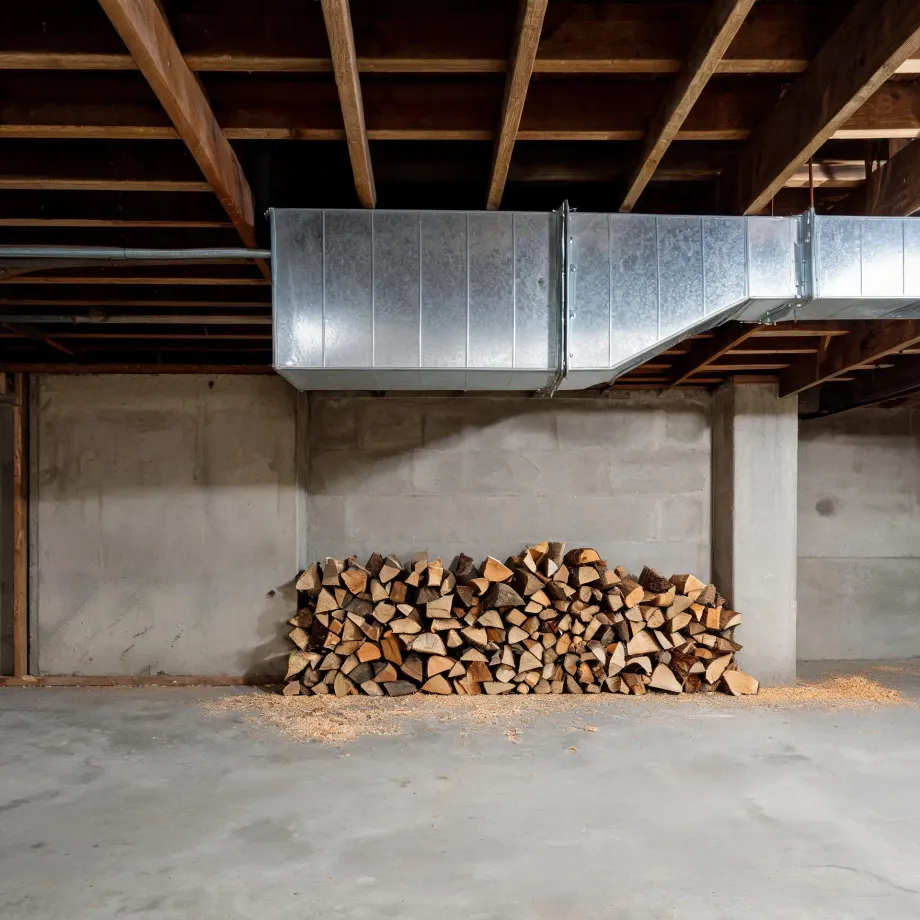
Ductwork sized and routed for equipment that is no longer in the house shapes what a water heater installation actually involves in Petroleum County. Half the homes in Petroleum County, Montana were built in 1983 or earlier (2020-2024 ACS 5-year). That means a contractor quoting the job has to look at what the existing plumbing and venting can carry before the new unit is ever ordered. Some of it carries over cleanly. Some of it requires rerouting or replacement that adds scope the equipment price alone never reflects.
What a Water Heater Installation Puts in Your Home
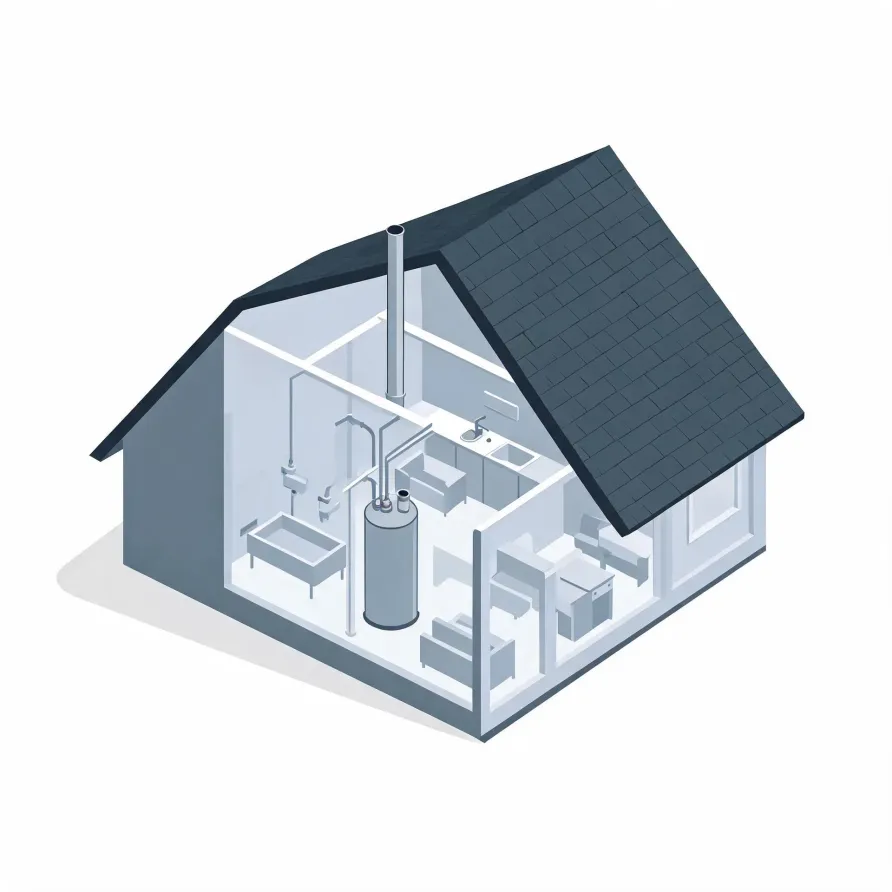
The tank is the piece a homeowner notices first. It sits in a utility closet, basement, or garage and holds a supply of water that a burner or heating element keeps at a set temperature. The pressure relief valve mounts directly on the tank and releases pressure if it climbs too high.
A cold-water supply line feeds into the top of the tank, and a hot-water outlet line carries heated water out to the rest of the house. A drain valve sits at the base of the tank. The flue or exhaust vent runs from the top of a gas unit up and out of the building.
The drawing shows a typical layout, and a licensed contractor determines what the installation requires in your specific home.
Find a contractor in Petroleum CountyPetroleum County, by the numbers
69 severe weather events were recorded in Petroleum County, Montana between 2015 and 2024.
NOAA National Centers for Environmental Information, Storm Events Database, bulk CSV export, events 2015-01-01 through 2024-12-31.Half the homes in Petroleum County, Montana were built in 1983 or earlier (2020-2024 ACS 5-year).
U.S. Census Bureau, 2020-2024 American Community Survey 5-Year EstimatesPetroleum County, Montana holds 311 housing units (2020-2024 ACS 5-year).
U.S. Census Bureau, 2020-2024 American Community Survey 5-Year EstimatesOwners occupy 72.9% of the occupied homes in Petroleum County, Montana (2020-2024 ACS 5-year).
U.S. Census Bureau, 2020-2024 American Community Survey 5-Year EstimatesSevere Weather Events in Petroleum County
Petroleum County's weather puts real stress on water heating equipment, and that stress shapes what a proper installation here needs to handle. Sizing and setup decisions that ignore local conditions leave homeowners with equipment working harder than it should.
69 severe weather events, 2015–2024. Source: NOAA National Centers for Environmental Information, Storm Events Database.