Tell us about the job
Takes about a minute. No obligation.
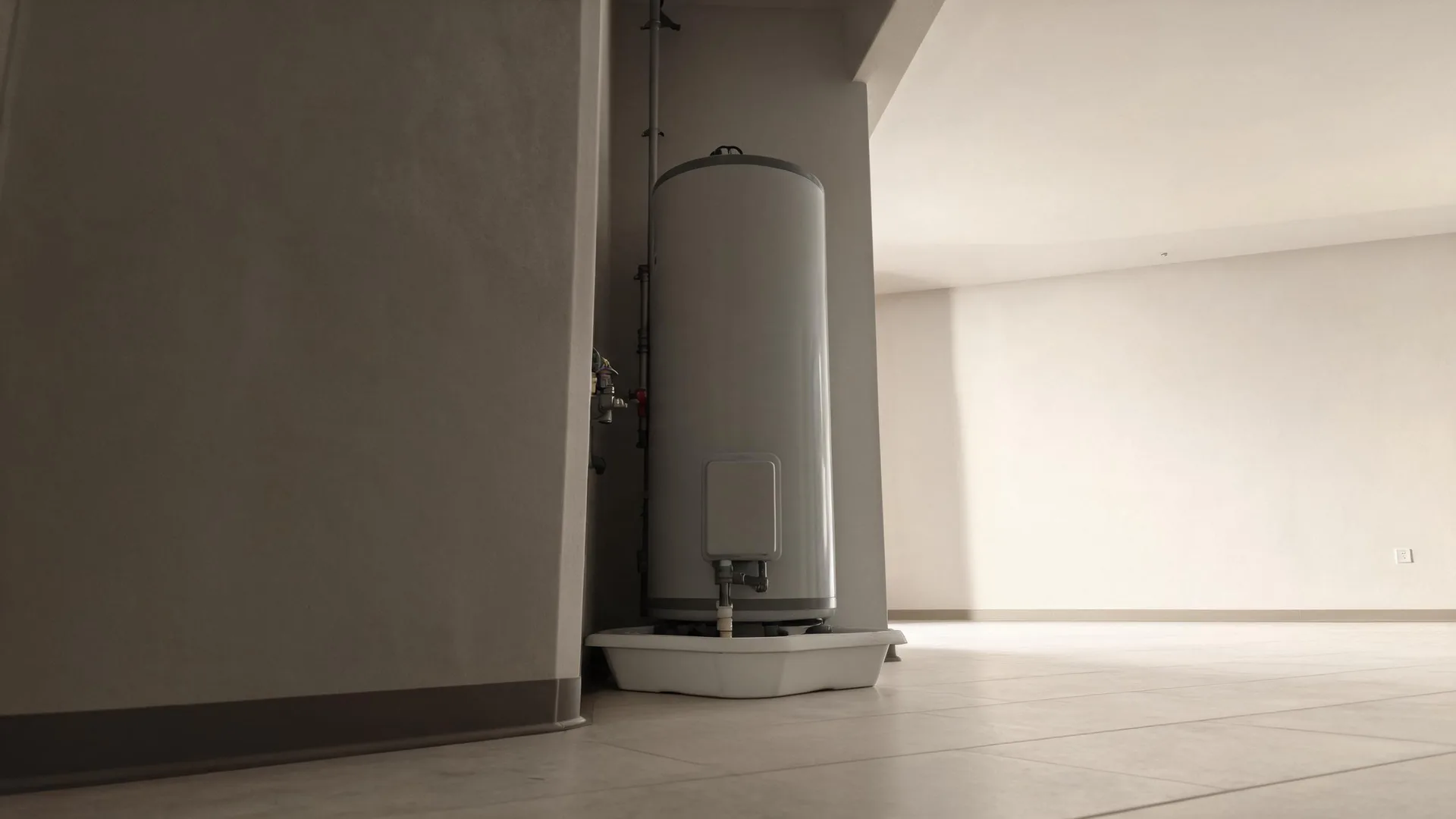
A water heater running on LP gas works every day, not just through a cold stretch. Bottled, tank or LP gas heats more occupied homes in Mineral County, Montana than any other fuel, at 44.0% (2020-2024 ACS 5-year). That fuel choice puts sustained cycling pressure on the burner, the thermocouple, and the gas valve. When a contractor opens a unit here for a repair diagnosis, those components show wear that reflects continuous use rather than seasonal patterns, and a corroded or degraded thermocouple is a common find before anything else fails visibly. Venting condition follows closely, since LP combustion byproducts are dense and a blocked or deteriorating flue line affects both safety and efficiency.
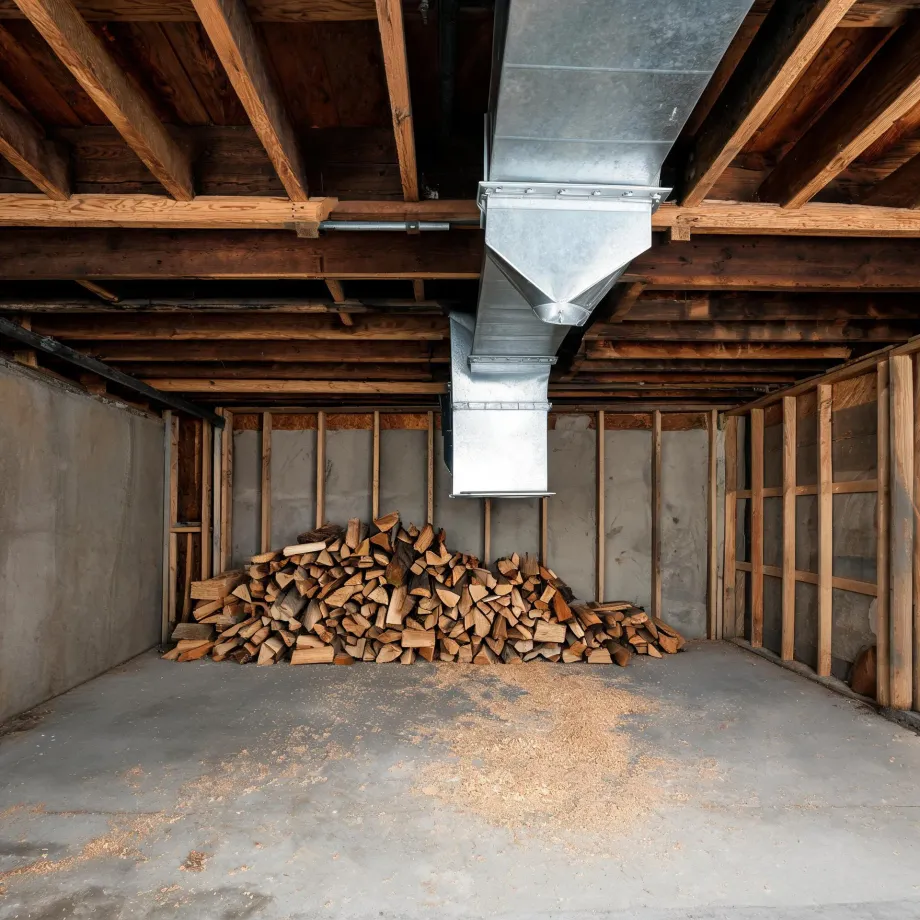
Tanks in houses this old have often been running on original venting and connections that have never been opened since installation. Half the homes in Mineral County, Montana were built in 1983 or earlier (2020-2024 ACS 5-year). That history shows up inside the unit: sediment accumulation at the base, worn sacrificial anodes, and flue fittings that have corroded where they meet the wall. A contractor pulling access on a water heater here expects to find secondary work the initial call did not mention.
The Parts of a Water Heater a Contractor Checks First
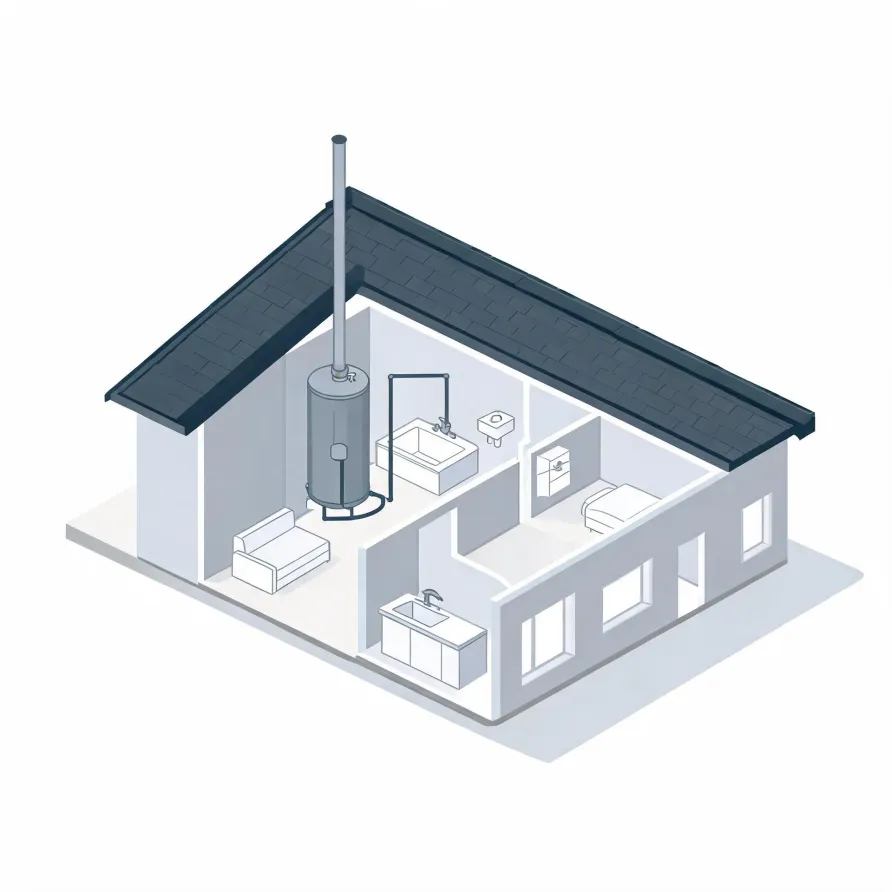
The tank is the centerpiece of the system, sitting in a utility room, basement, or closet, and its job is to hold and heat a standing supply of water. The burner assembly or heating element sits at the base or inside the tank and is where a contractor looks when water runs cold or the unit fails to recover.
The pressure relief valve mounts on the side of the tank and opens automatically if pressure builds beyond a safe point. The anode rod hangs inside the tank to slow corrosion, the dip tube channels cold water in at the bottom, and the flue or exhaust vent exits through the top on gas-fired units.
The drawing shows a general layout of these parts, and a licensed contractor determines what applies to the specific unit and setup in your home.
Find a contractor in Mineral CountyMineral County, by the numbers
78 severe weather events were recorded in Mineral County, Montana between 2015 and 2024.
NOAA National Centers for Environmental Information, Storm Events Database, bulk CSV export, events 2015-01-01 through 2024-12-31.Half the homes in Mineral County, Montana were built in 1983 or earlier (2020-2024 ACS 5-year).
U.S. Census Bureau, 2020-2024 American Community Survey 5-Year EstimatesMineral County, Montana holds 2,572 housing units (2020-2024 ACS 5-year).
U.S. Census Bureau, 2020-2024 American Community Survey 5-Year EstimatesOwners occupy 81.1% of the occupied homes in Mineral County, Montana (2020-2024 ACS 5-year).
U.S. Census Bureau, 2020-2024 American Community Survey 5-Year EstimatesSevere Weather Events in Mineral County
Extreme weather puts real stress on water heating equipment, forcing it to work harder and fail sooner. How often that happens in Mineral County shapes what local repair work looks like and how quickly problems tend to compound.
78 severe weather events, 2015–2024. Source: NOAA National Centers for Environmental Information, Storm Events Database.