Tell us about the job
Takes about a minute. No obligation.
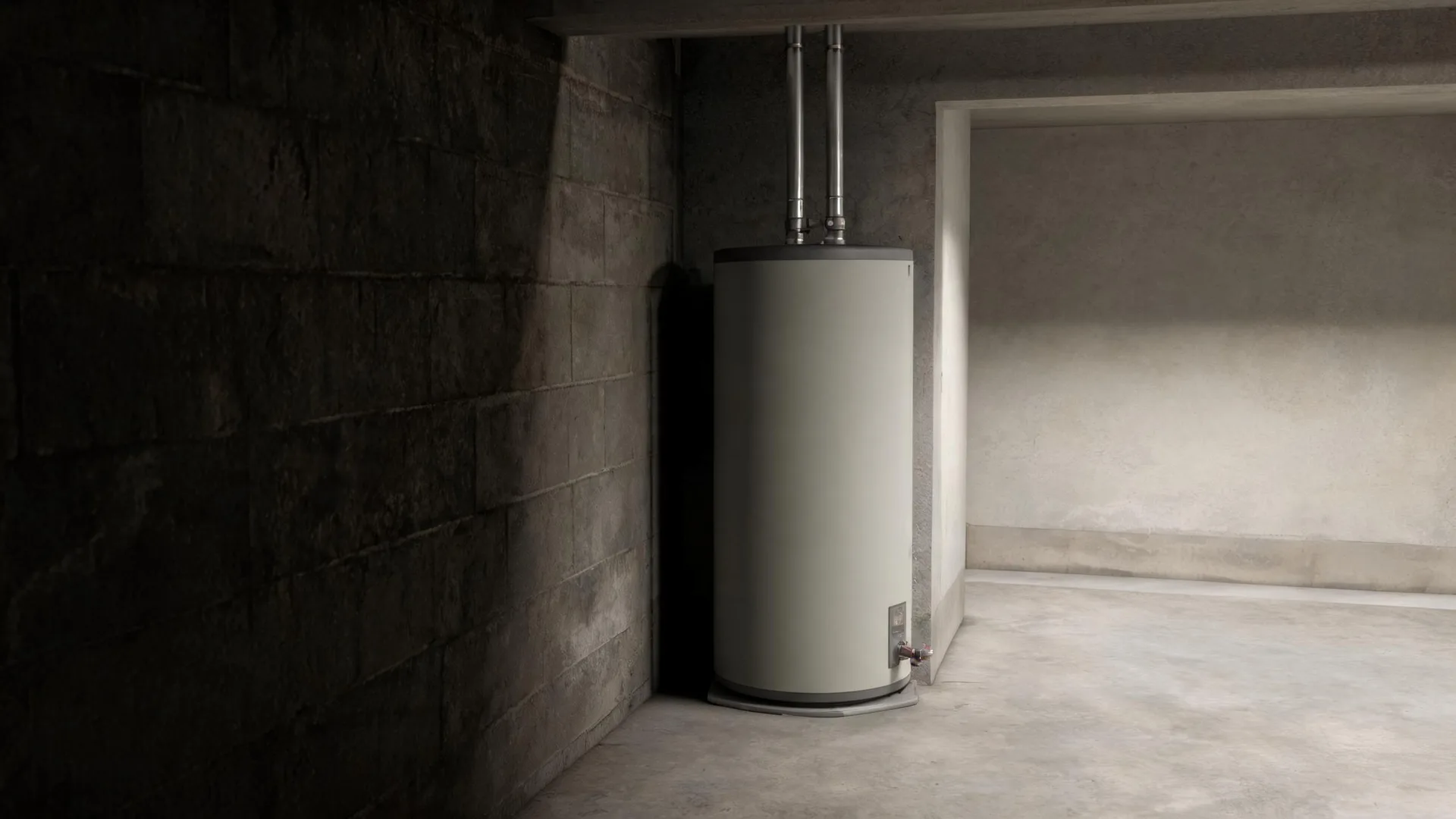
Gas-fired water heater replacement in Silver Bow County starts with the venting path, not the tank. Utility gas heats more occupied homes in Silver Bow County, Montana than any other fuel, at 64.3% (2020-2024 ACS 5-year). A contractor quoting a replacement here has to establish what the existing flue can handle, whether the combustion air supply meets code for the new unit's input rating, and whether a direct-vent or power-vent configuration fits the space. Get those wrong on a gas appliance and the unit runs short-cycled or backdrafts. The fuel share in this county means most homes already have gas infrastructure in place, but that infrastructure was sized for whatever unit came before, and a higher-efficiency replacement draws combustion air differently than an older one did.
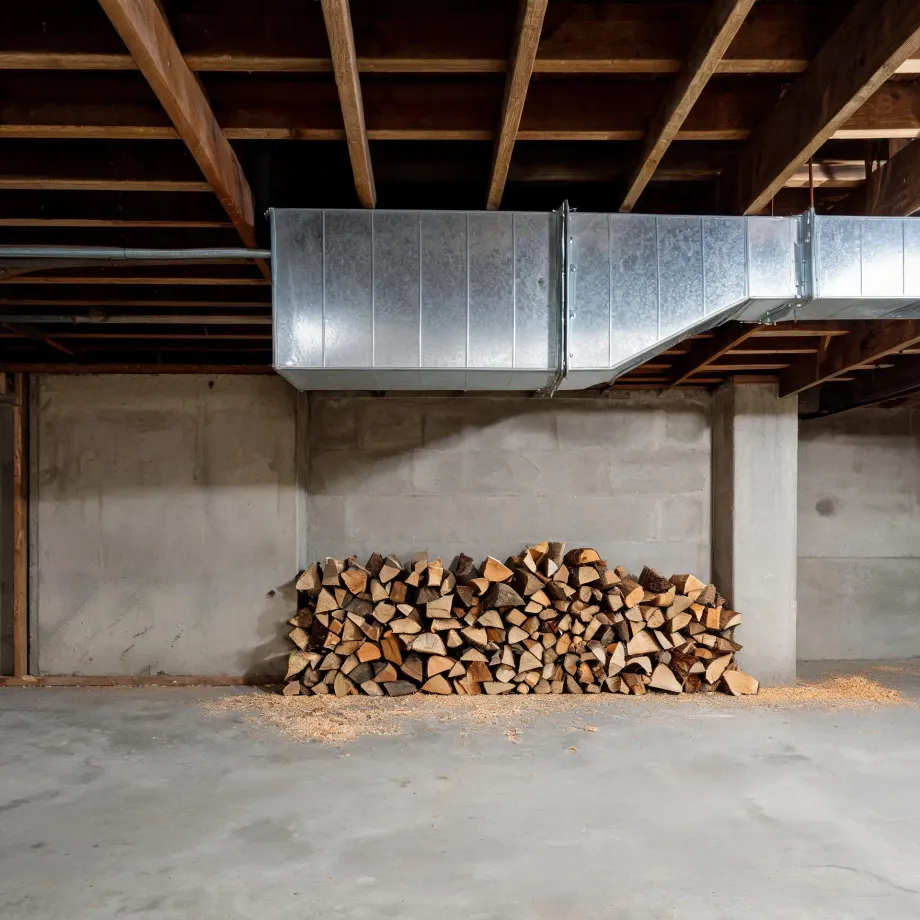
Ductwork and electrical panels in housing stock this old were built around loads that modern water heaters exceed. Half the homes in Silver Bow County, Montana were built in 1956 or earlier (2020-2024 ACS 5-year). What a contractor finds at the panel in a house like this often decides whether an upgrade to the service entrance is part of the job or not. The unit itself can be priced quickly. What it will actually run on takes a closer look.
What a Water Heater Installation Covers
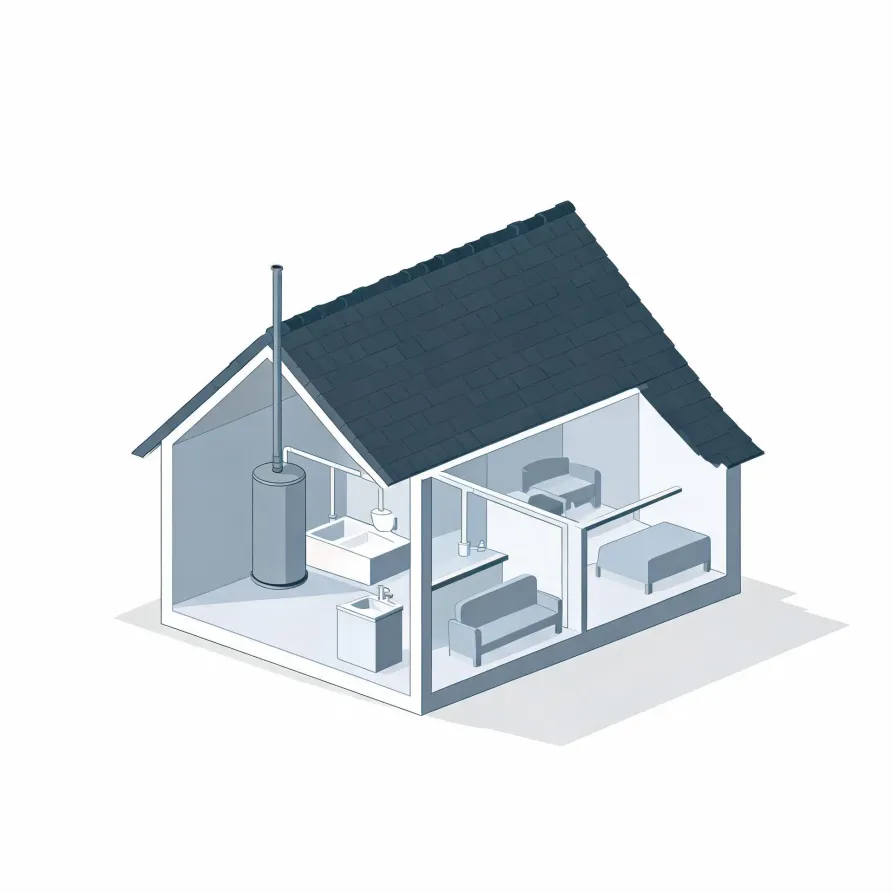
The tank or tankless unit is the heart of the system, sitting in a utility room, basement, or closet, and its job is to heat and hold water ready for every tap and appliance in the house. Connected to that unit is the cold-water supply line coming in and the hot-water line going out to the rest of the home.
A pressure relief valve mounts directly on the unit and opens if pressure inside climbs too high. The flue or vent pipe runs from the unit up and out of the house to carry combustion gases away. In gas-fired installations, a gas supply line ties into the unit at the base.
The drawing shows a typical layout, and a licensed contractor determines what applies to your specific home and setup.
Find a contractor in Silver Bow CountySilver Bow County, by the numbers
75 severe weather events were recorded in Silver Bow County, Montana between 2015 and 2024.
NOAA National Centers for Environmental Information, Storm Events Database, bulk CSV export, events 2015-01-01 through 2024-12-31.Half the homes in Silver Bow County, Montana were built in 1956 or earlier (2020-2024 ACS 5-year).
U.S. Census Bureau, 2020-2024 American Community Survey 5-Year EstimatesSilver Bow County, Montana holds 17,499 housing units (2020-2024 ACS 5-year).
U.S. Census Bureau, 2020-2024 American Community Survey 5-Year EstimatesOwners occupy 70.8% of the occupied homes in Silver Bow County, Montana (2020-2024 ACS 5-year).
U.S. Census Bureau, 2020-2024 American Community Survey 5-Year EstimatesSevere Weather Events in Silver Bow County
Montana's climate puts real load on water heating equipment, and that load is not the same everywhere in the state. What Silver Bow County sees shapes how hard a water heater works and how well it needs to be matched to local conditions.
75 severe weather events, 2015–2024. Source: NOAA National Centers for Environmental Information, Storm Events Database.