Tell us about the job
Takes about a minute. No obligation.
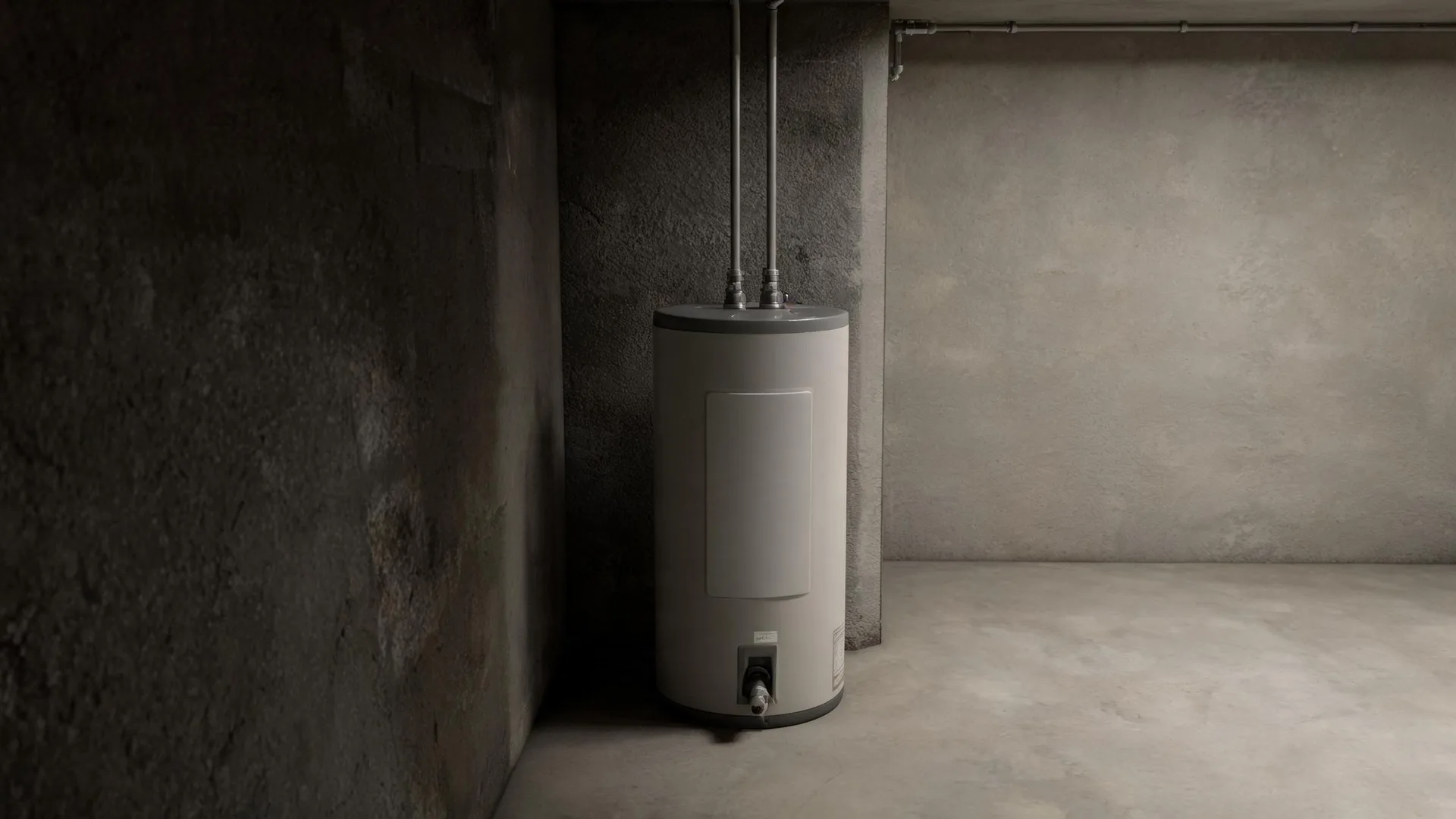
A water heater burns fuel every day, winter and summer, which sets it apart from heating and cooling equipment that cycles off for months at a time. Utility gas heats more occupied homes in Yellowstone County, Montana than any other fuel, at 67.9% (2020-2024 ACS 5-year). With gas this dominant, the venting configuration, combustion air supply, and burner condition are the first things a contractor checks on any repair call. Scale buildup on the heat exchanger and wear on the ignition system accumulate steadily across years of daily cycling. A contractor working a gas unit here prices the burner components before anything else.
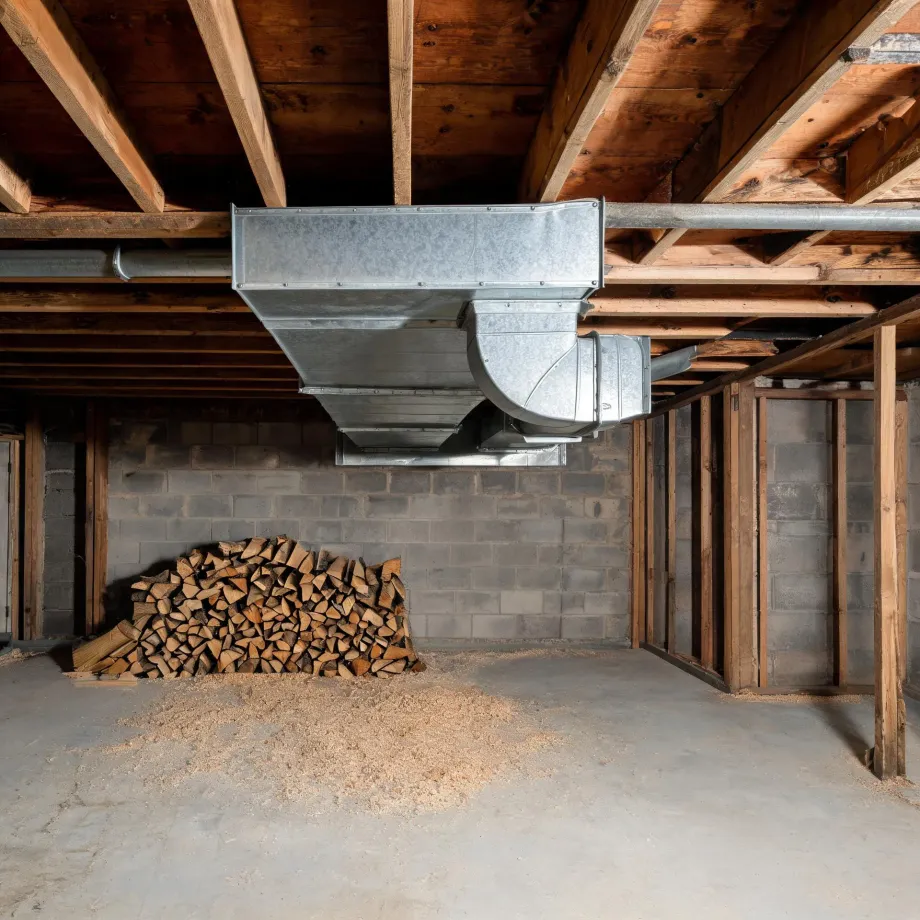
A lot of what a contractor opens in this county has been running through more than one chapter of its useful life, and what they find inside the unit shapes everything that follows. Half the homes in Yellowstone County, Montana were built in 1982 or earlier (2020-2024 ACS 5-year). Water heaters installed into houses of that vintage were often specified around supply lines and part families that have since narrowed considerably. When a repair turns on a component that has been discontinued or redesigned, the contractor's path forward changes: a direct replacement may not exist, and a substitute has to be vetted before the job can close. That is what determines the scope here, not the opening diagnosis but what the parts search returns.
The Parts of a Water Heater a Contractor Checks First
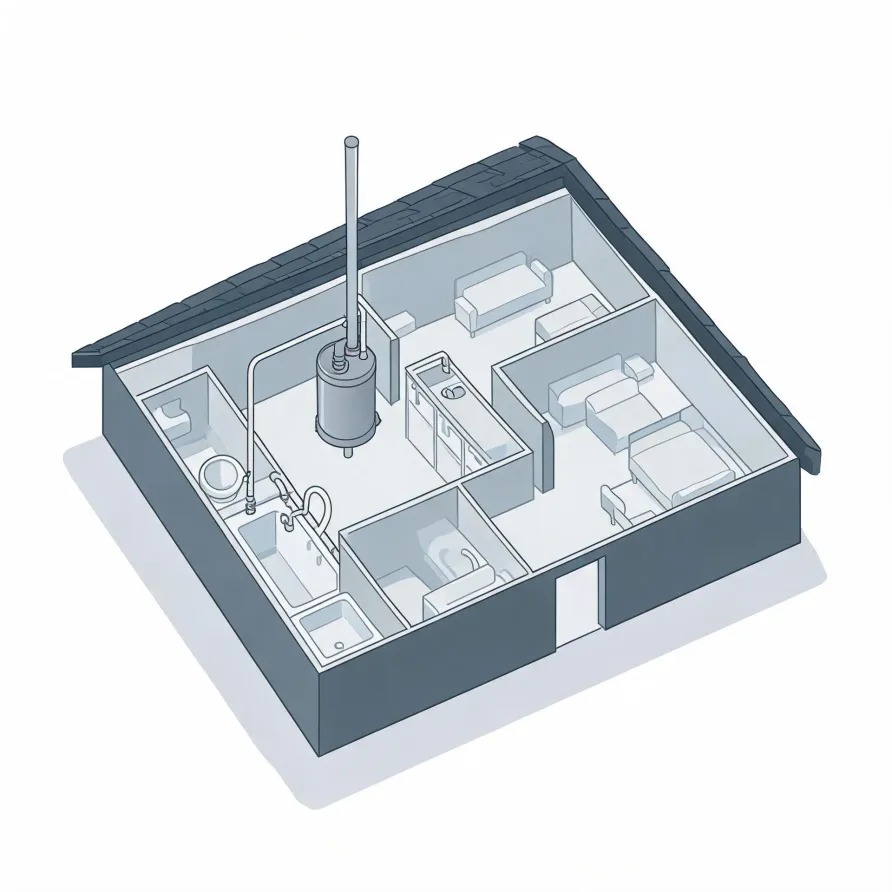
The tank is the center of the system, sitting in a utility room, basement, or closet, and its job is to hold and heat a supply of water on demand. The burner assembly or heating element sits inside or beneath the tank and is where most faults show up first, whether the symptom is no hot water, lukewarm water, or a unit that runs without stopping.
The pressure relief valve mounts on the side of the tank and opens if pressure or temperature climbs past a safe point. The anode rod runs down through the top of the tank and slows corrosion from the inside. The inlet and outlet connections at the top carry cold water in and hot water out to the rest of the house.
The drawing shows a typical water heater layout, and a licensed contractor determines which parts apply and what condition they are in for your specific unit.
Find a contractor in Yellowstone CountyYellowstone County, by the numbers
339 severe weather events were recorded in Yellowstone County, Montana between 2015 and 2024.
NOAA National Centers for Environmental Information, Storm Events Database, bulk CSV export, events 2015-01-01 through 2024-12-31.Half the homes in Yellowstone County, Montana were built in 1982 or earlier (2020-2024 ACS 5-year).
U.S. Census Bureau, 2020-2024 American Community Survey 5-Year EstimatesYellowstone County, Montana holds 74,239 housing units (2020-2024 ACS 5-year).
U.S. Census Bureau, 2020-2024 American Community Survey 5-Year EstimatesOwners occupy 69.6% of the occupied homes in Yellowstone County, Montana (2020-2024 ACS 5-year).
U.S. Census Bureau, 2020-2024 American Community Survey 5-Year EstimatesSevere Weather Events in Yellowstone County
Extreme weather puts water heaters under strain, pushing heating elements, tanks, and pressure relief systems to work harder and fail sooner. What happens in Yellowstone County's climate is a direct factor in how long equipment lasts and when repairs become necessary.
339 severe weather events, 2015–2024. Source: NOAA National Centers for Environmental Information, Storm Events Database.