Tell us about the job
Takes about a minute. No obligation.
Electric water heaters in Lake County carry a specific wear pattern: the heating elements and thermostats cycle hard every time hot water is drawn, and they do it in a home where electricity is the only fuel in the system. Electricity heats more occupied homes in Lake County, Montana than any other fuel, at 56.2% (2020-2024 ACS 5-year). A contractor diagnosing a failing water heater here checks the elements and the anode rod first, because those are the components that degrade under constant electrical cycling. Sediment buildup accelerates that process, shortening the interval before an element burns out.
Sediment buildup, corroded fittings, and venting that has shifted over years of use are what a contractor typically opens up to in this county's older homes. Half the homes in Lake County, Montana were built in 1986 or earlier (2020-2024 ACS 5-year). That housing profile means the water heater itself is rarely the only problem a repair turns up. A contractor pulling an older unit finds the flue, the supply lines, and the pressure relief connection all carry their own history, and the scope of the job expands or holds depending on what those components look like once the unit is out.
The Parts of a Water Heater a Contractor Checks First
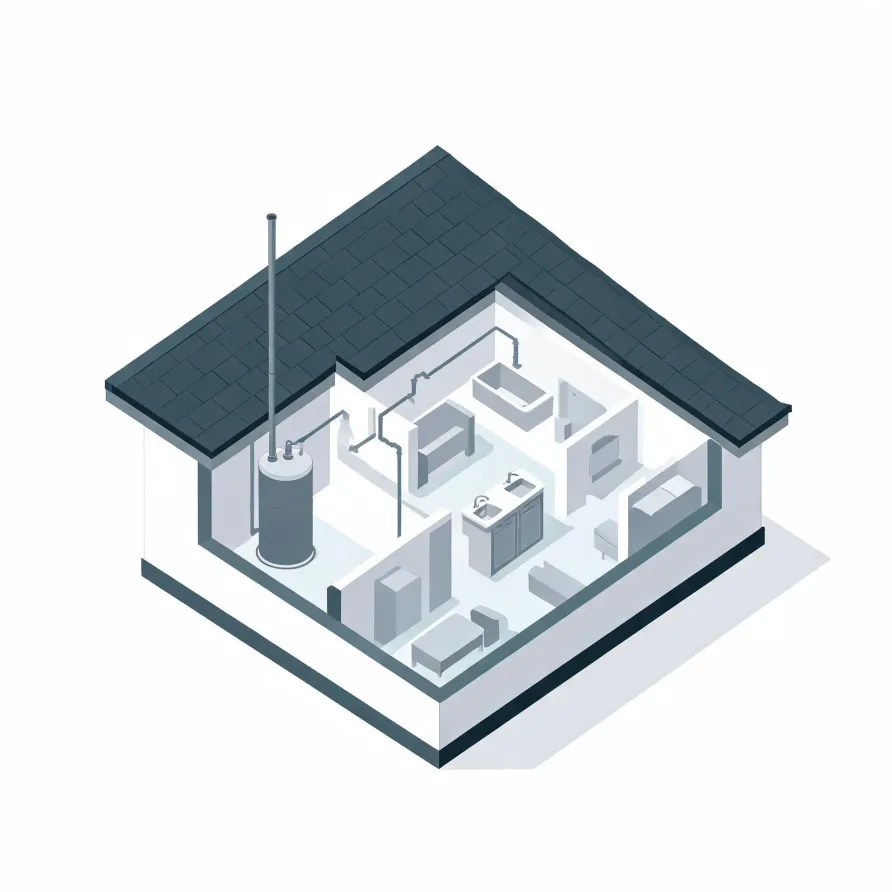
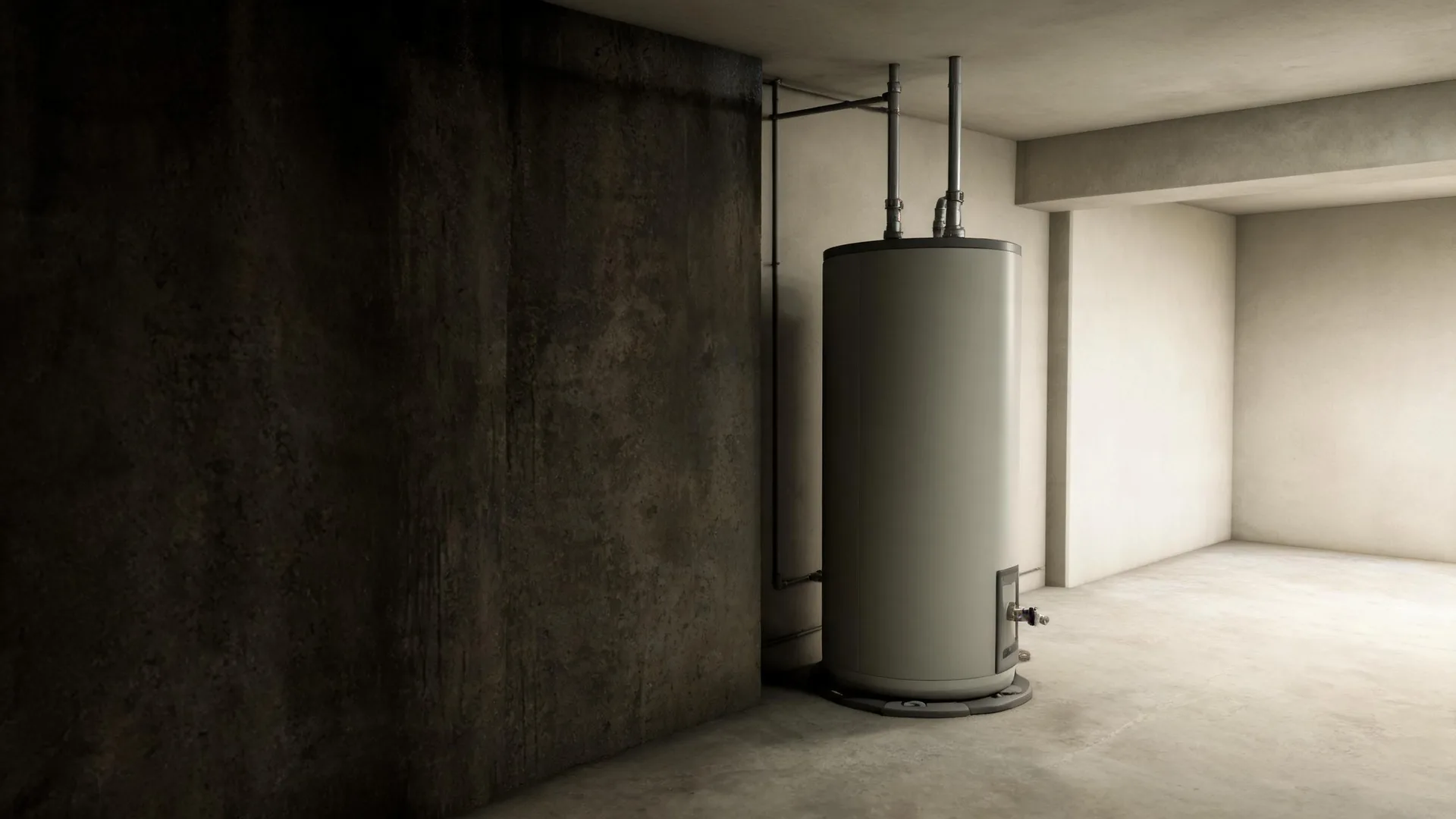
The tank is the piece you are most likely to have seen, sitting in a utility room, basement, or closet. It holds the water and keeps it hot, and when something goes wrong with heating or temperature, a contractor starts there. The anode rod runs down through the tank and draws corrosion away from the steel walls.
The pressure relief valve sits on the side of the tank and opens if pressure or temperature climbs too high. The inlet and outlet connections carry cold water in and hot water out, and the drain valve at the base of the tank lets a contractor flush sediment that has settled on the bottom.
The drawing shows the general layout of a water heater system, and a licensed contractor determines what applies to the specific unit in your home.
Find a contractor in Lake CountyLake County, Montana, by the numbers
195 severe weather events were recorded in Lake County, Montana between 2015 and 2024.
NOAA National Centers for Environmental Information, Storm Events Database, bulk CSV export, events 2015-01-01 through 2024-12-31.Half the homes in Lake County, Montana were built in 1986 or earlier (2020-2024 ACS 5-year).
U.S. Census Bureau, 2020-2024 American Community Survey 5-Year EstimatesLake County, Montana holds 16,468 housing units (2020-2024 ACS 5-year).
U.S. Census Bureau, 2020-2024 American Community Survey 5-Year EstimatesOwners occupy 75.0% of the occupied homes in Lake County, Montana (2020-2024 ACS 5-year).
U.S. Census Bureau, 2020-2024 American Community Survey 5-Year EstimatesWeather Load in Lake County
Extreme weather puts real stress on water heating equipment, driving demand on components that then fail or degrade faster than they would under mild conditions. How hard that load hits depends on where you are, and Lake County has its own pattern.
195 severe weather events, 2015–2024. Source: NOAA National Centers for Environmental Information, Storm Events Database.