Tell us about the job
Takes about a minute. No obligation.
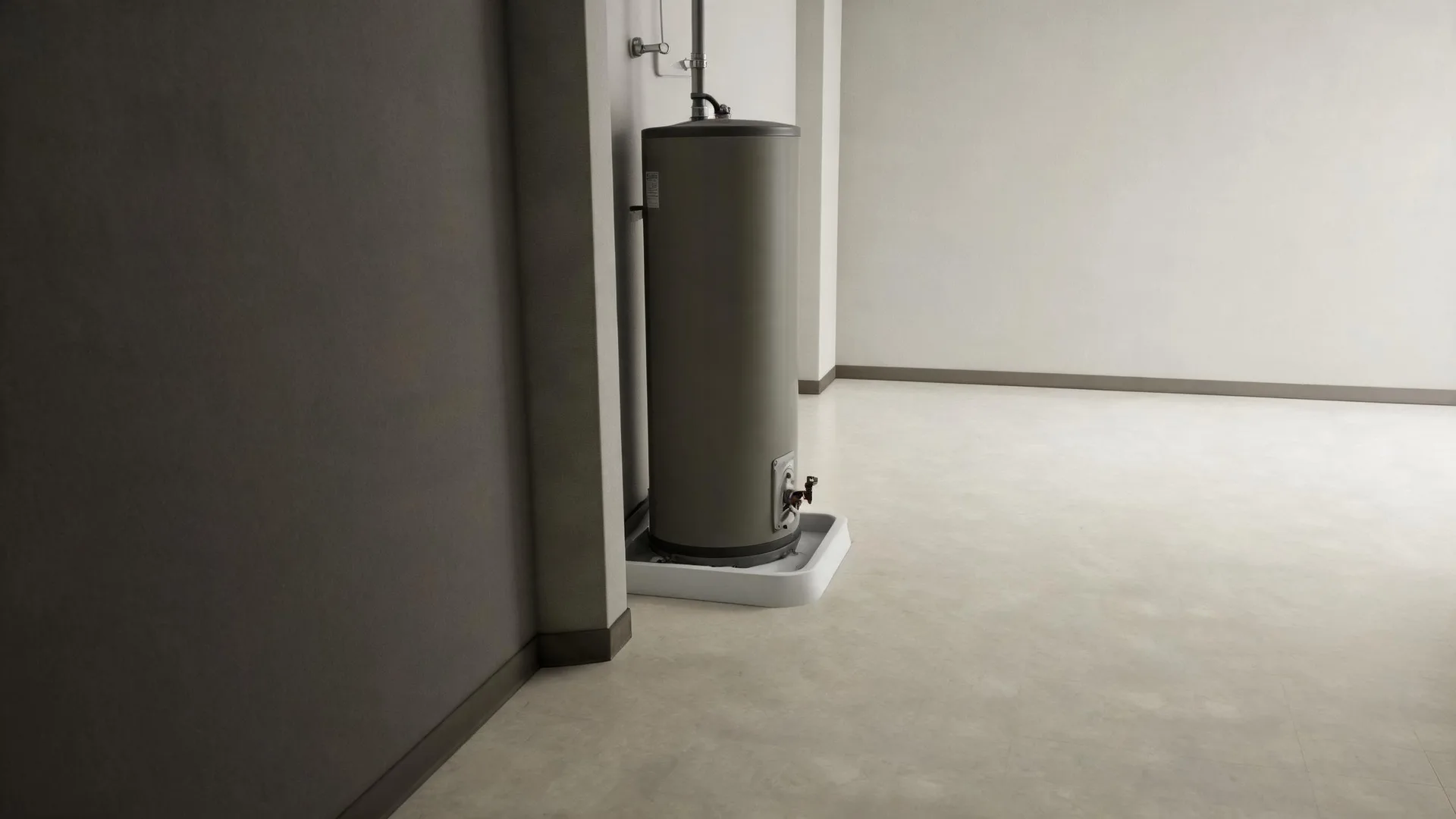
Gas-fired water heater installation here is shaped by what the house already has running through it. Utility gas heats more occupied homes in Yellowstone County, Montana than any other fuel, at 67.9% (2020-2024 ACS 5-year). That share means most homes are already set up for gas combustion, with venting paths and air supplies sized around it. A contractor replacing a unit works out whether the existing flue and combustion air arrangement suits the new appliance before anything else gets priced or ordered. If the venting does not match, the unit fails to draft correctly, and no amount of correct sizing fixes a draft problem.
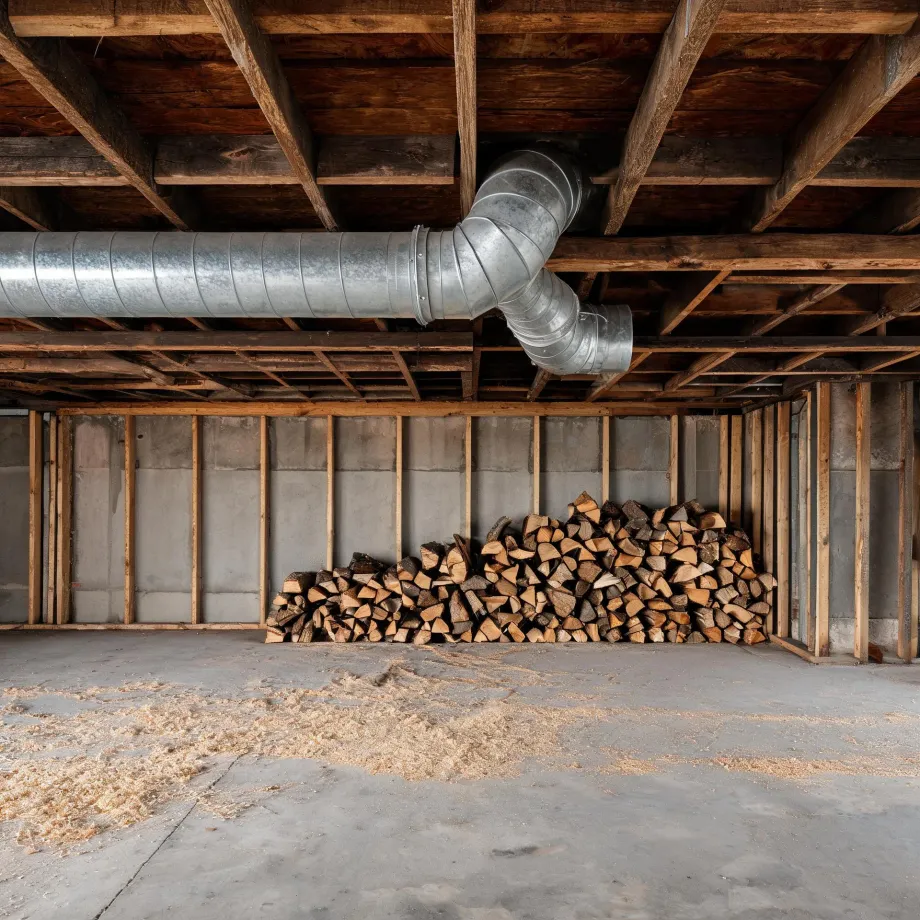
Electrical service is what decides how a water heater installation goes in a large share of Yellowstone County homes. Half the homes in Yellowstone County, Montana were built in 1982 or earlier (2020-2024 ACS 5-year). Houses built around that era were wired for loads that reflected the appliances of their time, and a new water heater can exceed what the existing panel was designed to carry. A contractor quoting the job will price the unit and then open the breaker box to see whether the service needs upgrading before anything else gets connected.
What a Water Heater Installation Puts in Your Home
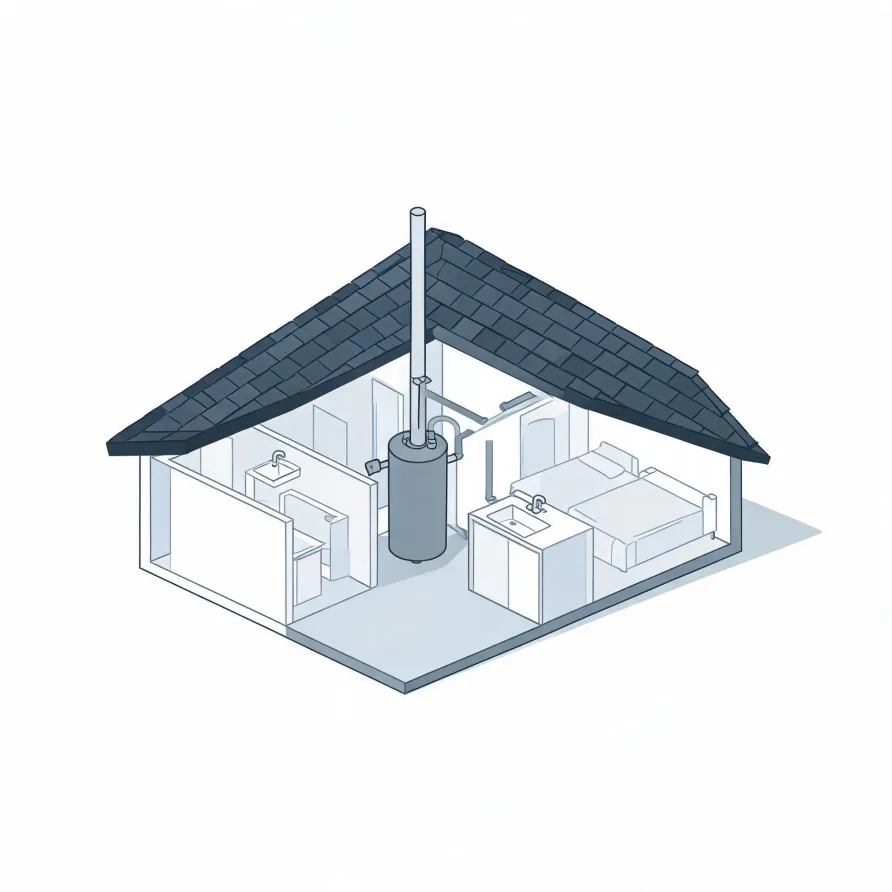
The tank is the piece you will notice first. It sits in a utility room, basement, or garage and holds a reserve of heated water ready for the taps and appliances. A gas model has a flue running up through or out the side of the house; an electric model connects to a dedicated circuit instead.
The cold water inlet and hot water outlet lines attach at the top of the tank, feeding the home's plumbing. A temperature and pressure relief valve mounts on the side as a safety device, and a drain valve sits near the base. The anode rod hangs inside the tank and protects the lining from corrosion.
The drawing shows a typical layout, and a licensed contractor determines exactly what applies to your house and its existing plumbing.
Find a contractor in Yellowstone CountyYellowstone County, by the numbers
339 severe weather events were recorded in Yellowstone County, Montana between 2015 and 2024.
NOAA National Centers for Environmental Information, Storm Events Database, bulk CSV export, events 2015-01-01 through 2024-12-31.Half the homes in Yellowstone County, Montana were built in 1982 or earlier (2020-2024 ACS 5-year).
U.S. Census Bureau, 2020-2024 American Community Survey 5-Year EstimatesYellowstone County, Montana holds 74,239 housing units (2020-2024 ACS 5-year).
U.S. Census Bureau, 2020-2024 American Community Survey 5-Year EstimatesOwners occupy 69.6% of the occupied homes in Yellowstone County, Montana (2020-2024 ACS 5-year).
U.S. Census Bureau, 2020-2024 American Community Survey 5-Year EstimatesSevere Weather Events in Yellowstone County
Extreme weather puts real strain on water heating equipment, driving harder cycling, more frequent demand, and shorter service life. How much of that your system faces depends on what this area actually gets.
339 severe weather events, 2015–2024. Source: NOAA National Centers for Environmental Information, Storm Events Database.