Tell us about the job
Takes about a minute. No obligation.
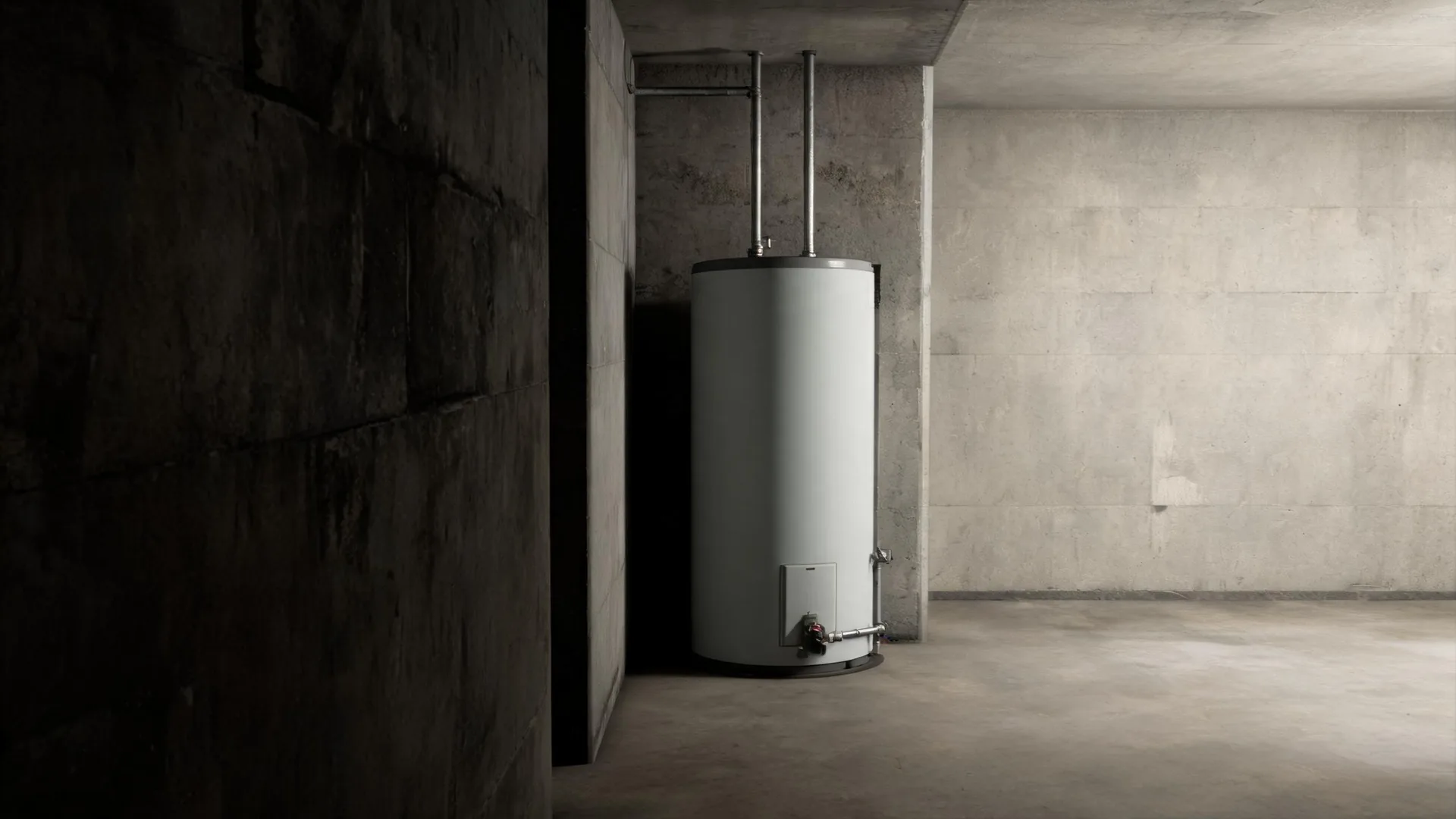
Gas-fired water heaters cycle their burners every day, not just through a heating season, and the burner assembly, thermocouple, and gas valve are the components that show it first. Utility gas heats more occupied homes in Custer County, Montana than any other fuel, at 61.9% (2020-2024 ACS 5-year). A contractor diagnosing a failing unit in this county starts at the combustion side: the thermocouple for drift, the burner orifice for scaling or soot, and the gas valve for consistent pressure. A water heater that has been running on utility gas for years in a hard-use household leaves a clear record in those parts, and a repair quote that skips that inspection will miss what actually failed.
Half the homes in Custer County, Montana were built in 1965 or earlier (2020-2024 ACS 5-year). When a contractor opens a water heater in a house from that era, what they find is rarely limited to the failed component. Original supply lines, aged pressure-relief valves, and unchecked sediment accumulation are common in plumbing that has run since the house was new. A part swap on the unit itself resolves the visible failure, but the surrounding plumbing often presents conditions that will shorten whatever goes in next.
The Parts of a Water Heater a Contractor Checks First
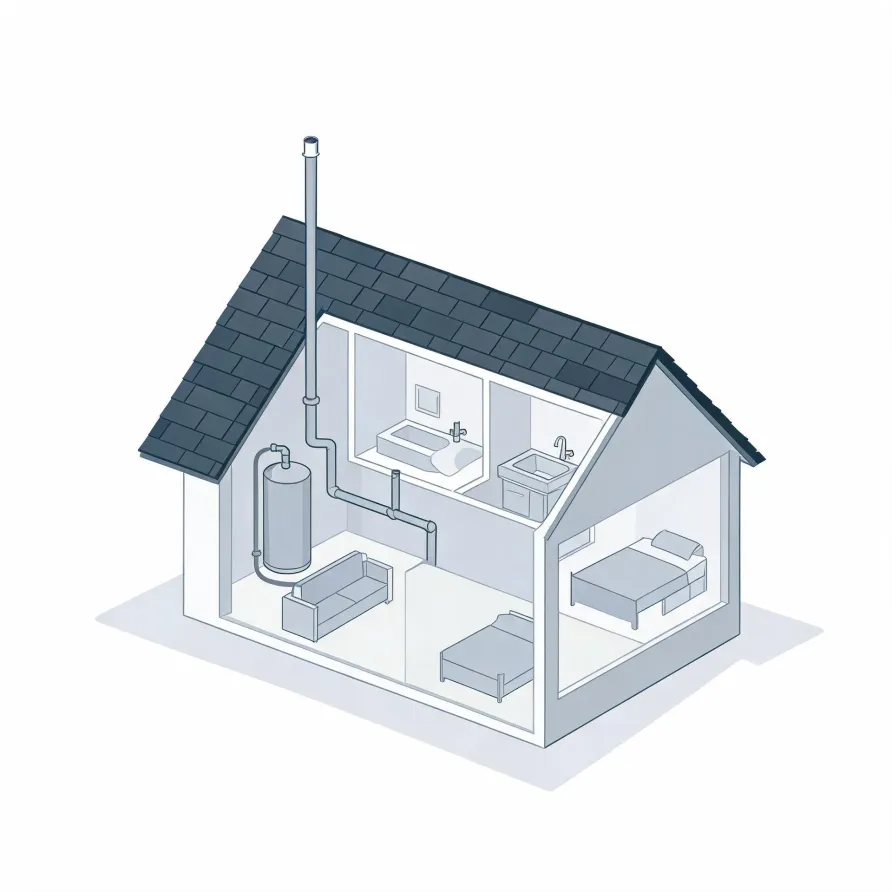
The tank is the core of the system. It sits in a utility space, basement, or closet and holds water at a set temperature. When a household gets no hot water, or the water runs cold quickly, the tank itself, its internal components, or the heating element inside it is usually where a contractor starts.
The pressure relief valve mounts on the tank's side and opens if pressure builds past a safe point. The anode rod runs inside the tank and slows corrosion. The thermostat controls the heating element and is a common source of temperature problems. Inlet and outlet pipes connect the tank to the rest of the house's plumbing.
The drawing shows a general layout of these components, and a licensed contractor determines what applies to the specific unit and configuration in your home.
Find a contractor in Custer CountyCuster County, by the numbers
176 severe weather events were recorded in Custer County, Montana between 2015 and 2024.
NOAA National Centers for Environmental Information, Storm Events Database, bulk CSV export, events 2015-01-01 through 2024-12-31.Half the homes in Custer County, Montana were built in 1965 or earlier (2020-2024 ACS 5-year).
U.S. Census Bureau, 2020-2024 American Community Survey 5-Year EstimatesCuster County, Montana holds 5,784 housing units (2020-2024 ACS 5-year).
U.S. Census Bureau, 2020-2024 American Community Survey 5-Year EstimatesOwners occupy 69.9% of the occupied homes in Custer County, Montana (2020-2024 ACS 5-year).
U.S. Census Bureau, 2020-2024 American Community Survey 5-Year EstimatesSevere Weather Events in Custer County
Extreme weather puts water heaters under stress that ordinary use does not. Knowing what this area faces gives a clearer picture of why repair needs here are a local question, not a generic one.
176 severe weather events, 2015–2024. Source: NOAA National Centers for Environmental Information, Storm Events Database.