Tell us about the job
Takes about a minute. No obligation.
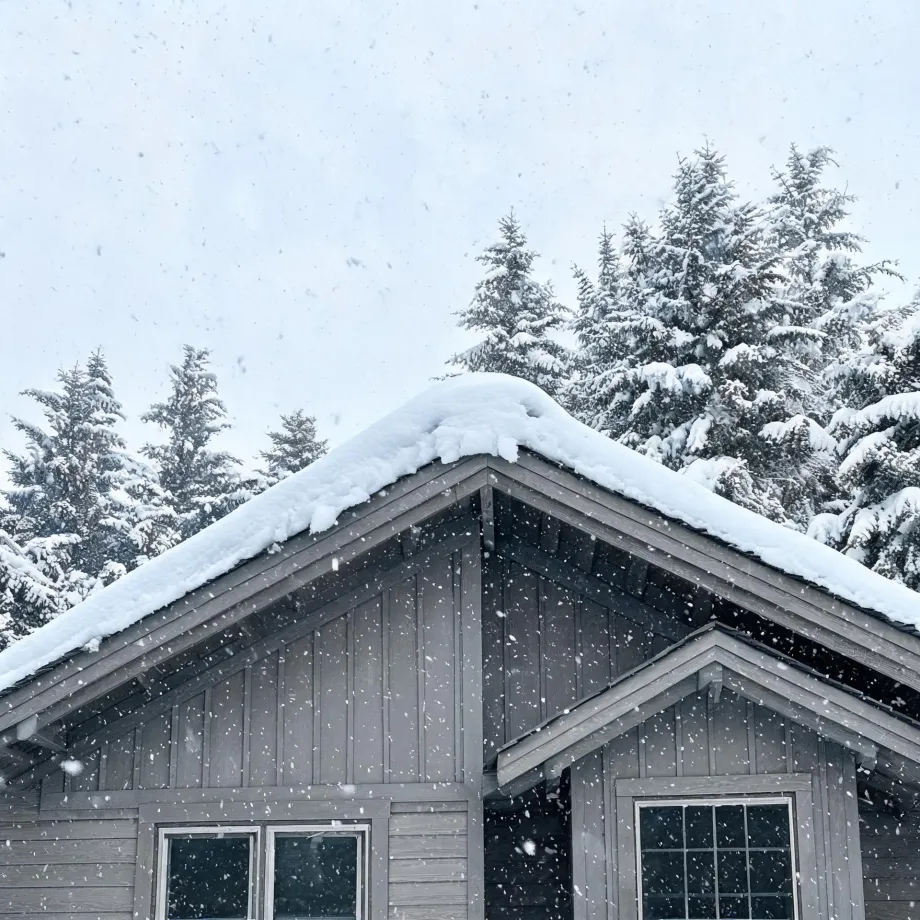
Gas water heaters cycle their burners daily, and a burner assembly that has been lighting and extinguishing through years of heavy use leaves clear evidence of that wear. Utility gas heats more occupied homes in Flathead County, Montana than any other fuel, at 43.4% (2020-2024 ACS 5-year). A contractor repairing a gas water heater here looks first at the thermocouple, the gas valve, and the igniter, because those are the parts the combustion cycle wears. Sediment in the tank and corrosion on the flue connections follow close behind. A unit running on utility gas in this county gives a contractor a readable repair story, and the burner is where that story starts.
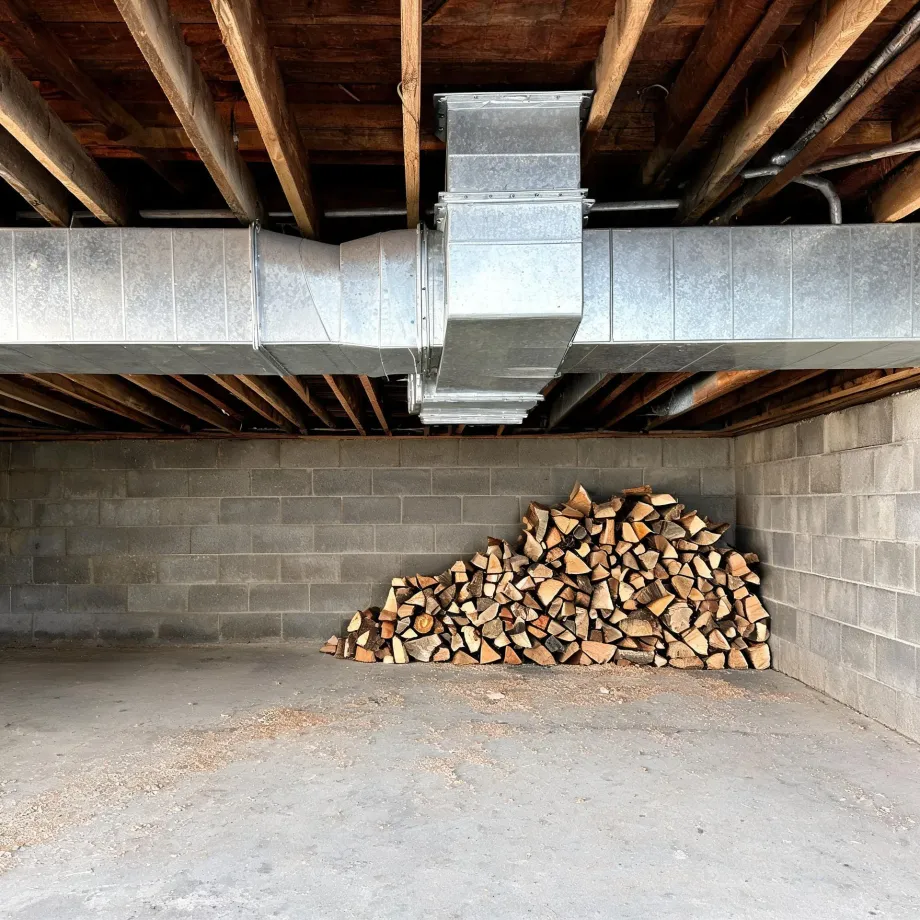
What the tank looks like from the outside tells a contractor little about what they will find once the access panels are off and the connections are exposed. Half the homes in Flathead County, Montana were built in 1991 or earlier (2020-2024 ACS 5-year). In stock that old, water heater components wear against supply lines, fittings, and venting that may never have been replaced, and sediment buildup in tanks that have run for decades without a flush is common enough that a repair scoped on symptoms alone will miss it. The part a homeowner called about is rarely the only thing that needs attention once a contractor is on site.
The Parts of a Water Heater a Contractor Checks First
The tank is the piece a homeowner sees first, usually standing in a utility room, basement, or garage closet. It holds and heats the water supply for the house. When sediment builds inside it or the lining degrades, the tank itself is where a contractor starts.
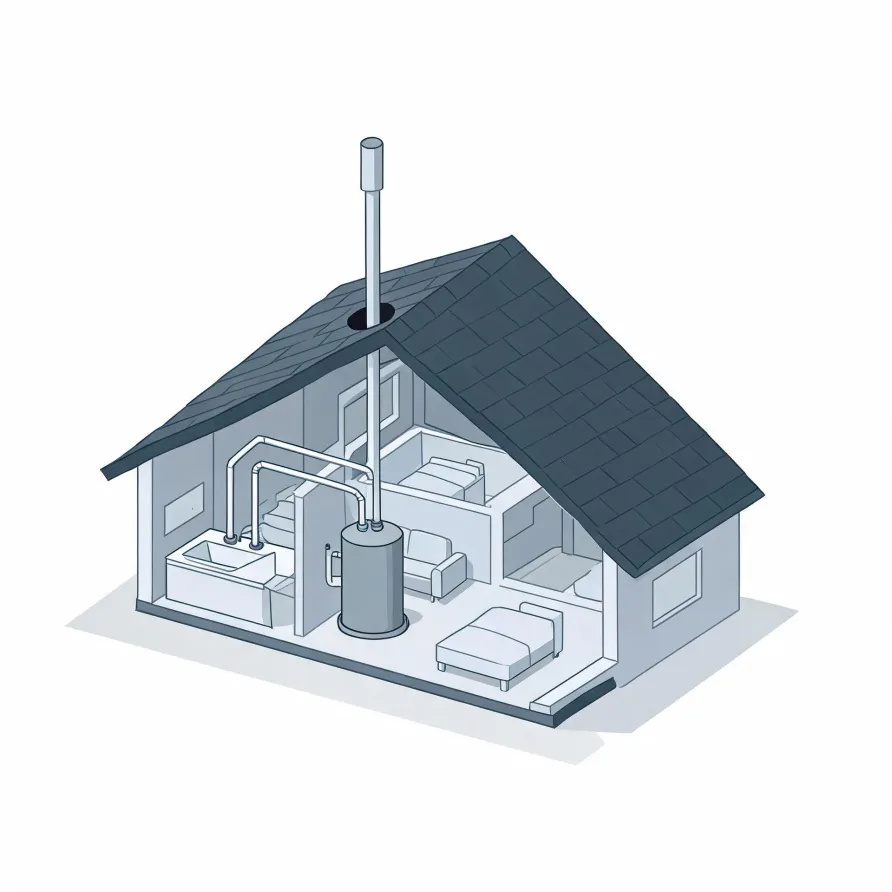
The pressure relief valve sits on the side of the tank and releases if internal pressure climbs too high. The anode rod runs down into the tank's interior and slows corrosion. The burner assembly or heating element, depending on whether the unit runs on gas or electricity, sits at the base or inside the tank and is a frequent source of failure when hot water stops arriving.
The drawing shows the general layout of a water heater system, and a licensed contractor determines which parts and conditions apply to your specific home.
Find a contractor in Flathead CountyFlathead County, by the numbers
205 severe weather events were recorded in Flathead County, Montana between 2015 and 2024.
NOAA National Centers for Environmental Information, Storm Events Database, bulk CSV export, events 2015-01-01 through 2024-12-31.Half the homes in Flathead County, Montana were built in 1991 or earlier (2020-2024 ACS 5-year).
U.S. Census Bureau, 2020-2024 American Community Survey 5-Year EstimatesFlathead County, Montana holds 51,680 housing units (2020-2024 ACS 5-year).
U.S. Census Bureau, 2020-2024 American Community Survey 5-Year EstimatesOwners occupy 72.4% of the occupied homes in Flathead County, Montana (2020-2024 ACS 5-year).
U.S. Census Bureau, 2020-2024 American Community Survey 5-Year EstimatesSevere Weather Events in Flathead County
Weather puts a measurable load on water heaters. Hard conditions force equipment to work harder and recover faster, which is why local weather history is a real factor in how long a water heater holds up and when it needs attention.
205 severe weather events, 2015–2024. Source: NOAA National Centers for Environmental Information, Storm Events Database.