Tell us about the job
Takes about a minute. No obligation.
Gas-fired water heaters run on combustion, and the venting and air-supply arrangements that serve one unit do not automatically suit another. Utility gas heats more occupied homes in Wheatland County, Montana than any other fuel, at 51.0% (2020-2024 ACS 5-year). That majority shapes what a contractor has to verify before any replacement goes in: whether the existing flue can handle the draft requirements of a new appliance, and whether the space around it draws enough combustion air. Get either wrong and the unit runs short of air or back-drafts exhaust into the house. A contractor quotes the appliance and the venting together, because in a gas-dominant market the two are the same job.
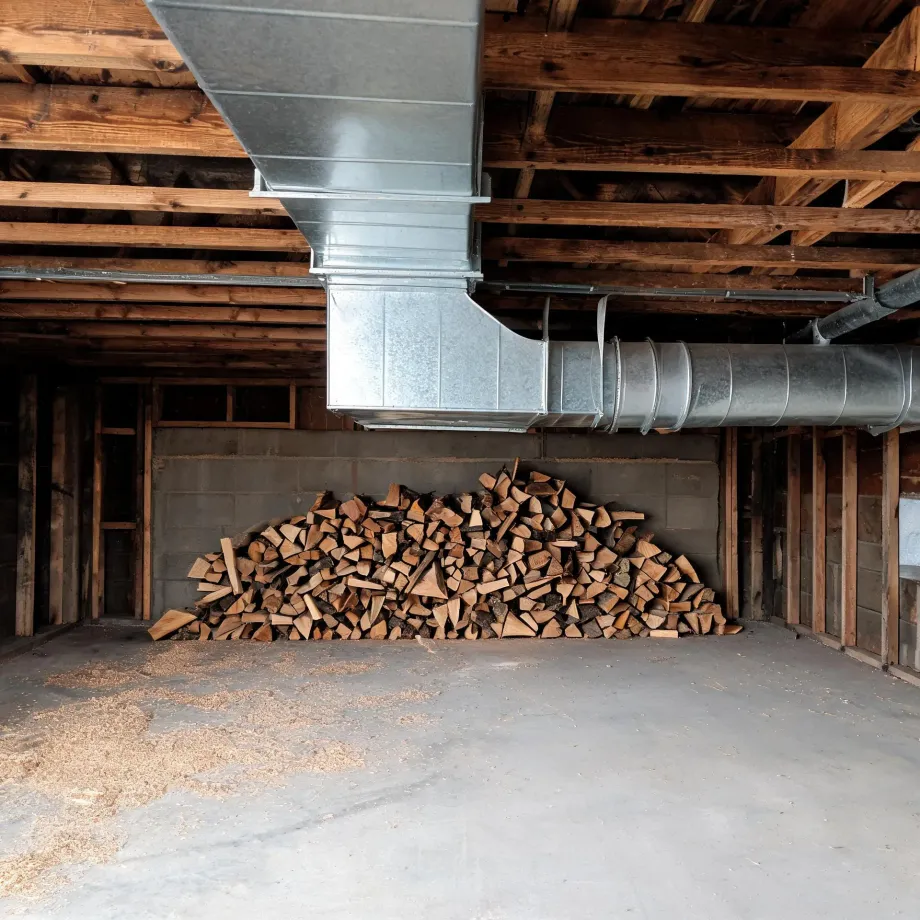
Ductwork in much of this county's housing was put in for systems that no longer exist in those houses, and what a contractor finds when they open the walls is infrastructure that has been patched to fit successive replacements rather than built for any one of them. Half the homes in Wheatland County, Montana were built in 1958 or earlier (2020-2024 ACS 5-year). A water heater installation here asks whether the existing supply lines, venting path, and electrical service match what the new unit actually requires, and the answer comes from what is in the house, not from the permit date. Those conditions vary house to house, which is why a contractor prices the job after the walk-through.
What a Water Heater Installation Covers
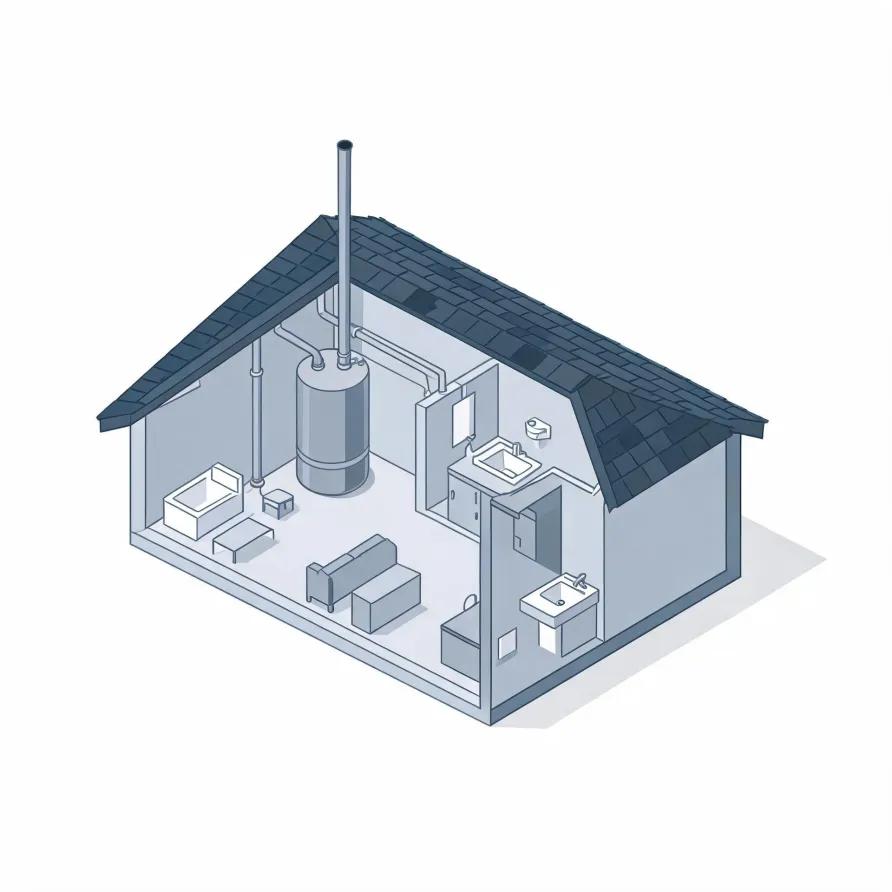
The tank or tankless unit is the heart of the system. A storage tank sits in a utility closet, basement, or garage and holds a ready supply of hot water. A tankless unit mounts to a wall in the same spaces and heats water only when a tap opens.
A pressure relief valve attaches directly to the tank and releases if pressure inside climbs too high. Cold supply lines bring water in, hot lines carry it out to every fixture, and a dedicated gas line or electrical circuit feeds the burner or heating element that does the actual work.
The drawing shows a general layout of these components, and a licensed contractor determines what applies to your specific home.
Find a contractor in Wheatland CountyWheatland County, by the numbers
250 severe weather events were recorded in Wheatland County, Montana between 2015 and 2024.
NOAA National Centers for Environmental Information, Storm Events Database, bulk CSV export, events 2015-01-01 through 2024-12-31.Half the homes in Wheatland County, Montana were built in 1958 or earlier (2020-2024 ACS 5-year).
U.S. Census Bureau, 2020-2024 American Community Survey 5-Year EstimatesWheatland County, Montana holds 1,161 housing units (2020-2024 ACS 5-year).
U.S. Census Bureau, 2020-2024 American Community Survey 5-Year EstimatesOwners occupy 75.5% of the occupied homes in Wheatland County, Montana (2020-2024 ACS 5-year).
U.S. Census Bureau, 2020-2024 American Community Survey 5-Year EstimatesSevere Weather Events in Wheatland County
Weather patterns in this part of Montana put real demands on water heating equipment. How hard a system works over its life is a local question, and storm history is part of that picture.
250 severe weather events, 2015–2024. Source: NOAA National Centers for Environmental Information, Storm Events Database.