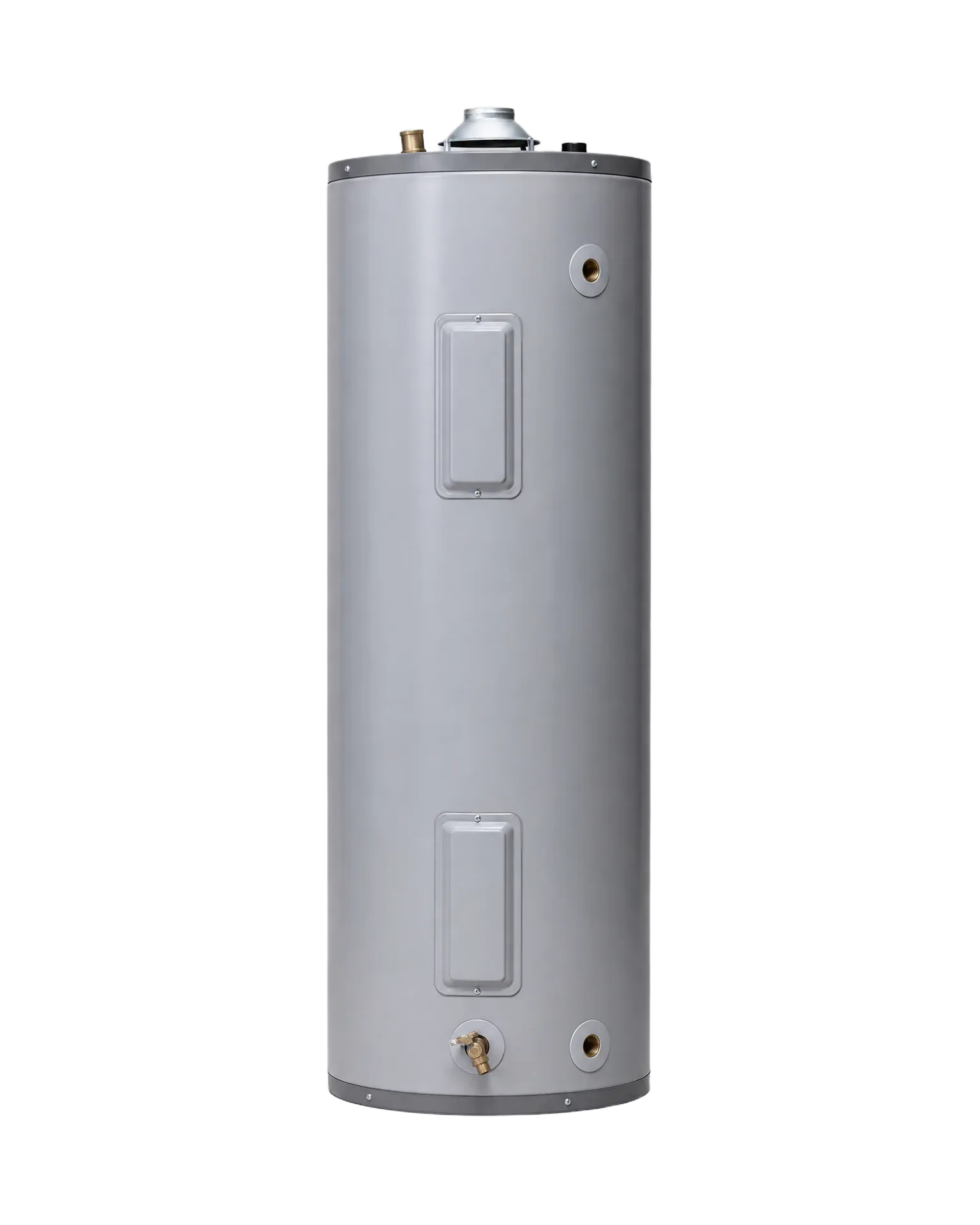
Why is my hot water lukewarm instead of hot?
Lukewarm water is one of those things you notice right away, usually mid-shower. It doesn't mean the system is dead, just that something's off, and it's worth figuring out before it turns into no hot water at all. With gas being the common setup in most Montana homes, the usual suspects are a little different than in a house running on electric.
Usually a burner or igniter problem, not a dead unit
Lukewarm water from a gas water heater usually means the burner isn't staying lit long enough to heat the full tank, or the thermocouple is reading the flame wrong and cutting gas before the water gets hot. Sediment sitting on the bottom of the tank can also get between the burner and the water, so the flame is working but the heat isn't reaching the top of the tank where you draw from. With gas being the standard setup here, a burner or igniter issue is the more likely cause than anything electrical. It's rarely the thermostat setting alone. Worth checking before it turns into no hot water at all.




Gas or Electric: Where to Look
Gas Water Heater
- A pilot light that won't stay lit points to a bad thermocouple, and that's a part a contractor can swap out.
- If the burner flame looks weak or yellow instead of steady blue, the gas valve or the burner itself may need attention.
- Sediment settled on the bottom of the tank sits between the burner and the water, so the flame heats the tank instead of what's inside it.
- A gas valve that's failing can still light the burner but not hold it at full output, which shows up as water that's warm but never hot.
- Since most homes in Montana run on gas, a technician who works on these systems regularly will recognize the pattern fast.
Electric Water Heater
- Two heating elements do the work in most electric tanks, and if the upper one fails, you'll still get some warm water from the lower element alone.
- A tripped high-limit switch will shut off power to the elements even though the breaker itself looks fine.
- Because power is cheap here, an electric water heater running constantly to chase a failing element won't show up fast on the bill.
- Sediment buildup burns out a lower element faster than an upper one, since heat and mineral deposits settle at the bottom of the tank.
- Testing the elements with a multimeter is the only reliable way to tell which one has failed, since both can look fine from the outside.
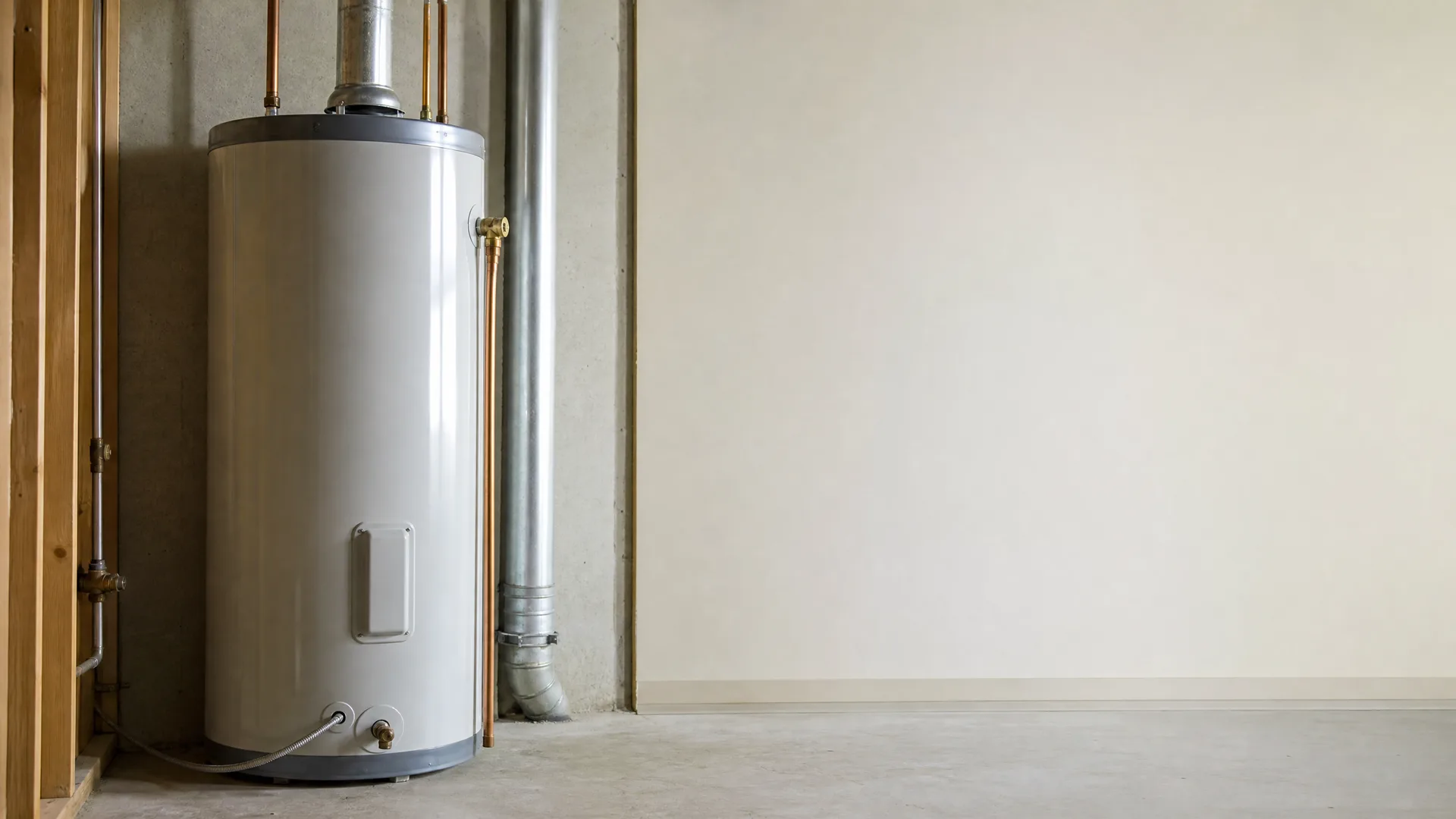
Gas burners and cold intake water
Most homes in Montana heat water with gas, and a gas water heater brings in cold intake water straight from the main. In winter that water starts out colder than it does in July, so the burner has to run longer to reach the same setting on the dial. If the thermostat is set low to begin with, that gap shows up fast as lukewarm water instead of hot.
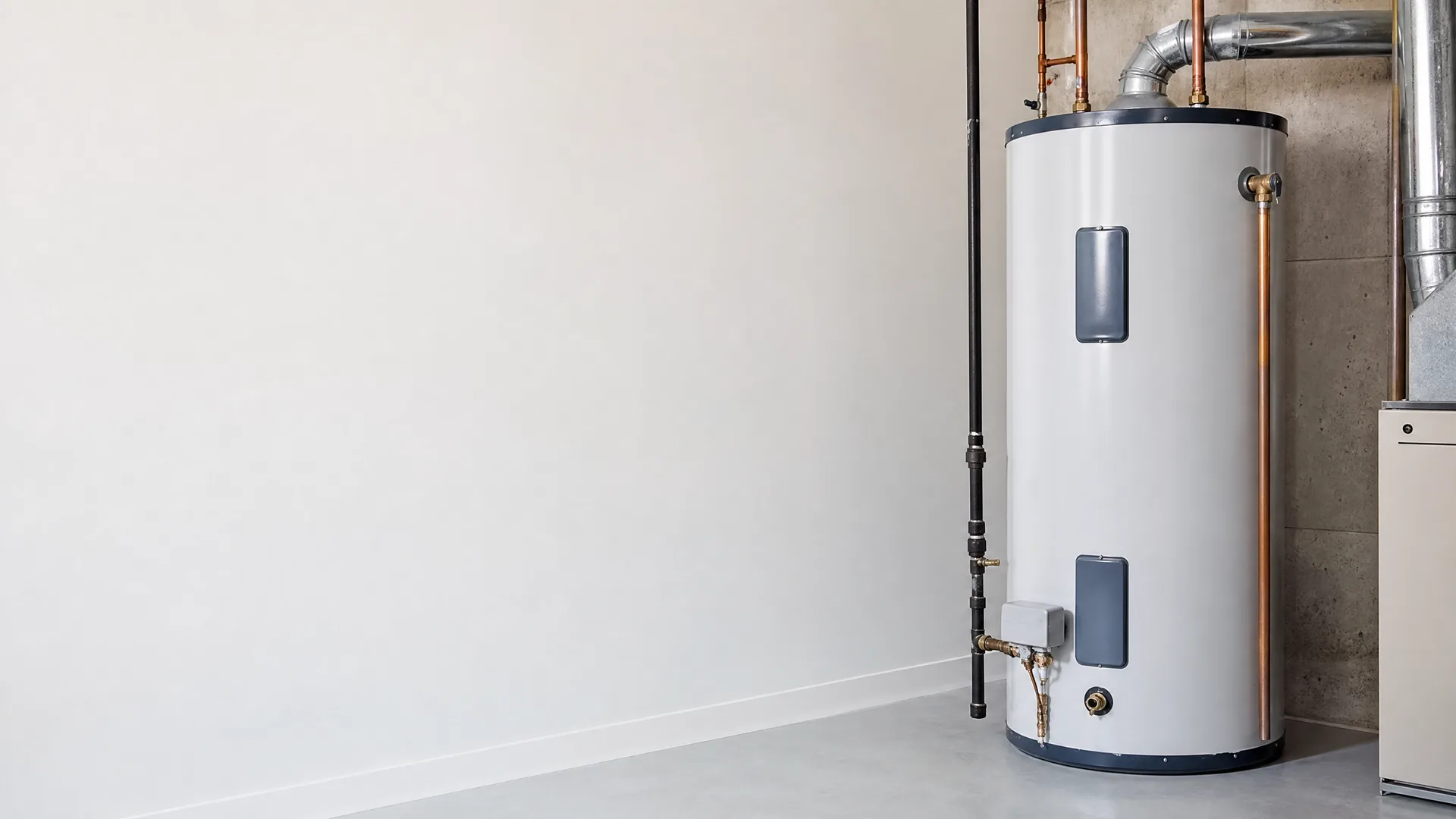
Sediment sitting on the burner
Sediment that settles at the bottom of the tank sits between the burner and the water above it. That layer has to heat through before the water does, and a thick layer can keep the burner running without the tank ever reaching its set temperature. A tank that's gone a long time without being flushed is more likely to show this problem first in the water that comes out lukewarm.
Is my water heater about to stop working altogether
Lukewarm water that's gotten worse over the past few weeks is usually a system on its way to giving you no hot water at all. If you're turning the handle further each day just to get the same warmth, or waiting longer for it to show up, that's the trend to watch. A gas burner that won't stay lit, or lights with a weak yellow flame, can go out completely without warning, leaving you with a tank full of cold water some morning. Rust-colored water or a popping sound from the tank are both signs that sediment has built up enough to affect the heating element or burner underneath it. None of these mean you're stuck boiling water on the stove, but they're worth catching before a weak flame becomes no flame.


The right pro for this job
One form replaces the calls you'd make to find a water heater pro.
Say what's going on with your water heater, and a pro who works on them reaches out.
No fee to send it, and nothing to sign.
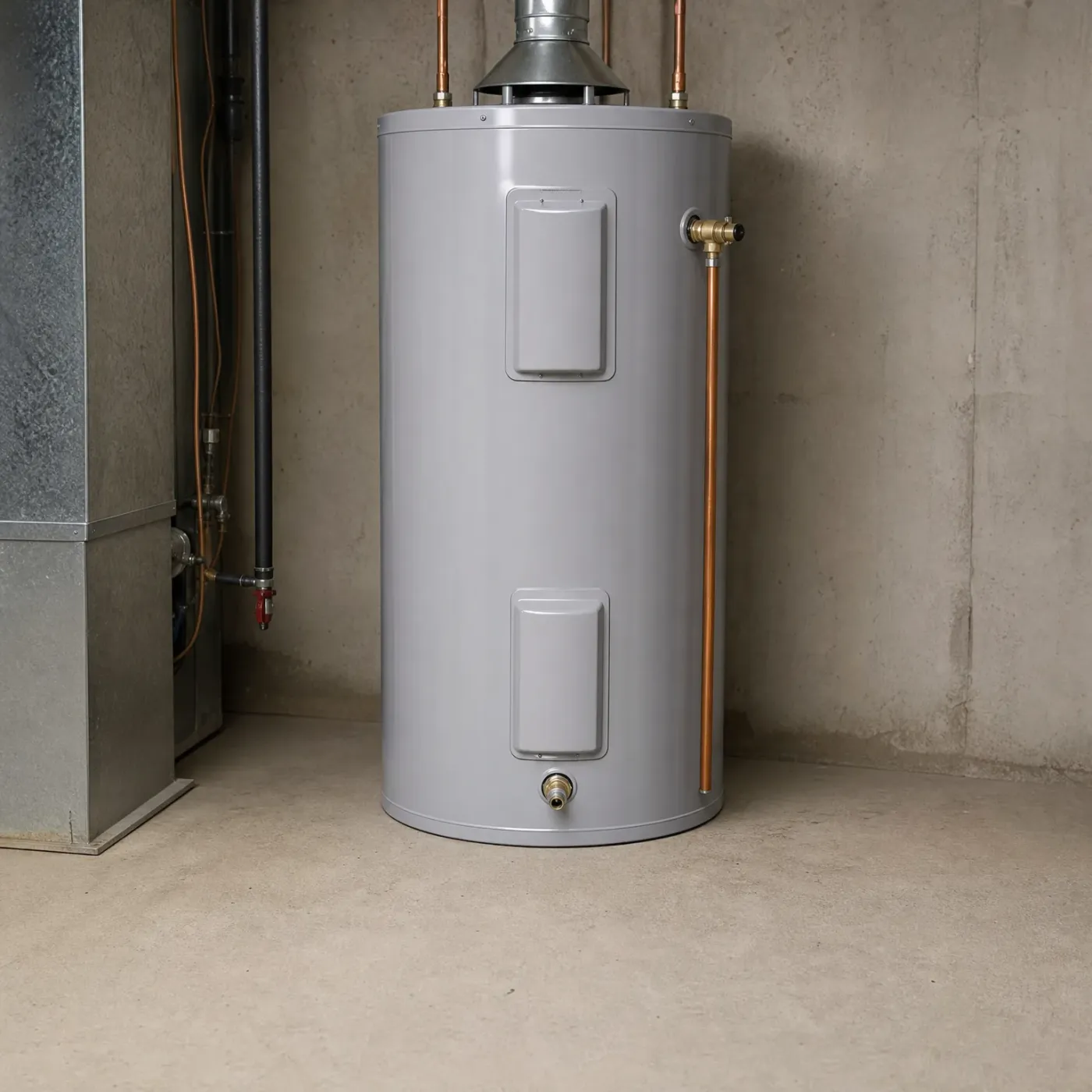
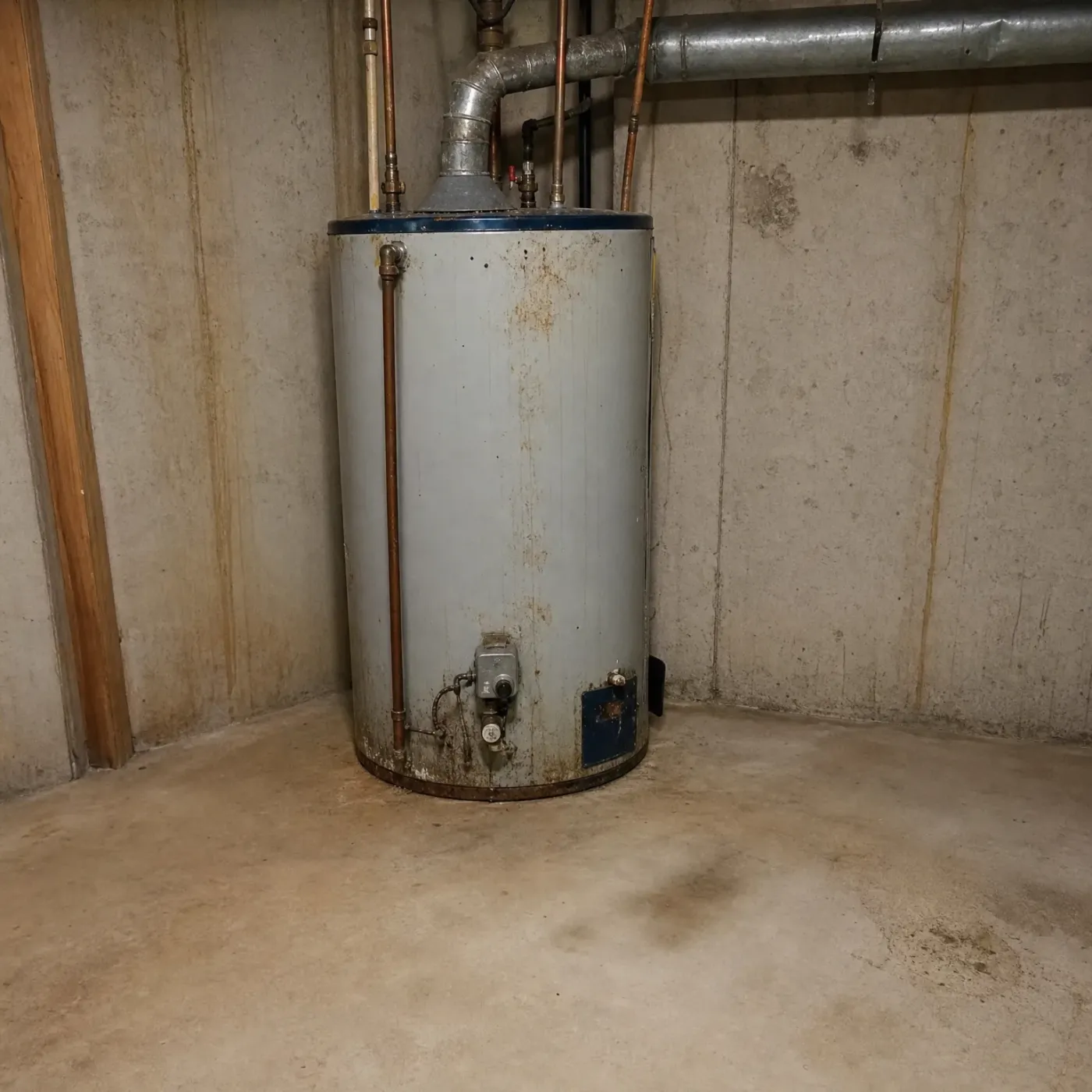
A gas water heater warms a full tank from the bottom up, with a thermostat called a gas control valve checking the water temperature and opening to send gas to the burner when it drops too low. That burner heats the bottom of the tank, and the warmth rises through the water above it until the whole tank reaches the set point. If the thermostat's sensing bulb isn't reading the water correctly, or sits coated in sediment, it can tell the valve to shut off the gas before the tank is actually hot, and you end up with water that's warm but not hot. The same thing happens if the dip tube, the pipe that carries cold water down to the bottom of the tank, has cracked and is letting cold water mix in near the top, where the hot water draws out to your faucet. Either way, the burner is doing its job. Something upstream of it is cutting the cycle short or mixing cold back in.
50.5% of homes statewide heat with gas
With gas heating most homes here, chances are your water heater runs on it too. A gas burner that's cycling on and off instead of holding a steady flame will leave you with water that never quite gets hot, and that's a repair a contractor can usually sort out fast.
ACS 2020-2024 5-year B25040
What Lukewarm Water Tells You
- Lukewarm water almost always traces back to a thermocouple, a gas valve, sediment, or a thermostat, not a tank that needs replacing.
- A gas burner that won't hold a steady flame or a pilot that keeps going out is a repair, not a sign the water heater is finished.
- Checking each part yourself means pulling panels, testing a thermocouple, and guessing at a gas valve without the tools to confirm it.
- Finding someone licensed to work on gas lines means sorting through contractors, calling around, and explaining the same lukewarm water problem more than once.
- Getting matched with a contractor who handles water heater repair skips that search and the back and forth of comparing quotes.
- A tank that's otherwise sound, with clean connections and no rust, is usually a quick fix for someone who knows where to look.
Lukewarm water points to a handful of parts: a thermocouple that won't hold the pilot, a gas valve that's not opening right, a thermostat reading wrong, or sediment sitting between the burner and the water above it. None of that means the tank is done. It means something specific is off, and a contractor who works on gas water heaters can usually find it fast once they're standing in front of it.
Getting to that point is the part that takes the time. Pulling the access panel, testing a thermocouple with a meter, checking whether the burner flame sits blue and steady or weak and yellow, these aren't jobs most people have the tools or the experience for. And once you know something's wrong, there's still the matter of finding someone licensed to touch a gas line, not just any handyman. That usually means calling a few places, explaining the same problem each time, waiting on quotes, and trying to tell which one actually knows gas water heaters from the one that's guessing.
Getting matched with a contractor skips that part. You explain the lukewarm water once, and the right person reaches out instead of you working down a list. The tank itself, if it's otherwise sound, clean connections, no rust working through the jacket, is usually looking at a straightforward repair. The part that was dragging this out wasn't the water heater. It was finding someone to go look at it.

Water Heater Repair
Matched to your water heater job

- Describe your water heater job, and a local pro who handles it gets in touch.

- Send the request today and stop worrying about who to call.
- Send the request today and let a water heater pro reach out to you.

- Answer a few questions instead of calling shop after shop.
- Describe your water heater job once, to one pro.

- The pro who reaches out is licensed in Montana.
- Only one pro gets your request, so you hear from one company.