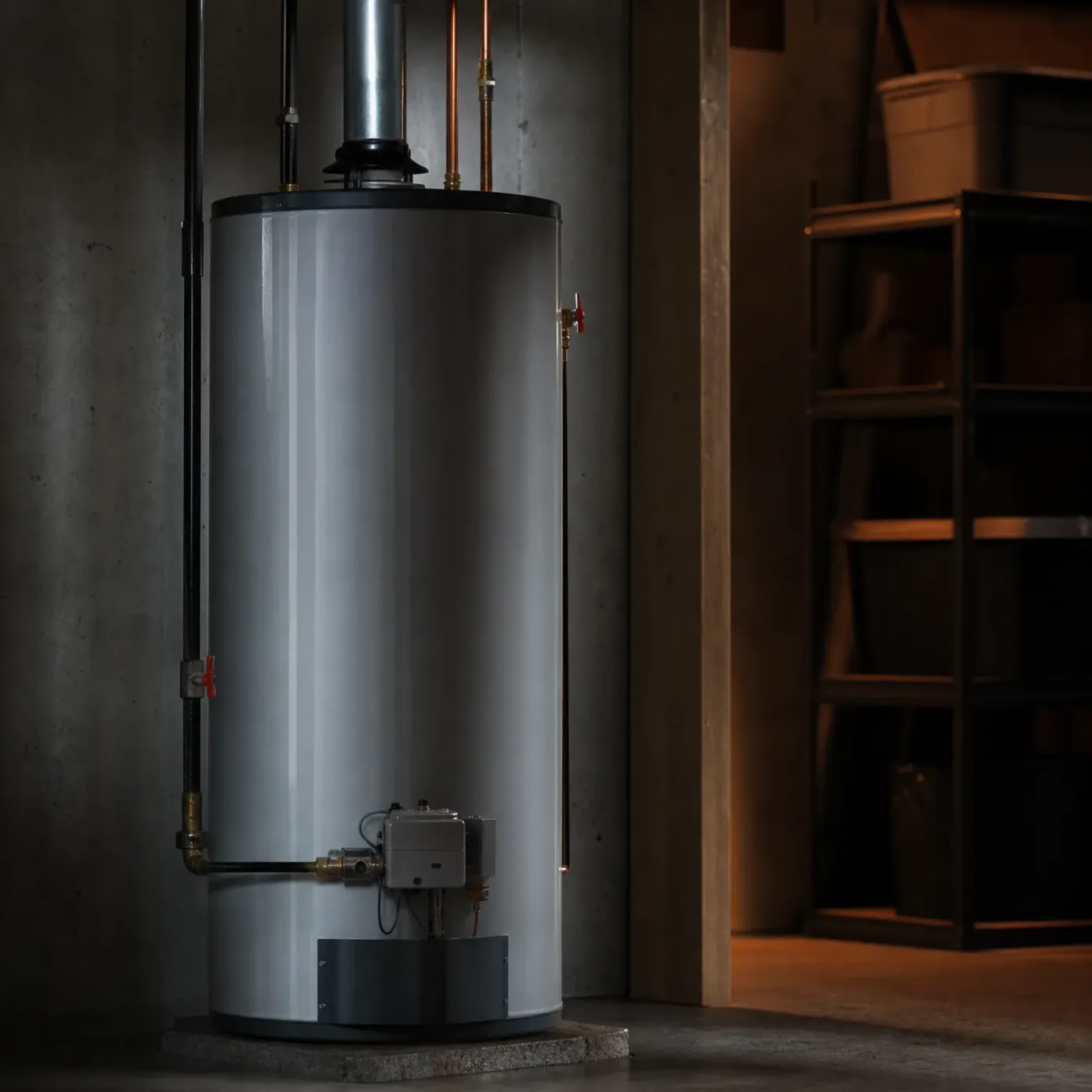




A large gray cylindrical gas water heater with copper and black pipes and a flue stack, standing on a concrete pad against a concrete wall, with a dark metal shelving unit in the background.

Matched to your water heater job

Water heater pilot light keeps going out in Montana

A pilot that won't stay lit usually comes down to the thermocouple, a draft in the vent, or dirt in the gas line, and figuring out which one means someone looking at the unit in person. This page gets into what tends to cause it. Answer a few questions and a contractor who covers your area will follow up, so you're not stuck relighting it every morning.

Find a water heater pro

A pilot that keeps going out almost always means the thermocouple has worn out. That's the small copper rod that sits in the pilot flame and tells the gas valve the flame is lit. Once it weakens, the valve shuts the gas off as a safety measure, even though the pilot was burning fine moments before. On older units this is the most common cause by far. The other possibility is a draft reaching the pilot, either from a vent that isn't drawing right or from air moving through the space where the water heater sits. Dirt or soot clogging the pilot opening can cause the same problem, and it tends to show up on tanks that haven't been serviced in a while. None of these fix themselves, and relighting the pilot over and over just delays dealing with whichever one it is. Figuring out which cause applies to your water heater means someone looking at the thermocouple, the vent, and the pilot assembly directly.

A smiling man in a dark navy sweater sits on a light sofa in a living room, with a glass bowl of popcorn on a wooden coffee table and bookshelves behind him.
A smiling man in a dark green sweater sits on a tan leather sofa in a dimly lit living room, with a bowl of popcorn in the foreground and a kitchen area blurred behind him.
A smiling middle-aged man in a dark shirt sits on a gray sofa in a living room, with a bowl of popcorn on a side table and shelves, a window and kitchen area behind him.
A smiling bearded man in a dark gray t-shirt sits on a gray couch in a living room, with a large glass bowl of popcorn on a wooden table in the foreground.

Heat is what wears a thermocouple down. It sits in the pilot flame day after day, year after year, and eventually it stops sending a strong enough signal to keep the gas valve open. You'll often see it coming first: the flame looks thin, or more yellow than blue, before the pilot starts going out on its own. Some water heaters use a flame sensor or thermopile instead of a thermocouple, and either one can wear out the same way and cause the same problem. Not every cause is the part itself though. A draft getting in through the vent, or a cover that isn't seated right, can snuff the pilot out even when the thermocouple is still good. So can dust or soot sitting around the pilot opening, choking the flame down until it can't stay lit. Holding the gas control knob in longer than the instructions call for might get the pilot to catch, but if the thermocouple is worn, it will only buy a little time before the same thing happens again.

Why the Pilot Won't Hold

  • The thermocouple sits right in the pilot flame, and heat alone is what wears it out over years of normal use.
  • A flame that looks small or more yellow than blue often means the thermocouple isn't heating up enough to hold the gas valve open.
  • Some water heaters use a flame sensor or thermopile instead, which does the same job but can fail the same way.
  • A draft reaching the pilot through the vent or a loose cover can blow the flame out even when the thermocouple is fine.
  • Dust or soot built up around the pilot opening can choke the flame enough that it won't stay lit on its own.
  • Holding the gas control knob down longer than the instructions say rarely fixes a worn thermocouple, it only delays the next time it goes out.
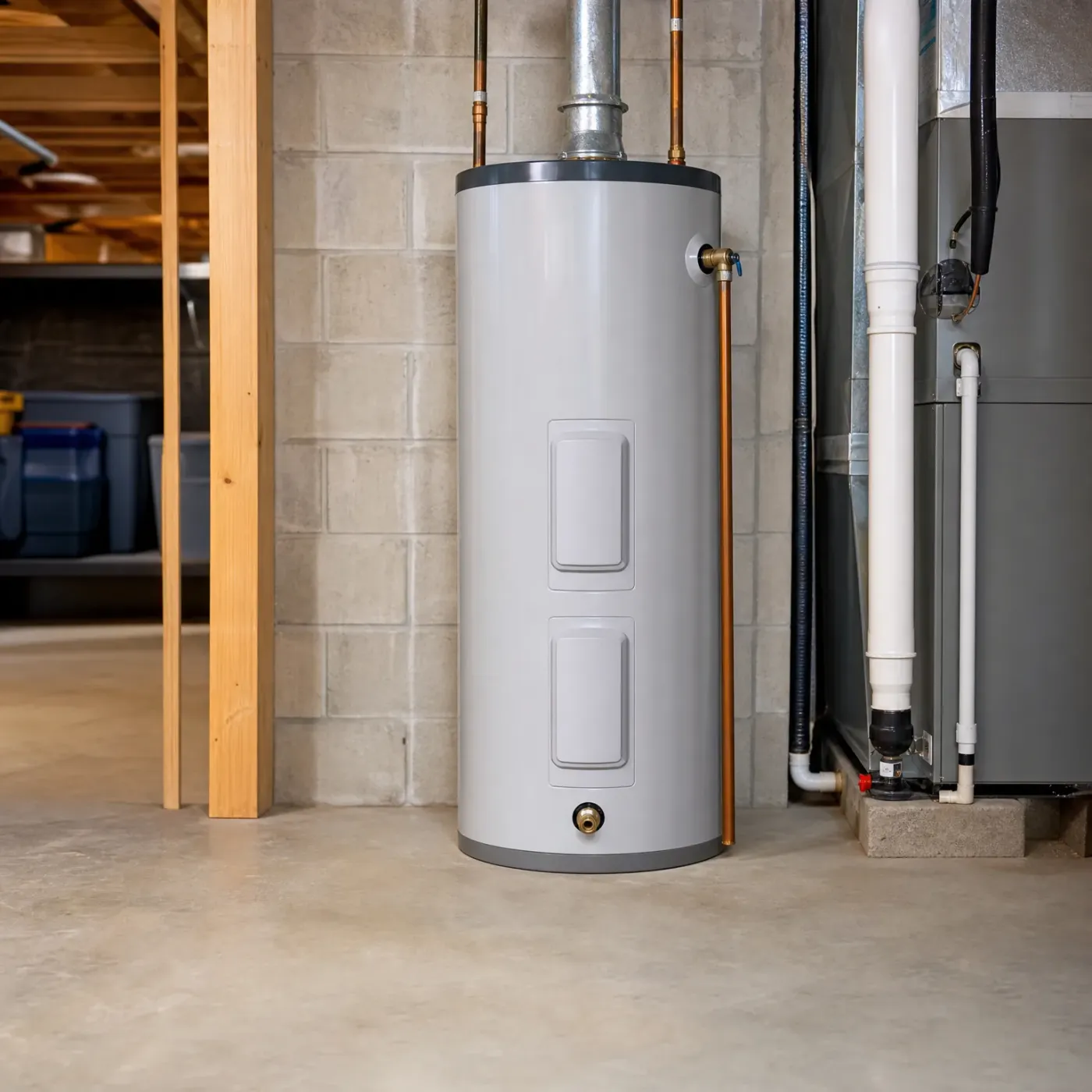
A gray cylindrical water heater with copper pipes stands against a concrete block wall in a basement, next to white PVC piping and a gray furnace, with wood framing and storage bins at left.
A water heater holding a steady pilot keeps your gas valve open and your hot water running without a second thought.
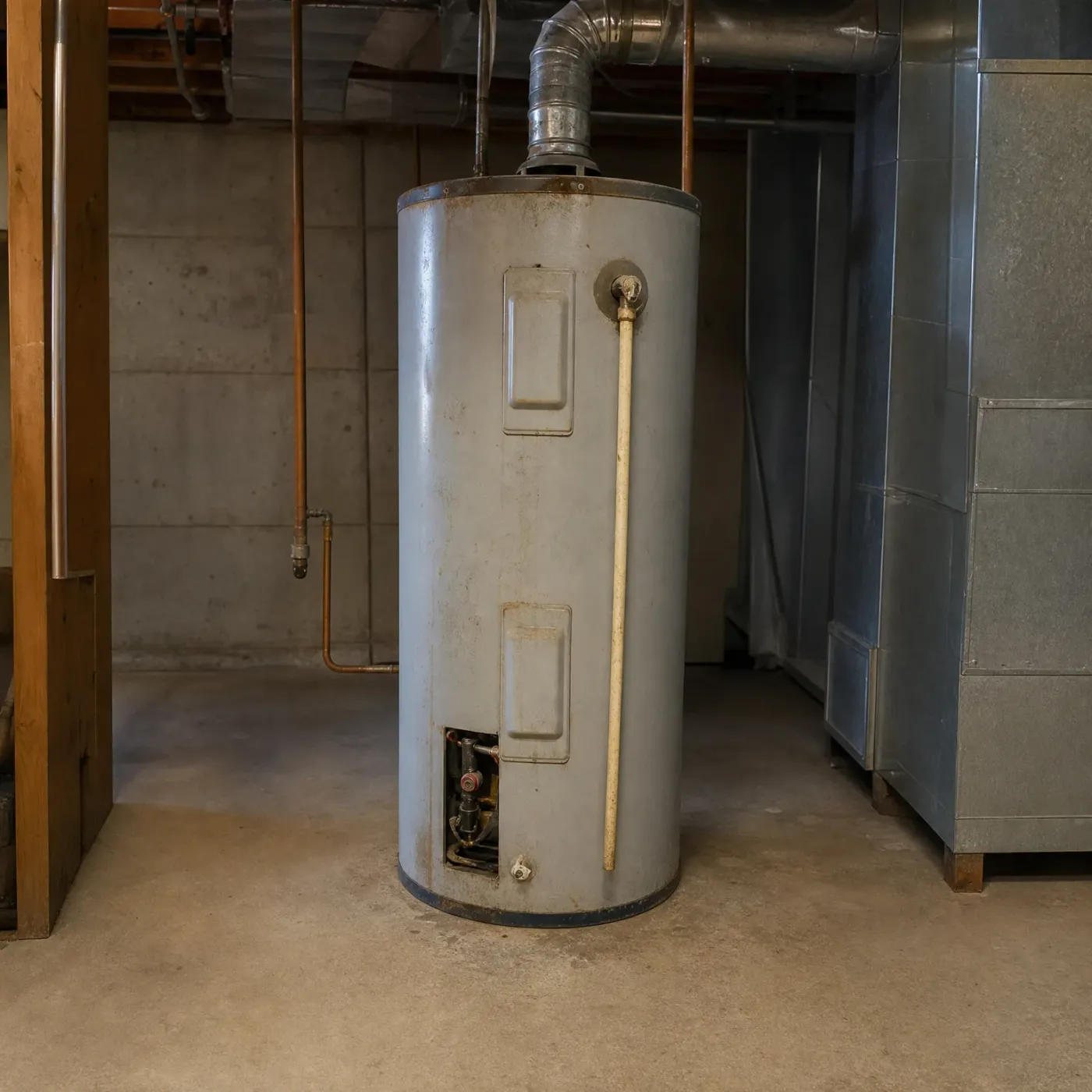
An older gray gas water heater with a metal flue pipe stands on a concrete basement floor beside ductwork and exposed copper piping.
Rust on the tank and a flickering pilot together point to a unit that needs a technician's look, not another relight.

Why does your pilot light keep blowing out?

You relight it, it holds for a day or two, then you go down for a shower and the water's cold again. Maybe you've noticed the flame looks thin and yellow instead of a steady blue, or you hear a faint click from the gas valve right before it cuts out. Some households start relighting it every few days without thinking much of it. Left alone, a water heater that won't hold a pilot just stops giving you hot water when you need it, and a weak thermocouple that keeps failing to signal the valve is a sign the unit needs a real look, not another match.

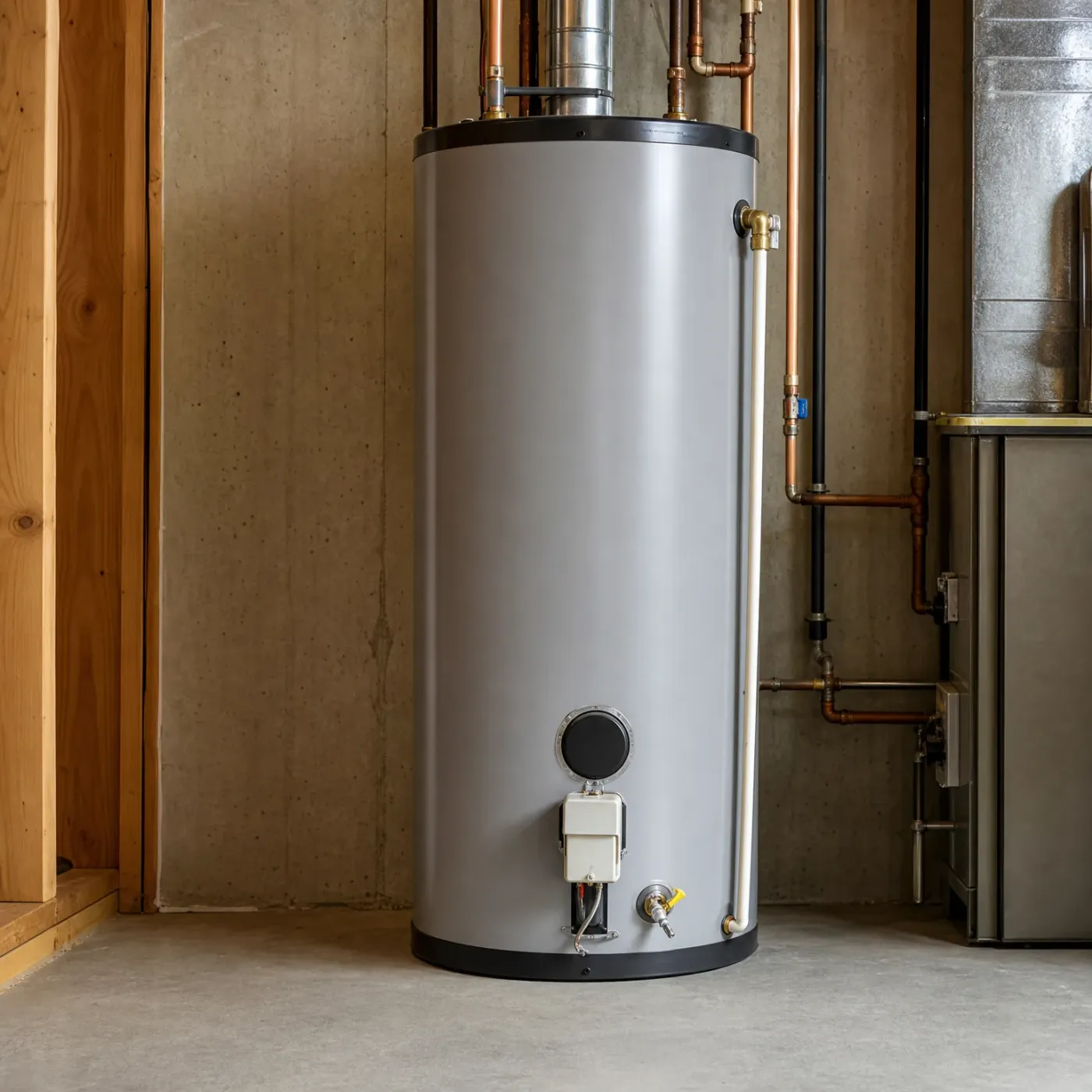
A gray cylindrical water heater stands on a concrete floor against a concrete wall, with copper and black pipes running overhead and a metal duct and dark equipment cabinet to the right.

Pilot holding steady

This is what a working unit looks like. The copper lines run clean, the flue draws straight up, and the gas valve box sits undisturbed. A steady pilot means the thermocouple is still reading the flame right and shutting nothing off.
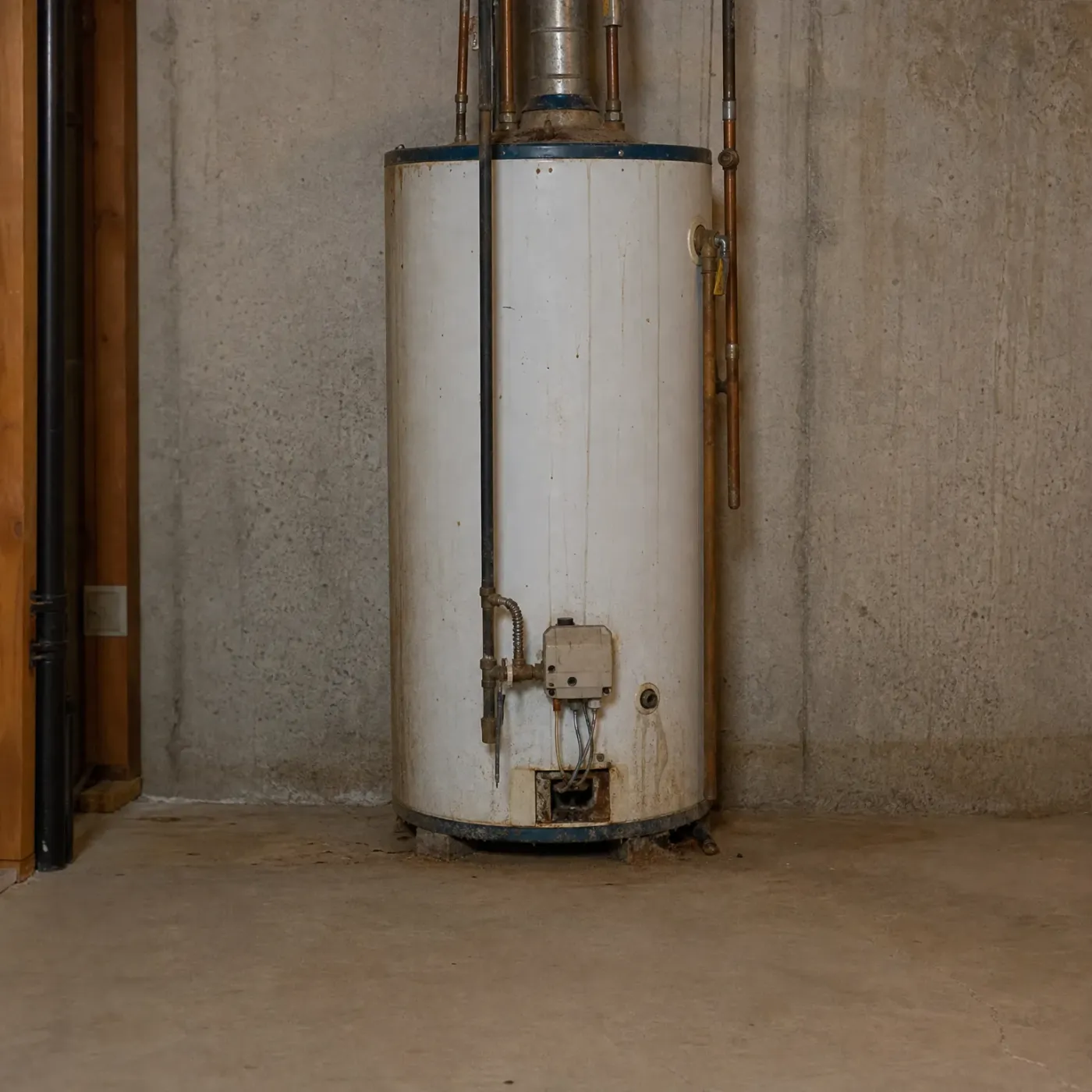
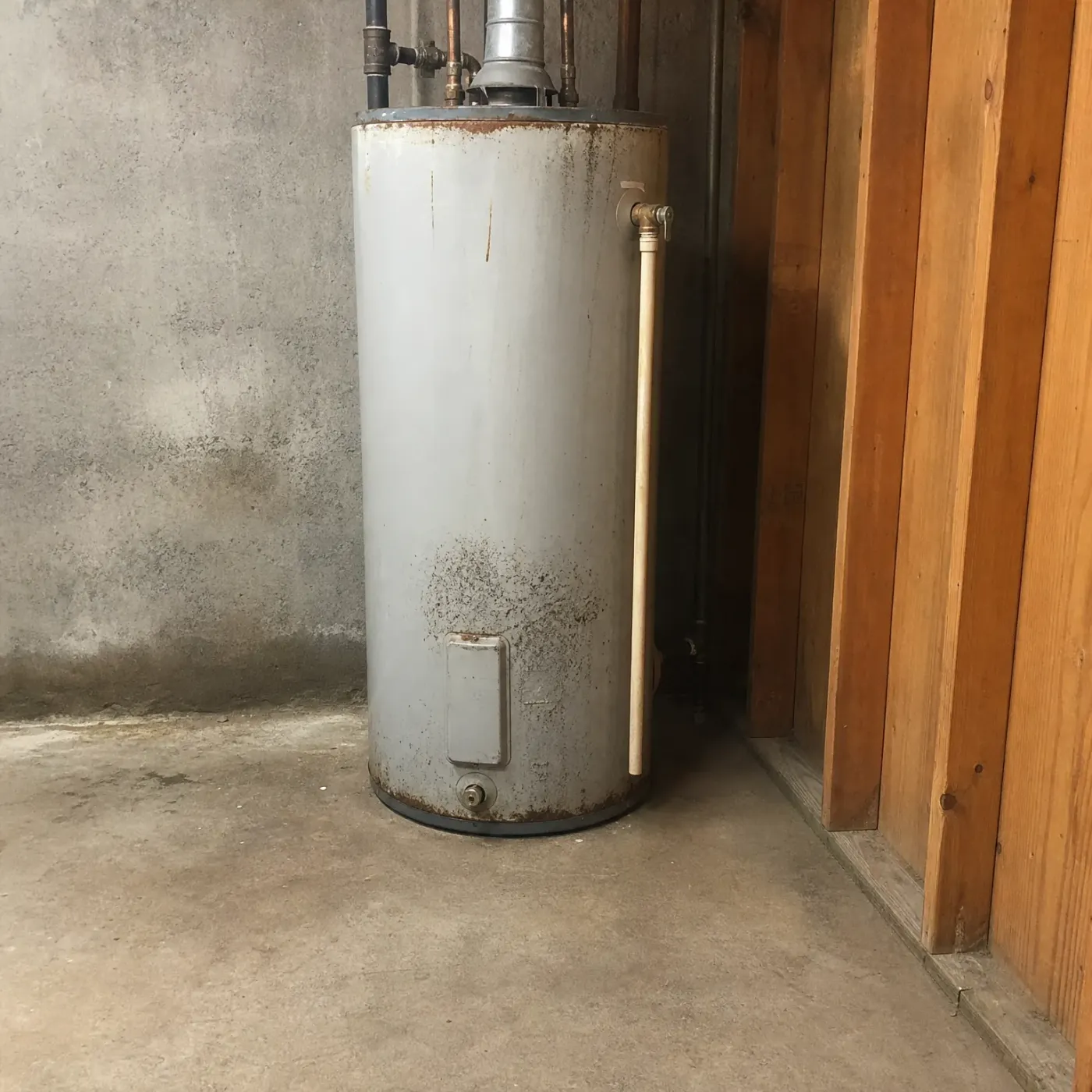
An old white gas water heater with rust stains, copper pipes and a flue stands in the corner of a concrete-walled room with a bare concrete floor and a wooden door frame at left.

Rust and a weak flame

Rust streaks down the tank, the flue pipe is corroded at the top, and the paint has worn through in spots. A unit this old is more likely to have a thermocouple that can't hold the valve open, and the pilot going out again points to that.

A rusting gray cylindrical water heater with copper pipes and a drain tube stands on a concrete floor against a concrete wall beside vertical wood paneling.
Before you get your water heater repair
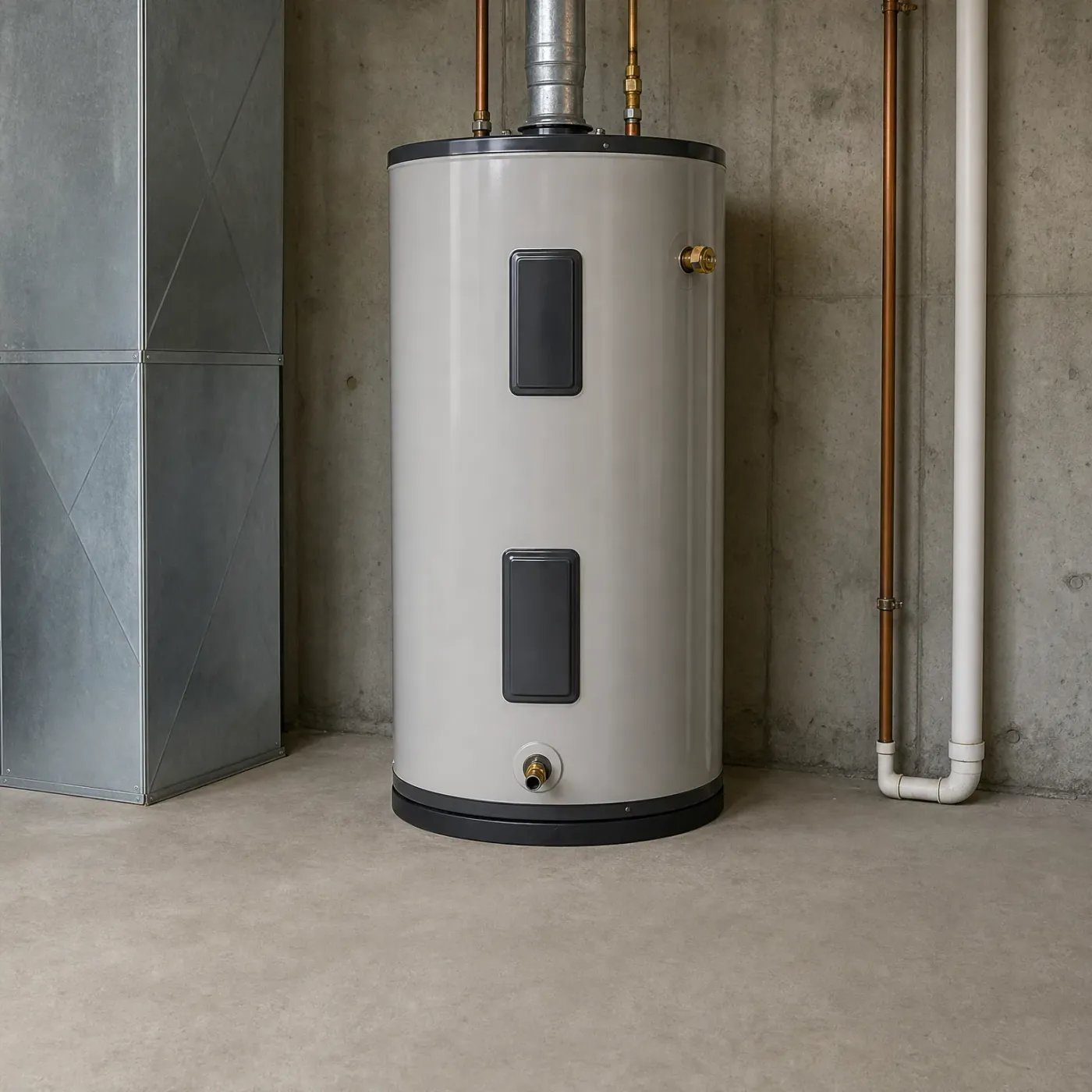
A cylindrical beige water heater with two dark access panels stands on a concrete floor against a concrete wall, with copper and white pipes to the right and sheet-metal ductwork to the left.
After you get your water heater repair

A water heater pro near you

Send the request today and let a water heater pro reach out to you.

It costs nothing to send, and you don't have to hire anyone.

Why the pilot shuts off at all

The gas valve on your water heater is built to cut off fuel the moment it can't confirm a flame, and that's by design. The thermocouple is the part doing that confirming. When it reads heat from the pilot, it holds a small electrical circuit closed and the valve stays open. Let that reading drop, even for a second, and the valve closes on its own. Nothing is broken when that happens. It's a safety feature working exactly as it should, which is also why relighting the pilot doesn't fix a thermocouple that's already worn past the point of giving a reliable reading.

What dry Montana air adds to it

A pilot flame depends on steady airflow through the burner compartment and up the vent, and a draft can pull or bend that flame away from the thermocouple just enough to throw off its reading. Dry conditions don't wear out a thermocouple any faster, but a drafty utility closet or a vent that isn't drawing right will make a weak thermocouple act up sooner than it otherwise would. That's part of why two water heaters of the same age can behave differently, and why the vent and the flame itself are worth a technician checking alongside the part itself.

50.5% of homes statewide heat with gas

Gas is how most homes in Montana keep water hot, yours probably included. That means a pilot light and a thermocouple doing the work, year after year. When that part wears out, gas is cut off and the water goes cold until someone replaces it.

ACS 2020-2024 5-year B25040

  1. Pilot flame heats the thermocouple tip continuously

  2. Thermocouple sends a small electric signal to the gas valve

  3. Gas valve stays open as long as it gets that signal

  4. Signal weakens or stops, valve shuts the gas off

A woman in a dark gray sweater reclines on a light sofa with eyes closed and a slight smile, under a textured gray blanket with an open book resting on her lap, with a lit table lamp and plant in the background.
A smiling bearded man in a navy crewneck sweater sits at a dinner table with a glass of red wine, plates and glasses in the foreground, in a dimly lit room with a lamp and framed picture behind him.

What a dead pilot tells you

  • A thermocouple that won't hold a flame is a worn part, not a sign you did something wrong relighting it.
  • A steady blue pilot means the gas valve is reading the flame correctly and staying open on its own.
  • A thin yellow flame or a cold tank after a day or two both point back to the same worn part.
  • Rust on the tank changes the job from a relight to a repair a technician needs to see in person.
  • Montana homes run gas water heaters through the cold months, so a dead pilot means cold water fast.
  • Once you send the form, finding someone to look at it is off your plate.

A pilot that won't stay lit is almost always the thermocouple giving out. It's a part made to wear down after years of sitting in a flame, and when it goes, the gas valve does exactly what it's supposed to do and shuts off. Relighting it yourself buys you a day, maybe two, before the same thing happens again, because the part that reads the flame is still worn. A flame that burns thin and yellow instead of a solid blue is telling you the same thing a cold tank is: the thermocouple isn't sending a strong enough signal to hold that valve open. Rust on the tank changes what you're dealing with. At that point it isn't a relight anymore, it's something a technician needs to look at directly, because rust can point to a leak the pilot has nothing to do with. Winters in Montana don't leave much room for a water heater to sit broken. Gas is how most homes here keep water hot, and a pilot that won't hold means cold water the same day it happens, not eventually. The fix itself is straightforward once someone's looked at the unit. What's harder from where you're standing is knowing which part is actually failing and getting the right person out to replace it. Send the form and that part of the job moves off your plate. You won't be the one tracking down who's available or whether they do this kind of repair. That search is handled for you from here.

A dark gray cylindrical water heater with copper pipes at its top stands against a concrete basement wall, with wooden shelving and framing in the foreground at both edges.

A local pro for your water heater repair

Get the water heater repair search off your mind today.

Step 1 of 3: Equipment