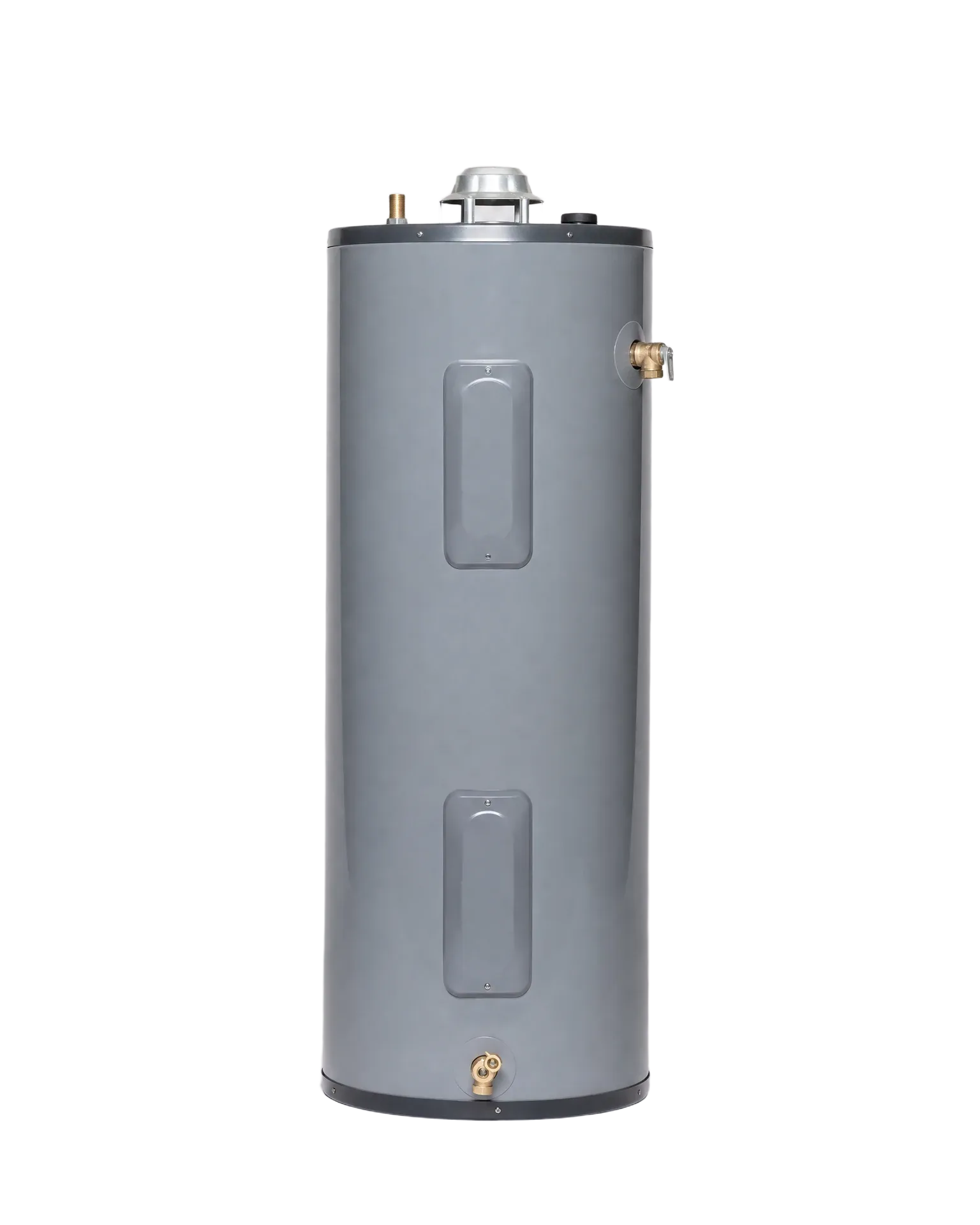
A heat pump water heater can work in Montana, but it is not a clean win the way it is in warmer states. These units pull heat out of the air around the tank, so they run best in a warm space, and most Montana basements and utility rooms sit cold for a good chunk of the year. In a cold spot the unit leans on its electric backup element more often, which erases a lot of the savings you're buying it for. Where it does make sense is a heated utility room or a garage that stays above the 40s through winter, or as backup to a gas system that still does the heavy lifting on the coldest months. Since most homes here heat with gas and power is cheap, the payback math is slower than what you'll see quoted nationally. It's worth it in the right space. It's a bad fit in an unheated one.
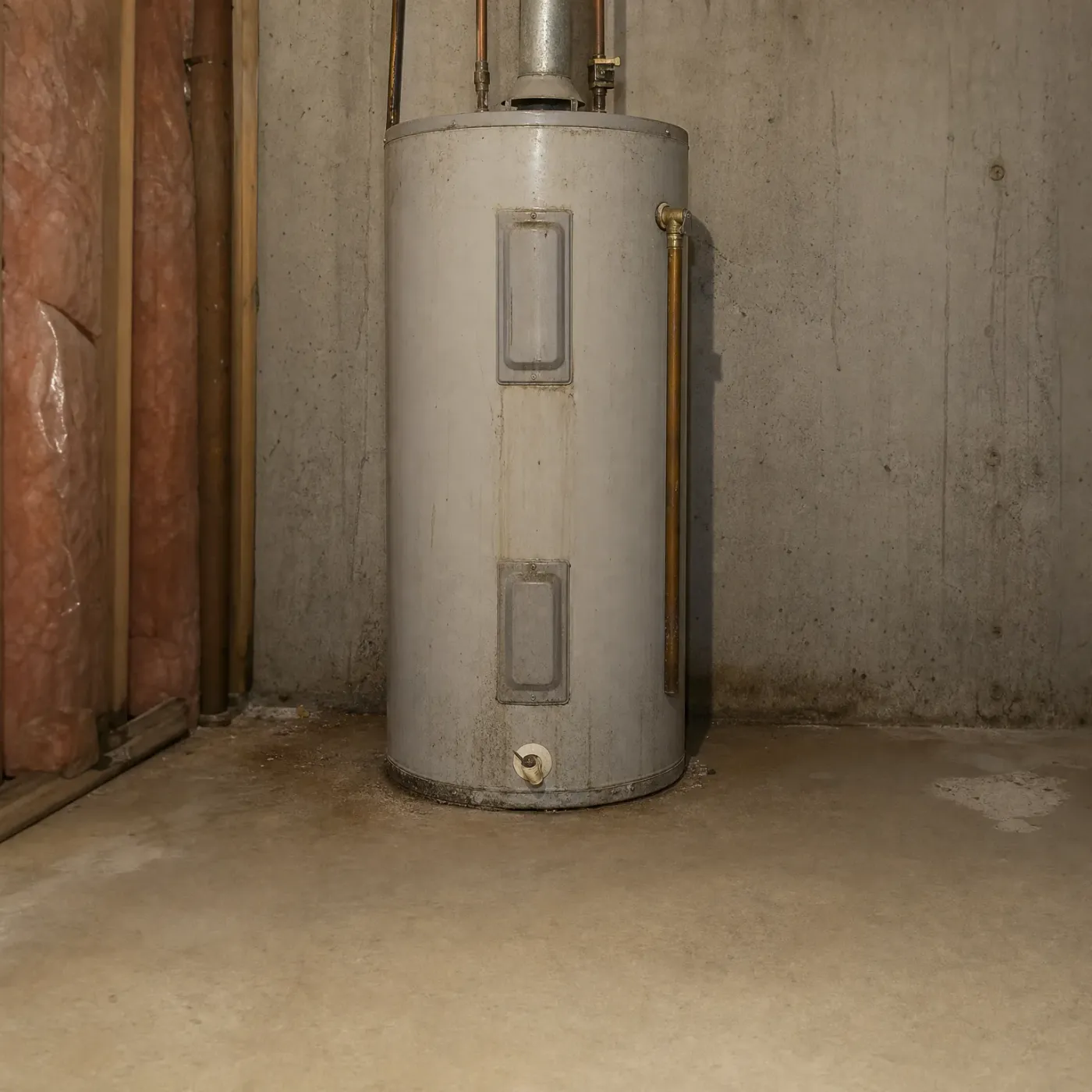
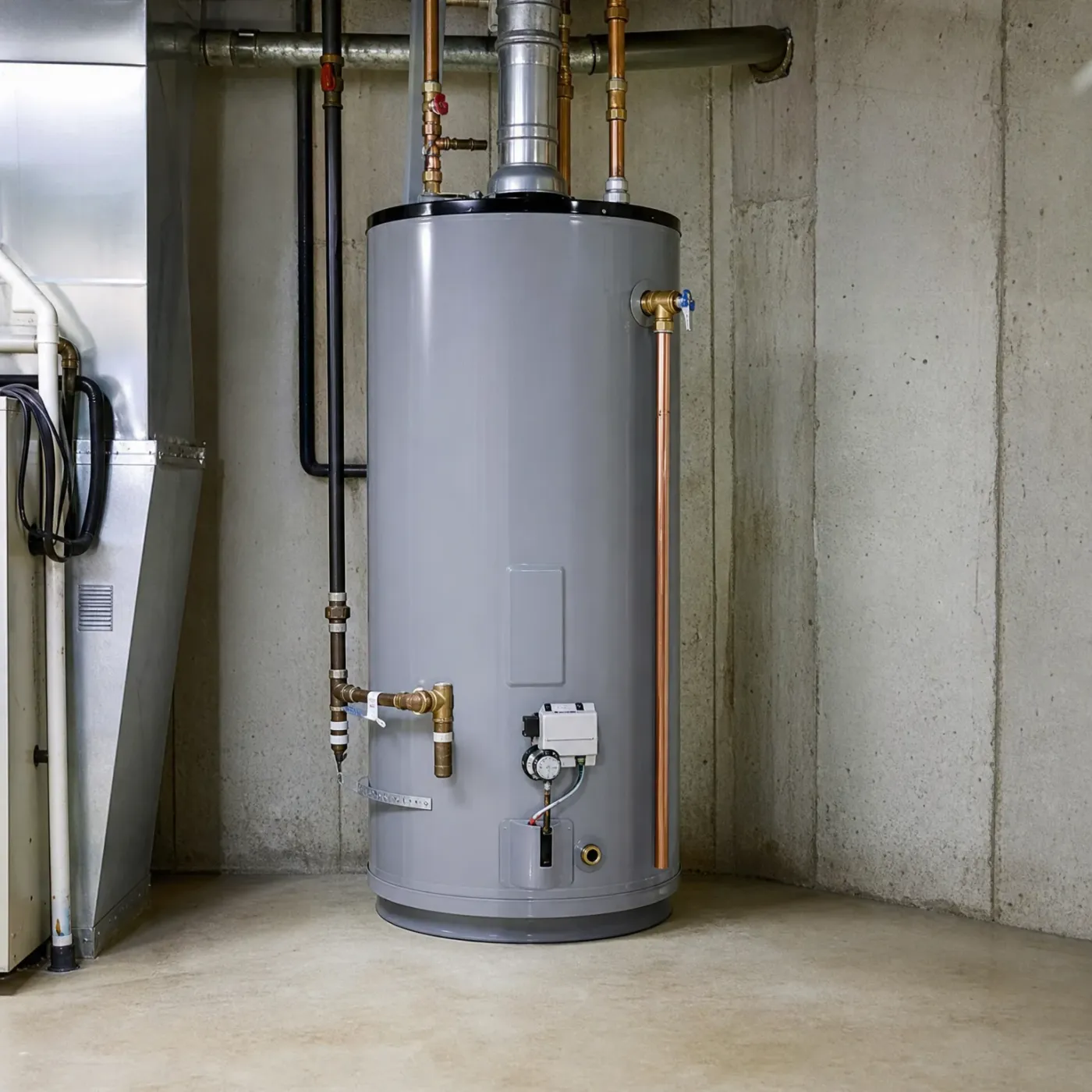
How a Heat Pump Water Heater Works
- A heat pump water heater pulls heat out of the room air and moves it into the tank instead of burning gas or firing a resistance element.
- The compressor and fan need space around the tank, usually a few hundred cubic feet of air, so a cramped closet will not work.
- Cold air comes out the top of the unit as it runs, which drops the temperature of the room it sits in.
- A resistance element inside the tank backs up the compressor when hot water demand is high or the room runs cold, so recovery holds up.
- Most of these units sit on a condensate line or a pan, since the process that pulls heat from the air also pulls moisture out of it.
- Running one in an unheated Montana basement through winter means it is drawing heat from air that is already cold, which slows it down.
A gas water heater makes heat by burning fuel. A heat pump water heater moves heat that already exists in the room air and puts it into the tank. A compressor and fan sit on top of the tank, pull air in, and run it over a cold coil. That coil grabs the heat out of the air and transfers it to the water below. The air that comes back out the top is colder than what went in, because the heat got pulled out of it on the way through.
That process needs room to work. The unit draws a few hundred cubic feet of air to run efficiently, so it belongs in a utility room or open basement area, not a closet with a door that shuts. It also pulls moisture out of the air as it runs, the same way an air conditioner does, which is why most installations include a condensate line or a pan to carry that water away.
Inside the tank, a standard resistance element still backs up the compressor. When someone runs the dishwasher and two showers in a row, or when the room around the tank is cold, the element kicks in to keep recovery times reasonable. In an unheated Montana basement in January, the unit is pulling heat from air that has little to spare, so it leans on that backup element more than it would in a warm room.
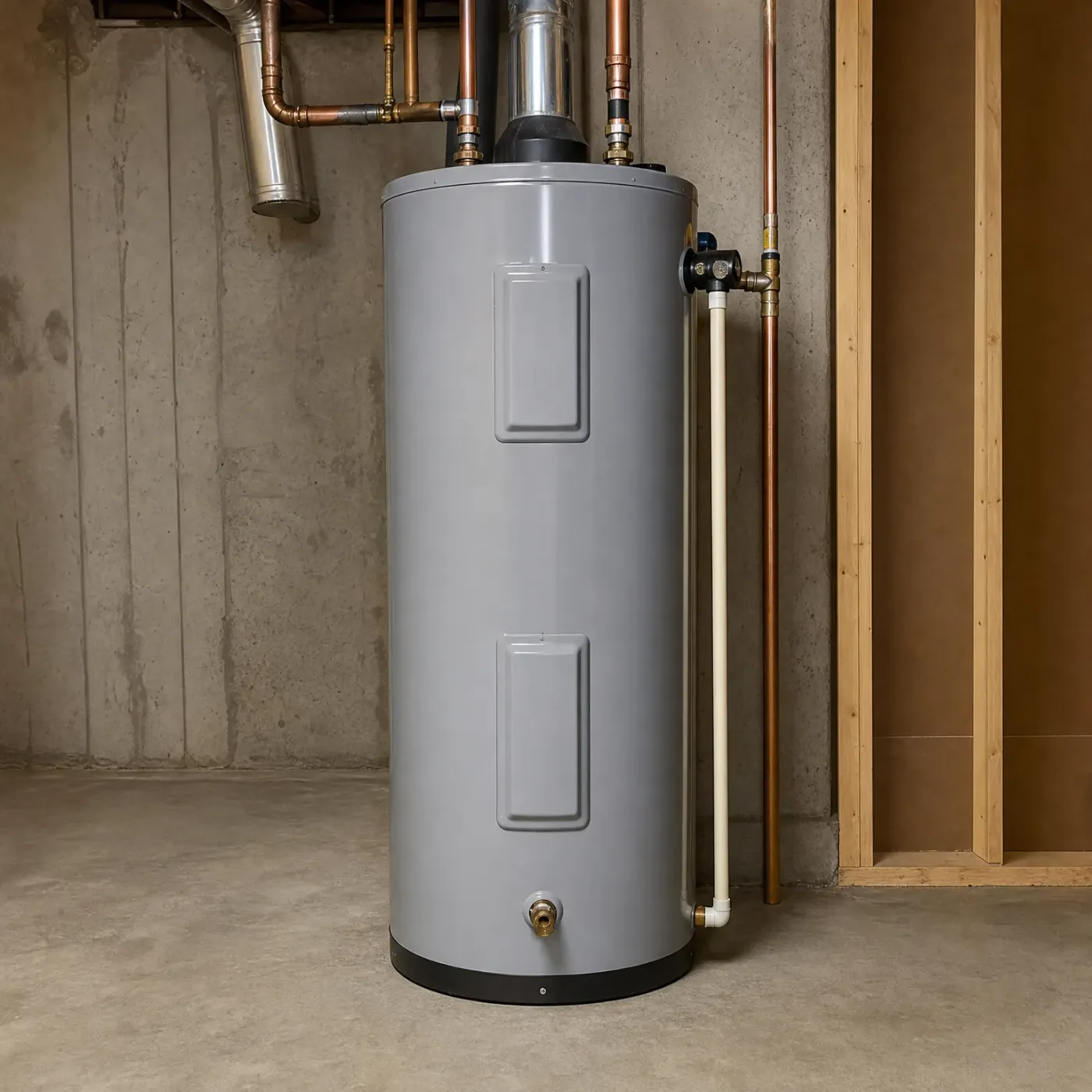
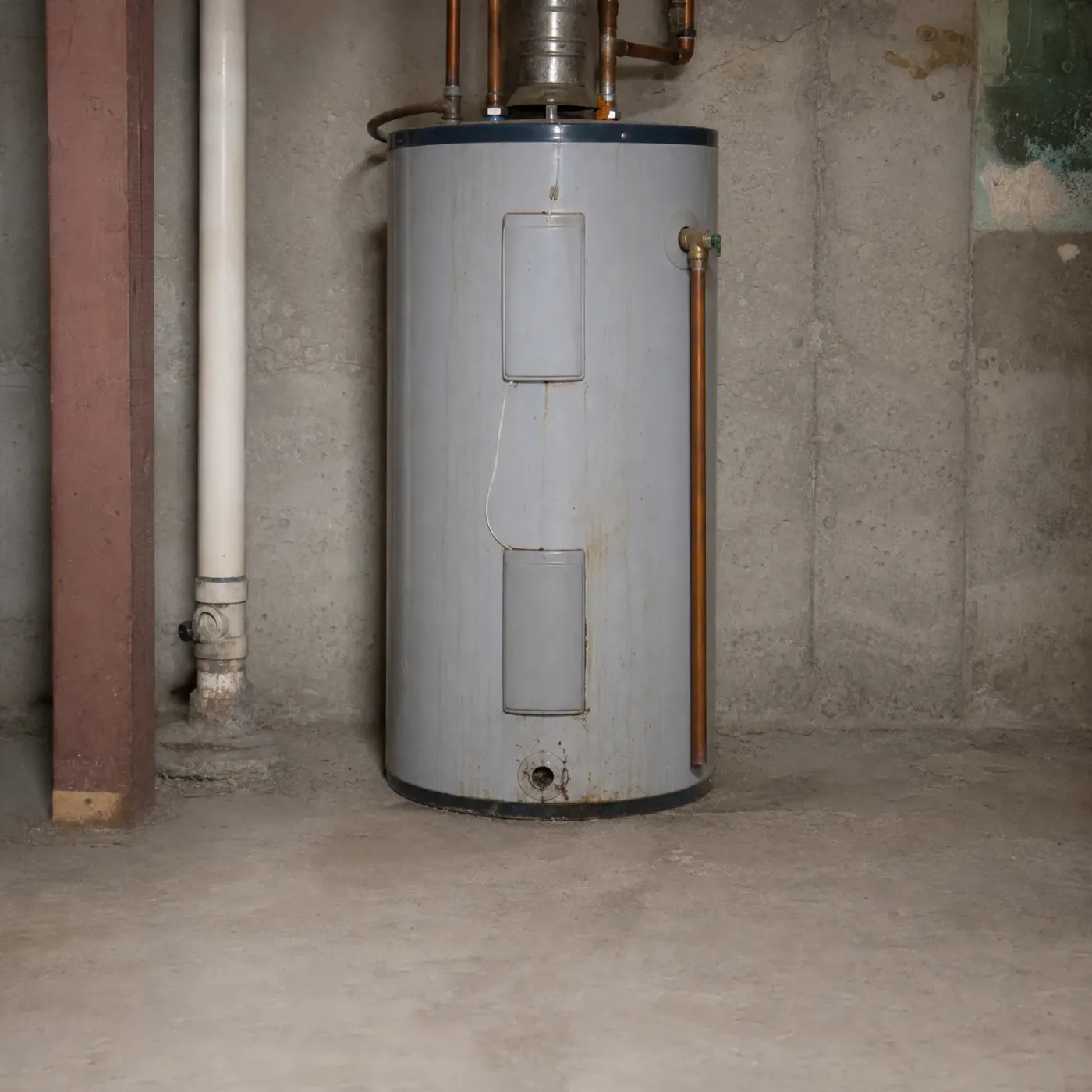
How much electricity does a heat pump water heater actually save?
You've seen the numbers thrown around online and want to know what a heat pump water heater would actually do to your bill, not a vague promise of savings. Power is cheap where you live, and gas is what most of your neighbors heat with, so the math that works in other states might not mean much here.
It cuts the electricity a water heater uses, but that's not the same as cutting your bill
A heat pump water heater moves heat instead of generating it, so it can use roughly a third to a quarter of the electricity a standard electric tank draws for the same amount of hot water. That's real, and it holds up in any climate because the compressor doesn't care what's happening outside. Where it gets smaller in Montana is the comparison. If your current water heater runs on gas, you're not replacing an expensive electric bill, you're replacing a cheap gas one with a smaller electric one. And with power already cheap here, the gap between what you pay now and what you'd pay after is narrower than it would be somewhere electricity costs more.


One request and it's handed off
Most homes here heat with gas, so a heat pump water heater would be running on the cheap power you already have, not competing against it. That math works in your favor more than it does in states where electricity costs more. But the unit still needs a space that makes sense, enough room around the tank and air warm enough to pull heat from, and only you know if your utility room fits that. If it does, this is worth a real look rather than a guess. Figuring out whether your space qualifies, what size tank fits your household, and which model handles a Montana basement well is the kind of thing that takes a few calls and a few hours you probably don't have free this week. Sending this request means someone who installs these for a living looks at your situation instead of you working through it room by room on your own.
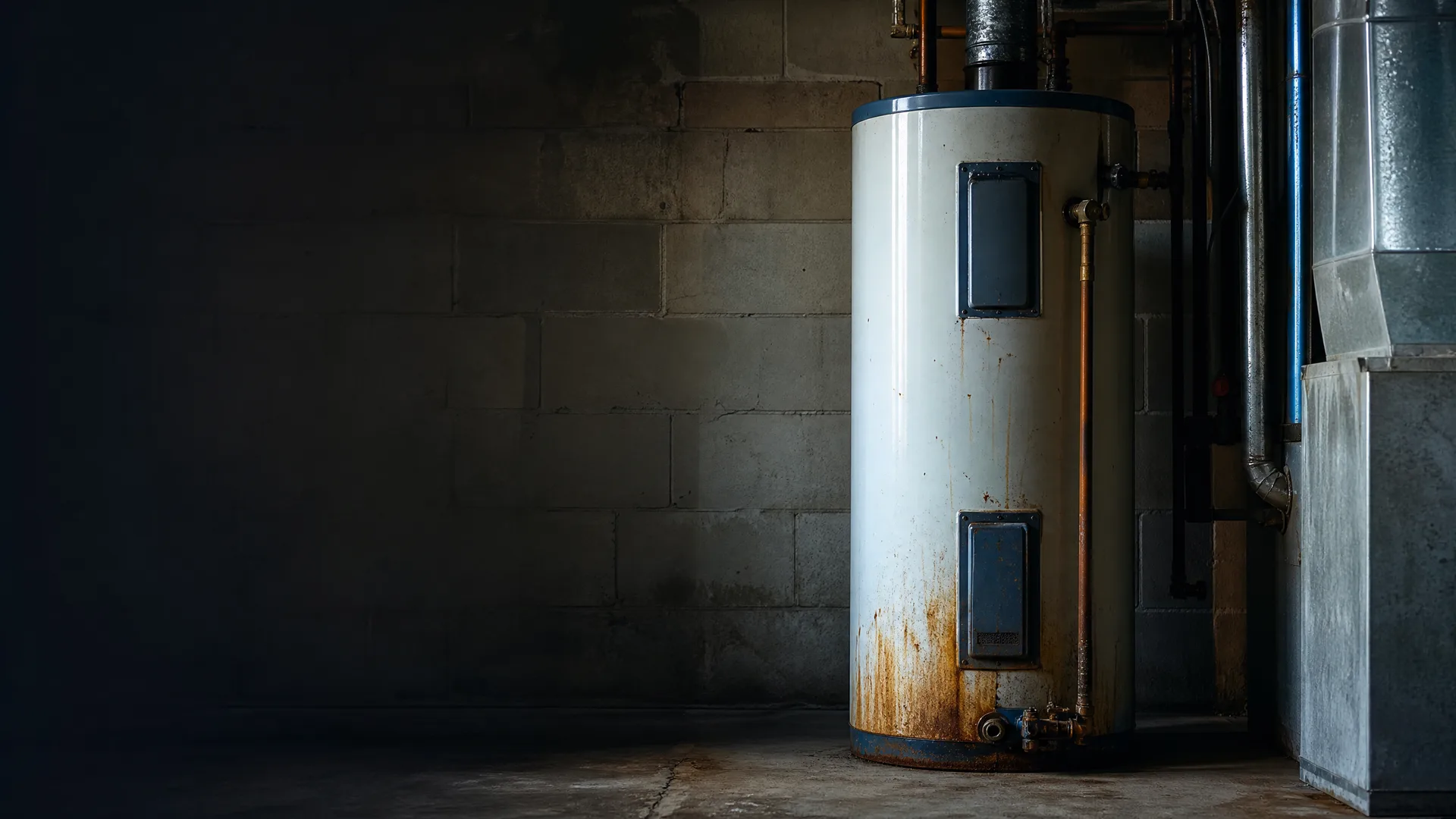
You go down to the utility room after dinner to grab something from the chest freezer, and the light catches the base of the water heater. Rust has worked its way up the seam near the bottom, a dark orange stain against the metal. It's been there a few weeks, you think, maybe longer. The tank still makes hot water fine, the shower upstairs ran hot ten minutes ago. But rust at the base isn't a part failing. It's the tank itself giving out, slow enough that you could put off dealing with it, except now you're standing here looking at it instead of walking past.
50.5% of homes statewide heat with gas
Just over half of Montana homes run on gas, including the one you're probably in. That means your water heater is likely gas too, and swapping it for a heat pump model means adding a 240-volt circuit where there's only ever been a gas line.
ACS 2020-2024 5-year B25040
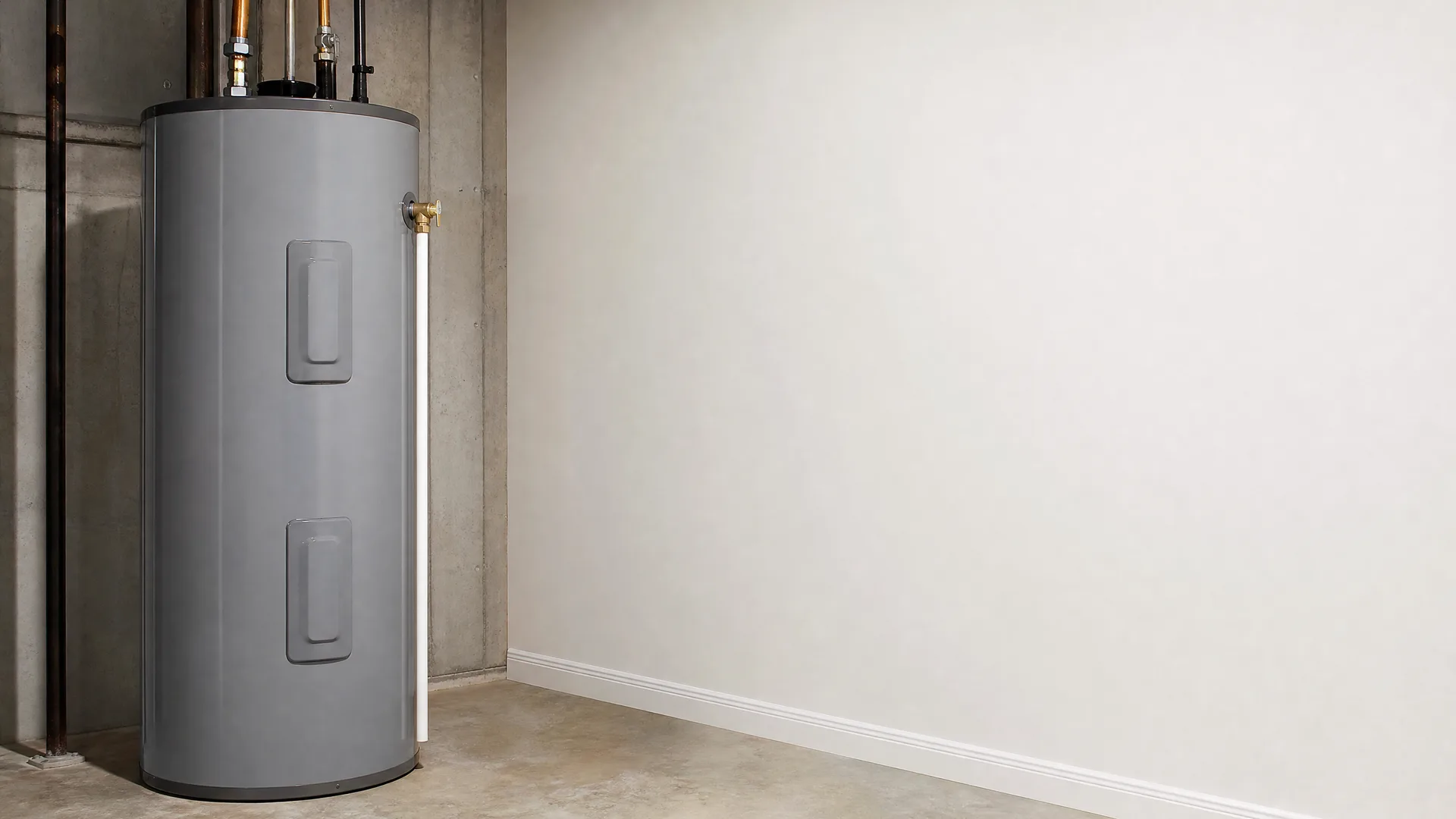
The room runs the numbers
A heat pump water heater moves heat instead of making it, so it pulls cold air off the room it sits in and lets it drop a few degrees while the tank warms up. In a tight closet, that space recovers slowly between draws and the unit leans on its backup element more. In an open basement with some volume around it, the cold air mixes back out and the compressor does most of the work.
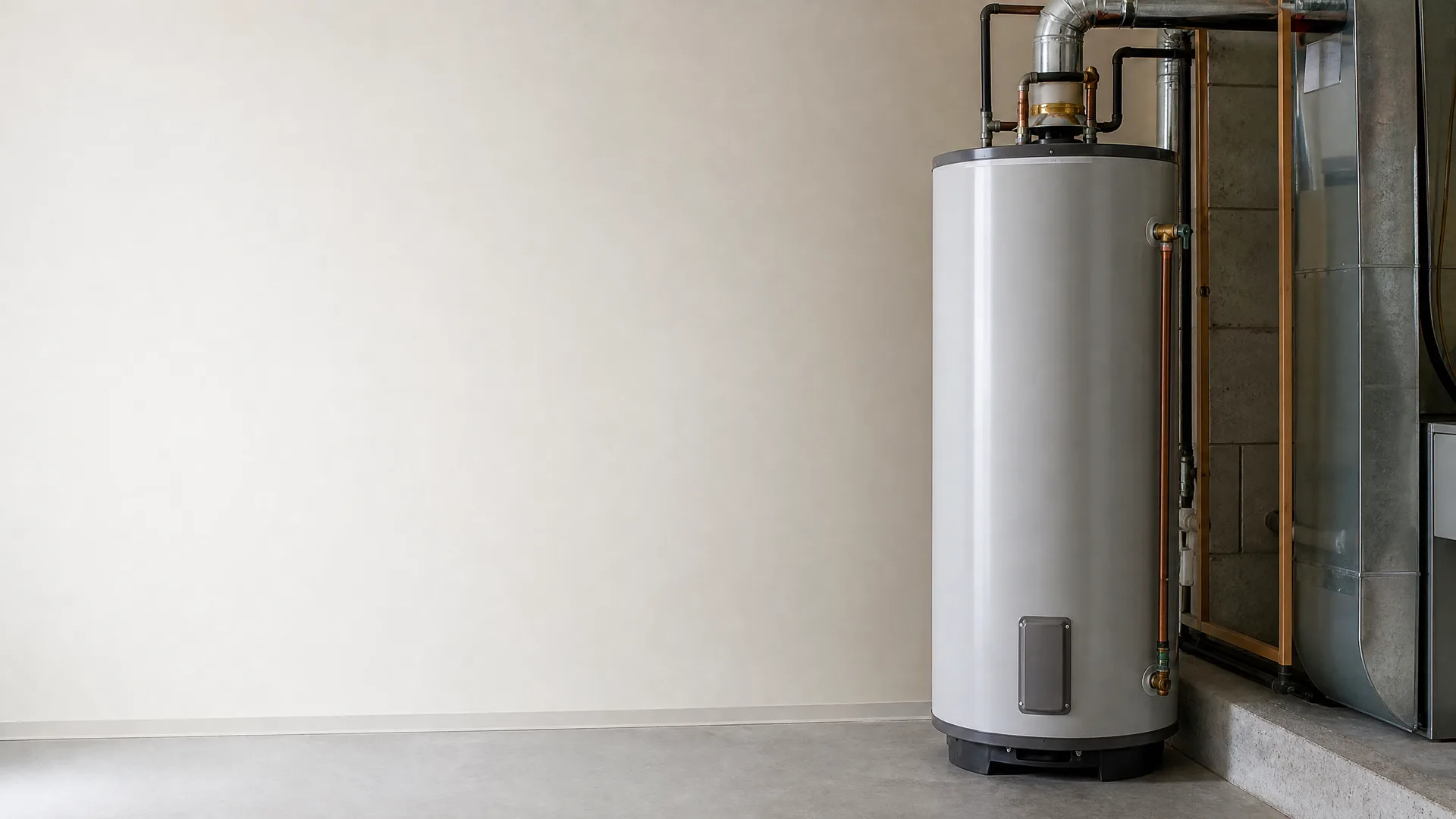
Exhaust air has to go somewhere
The unit pushes out air several degrees cooler than what it pulled in, and that air has to leave the room or vent outside or it just builds up and chokes the next cycle. Some installs duct it out, some just rely on the room being big enough to absorb it. Either way it's a question worth asking before the unit goes in, not after.

Where that leaves you
A heat pump water heater can work in your house, but only if the space around it can feed it warm air. If your utility room or basement stays cold most of the year, the unit will lean on its backup element more than it should, and the power savings you'd be counting on shrink. If that room has real volume and some warmth to spare, it can do what it's built to do.
Either way, this isn't a project to figure out alone. Someone has to size the space, check the electrical, run the gas line question down, and decide whether a tank, a hybrid, or a straight swap makes sense for your house. Send the form and that search is off your plate. No calling around, no repeating what's wrong with your water heater to three different people, no sorting through quotes that all explain things differently. You'll have someone who already knows the answer to the question you came here with.





Water Heater Installation
Done looking for a water heater pro
Fill out one short form instead of calling around.
