







How long a water heater lasts in Montana

One request and the search for a pro is handled.

Hand off the search

How long does a water heater last in Montana?

Your water heater has been running for years without complaint, or maybe it just started making noise, and you're trying to figure out if it's on its way out or still has good years left. Montana winters push these units hard, and you'd rather plan ahead than deal with a flood in the basement in January.

About 8 to 12 years

A gas water heater in Montana typically lasts 8 to 12 years, with the tank itself usually the first thing to fail. Most homes here run on gas, and the burner and tank take on the hard work of warming water that starts out cold for much of the year. Cold incoming groundwater means the tank cycles through more temperature swings to get water up to a usable heat, and that steady stress wears on the metal over time. Once a tank passes the 10 year mark, a rumbling sound, rusty water, or a damp spot near the base usually means it's closer to the end than the beginning. Catching it before it fails outright saves you from a basement full of water on a cold morning.

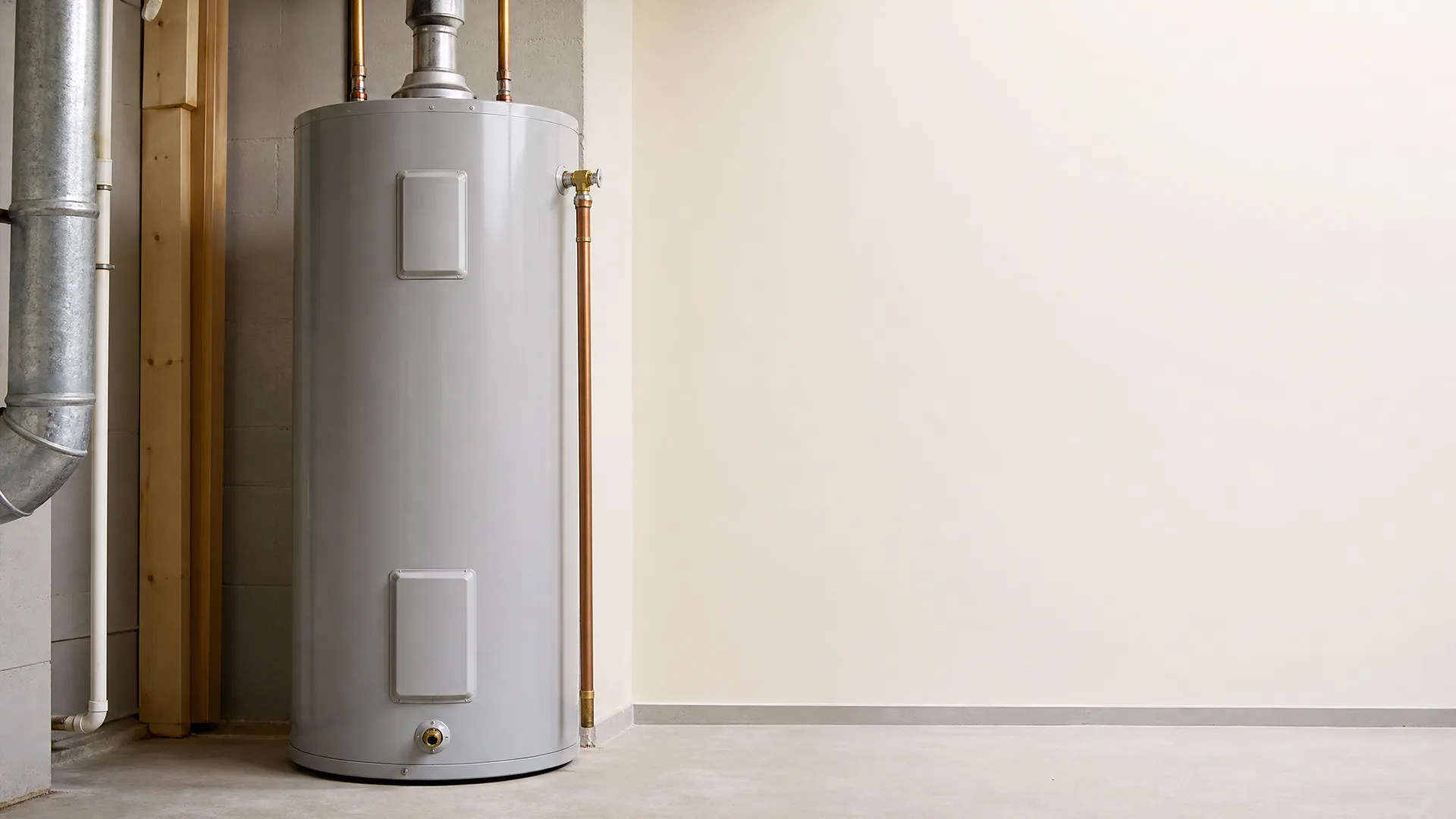
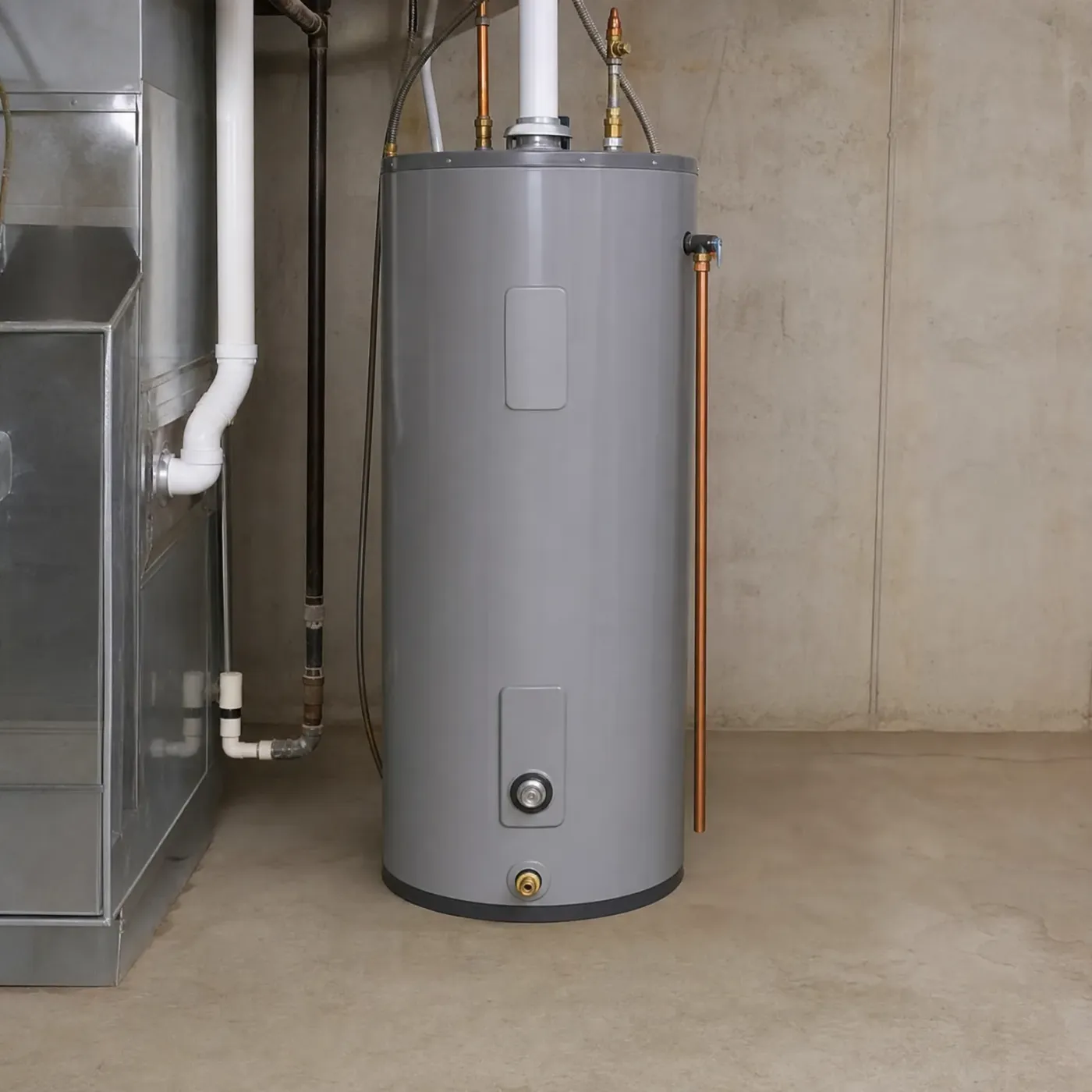
A gray cylindrical water heater with copper pipes stands in a basement corner beside a metal duct and wood framing, next to a plain beige wall and concrete floor.

Why sediment matters more here

Montana's groundwater often runs hard, and that mineral content settles to the bottom of the tank over time. The burner has to work through that layer to heat the water above it, so the tank runs hotter at the bottom than it should. That's often the cause behind a popping or rumbling sound. A tank with heavy sediment buildup is working harder than one that's been flushed, and that extra strain tends to shorten how many years it has left.

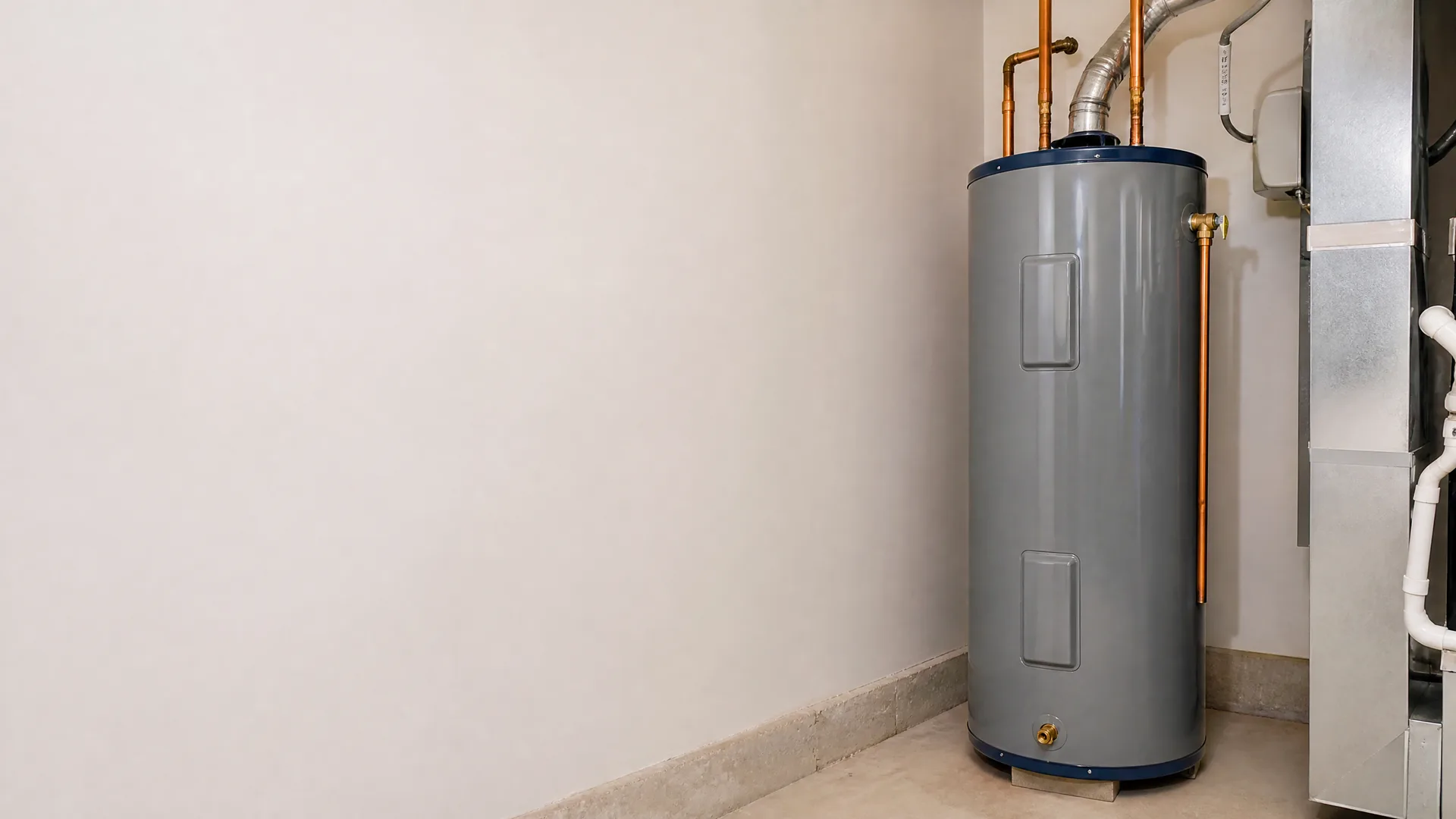
A gray cylindrical water heater with copper pipes stands in a corner of a basement utility room beside metal ductwork and white PVC piping.

What the pilot and vents tell you

Most gas water heaters in Montana homes rely on a standing pilot or an electronic igniter to light the burner. If the pilot won't stay lit, or the burner flame looks yellow instead of blue, that points to a venting or gas supply issue worth having checked. Cheap power here means electric tanks aren't costly to run, but gas units still make up most installs, and their venting needs to stay clear for the unit to work safely and last as long as it should.

Gas vs. Electric: Which Lasts Longer

Gas tank heater

  • Montana homes mostly run gas water heaters, and these typically last 8 to 12 years with normal upkeep.
  • The anode rod wears out first in most cases, and once it's gone, the tank itself starts to rust from the inside.
  • A gas burner has to work harder through a layer of sediment, which shortens the life of the tank faster than a cleaner one would run.
  • Recovery is quick even with cheap power here, so gas units don't lean on electricity to make up for slow reheating.
  • A standing pilot light stays lit without power, so a gas water heater keeps working through an outage that would stop an electric one cold.

Electric tank heater

  • An electric water heater often lasts a year or two longer than a gas one, since there's no burner or flue to corrode the tank from below.
  • Montana's cheap power keeps the running cost down, even though electric units take longer to reheat a full tank after heavy use.
  • Two heating elements do the work instead of a burner, and either one can fail on its own while the other keeps the tank partly running.
  • Hard groundwater still builds sediment on an electric tank, and a buried lower element has to push through that layer just like a gas burner does.
  • Most electric water heaters come back on by themselves once power returns, so a storm outage doesn't mean a trip to relight anything.
A smiling bearded man in a dark green hooded jacket and blue t-shirt sits on a couch in a living room with shelves, a potted plant, and a bowl of popcorn on a wooden table.
A smiling man in a green long-sleeved shirt sits on a beige sofa in a living room, with a bowl of popcorn in the foreground, a large potted plant and shelving behind him.
A smiling man in a dark blue T-shirt sits on a couch in a dimly lit living room with a bowl of popcorn and a remote on a wooden table, a lit floor lamp and bookshelves behind him, and windows showing greenery.
A smiling bearded man in a dark green long-sleeved shirt sits on a leather couch in a living room, with a bowl of popcorn and a remote control on a wooden table in the foreground.
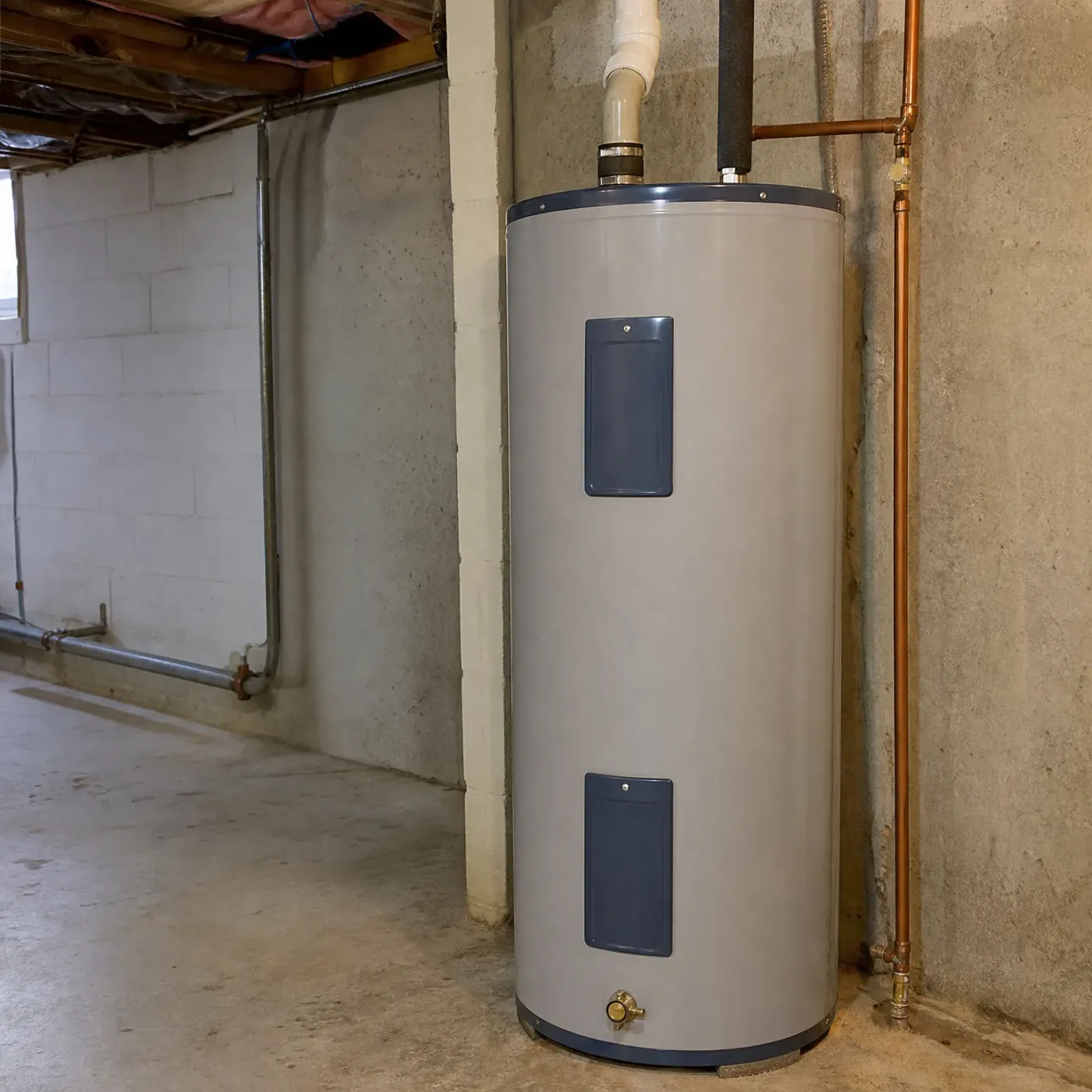
A tall gray cylindrical water heater stands in a basement corner against concrete block walls, with copper and metal pipes running along the wall and a vent pipe at its top.

It's off your list after this

One installer gets your project, so there's no bidding war over it.

Send it once and finding someone is no longer on you.

Get one local pro

Asking costs nothing, and the choice to hire stays yours.

Is your water heater already telling you something?

Rust-colored water from the hot tap, a tank that pops and rumbles when it heats, or water that takes longer to get hot than it used to. Those are the three to watch for. The popping comes from water forced through that sediment layer at the bottom of the tank. A puddle at the base, even a small one, means the tank has started to leak, and a leaking tank doesn't seal back up. Left alone, a failing tank can soak the floor around it or the drywall behind it, and in a basement that means real damage before anyone notices. If you've seen any of this in the last month, the tank is past the point of waiting it out.

  1. Cold water enters the tank and the thermostat calls for heat

  2. Gas valve opens and the burner lights beneath the tank

  3. Flame heats the water through the bottom and up the sides

  4. Sediment on the tank floor forces the burner to run longer

A gray cylindrical water heater stands on a concrete floor against a concrete wall, with copper and white pipes above it and a metal ductwork unit to the left.
A tank in good shape like this one heats quietly and keeps its connections clean, no rust creeping up the fittings.
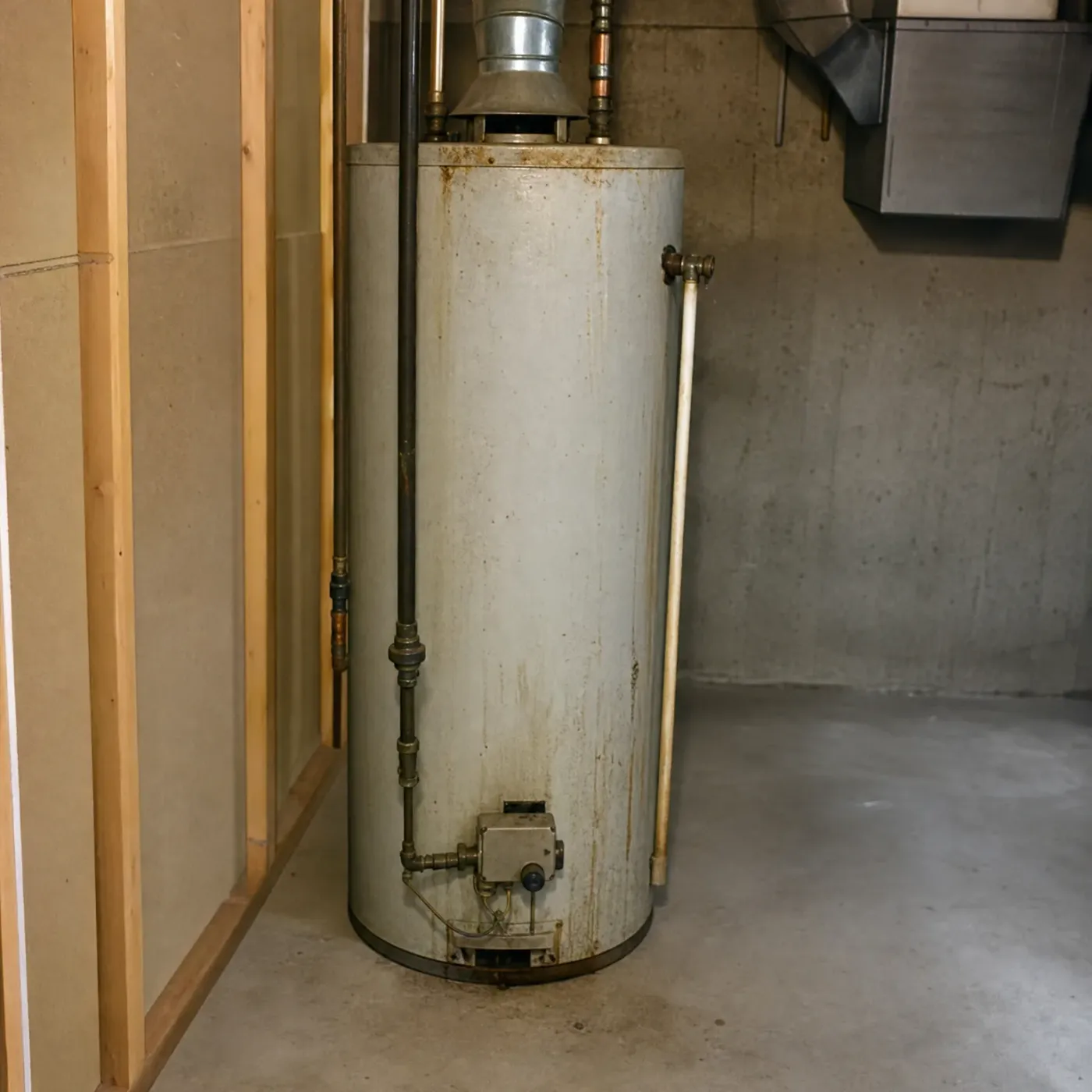
An old rusting gas water heater with flue pipe and connected plumbing stands on a concrete floor in a basement corner beside an unfinished wood-framed wall and a metal duct.
This is what a gas tank looks like after the anode rod is gone, rust working through the steel from the inside out.
A woman in a dark gray sweater reclines on a couch with her eyes closed and a knit blanket over her lap, an open book resting face-down in front of her, with a lit table lamp and shelving blurred in the background.
A bearded man in a dark navy sweater over a collared shirt smiles and looks off to the side while seated at a dinner table with a glass of red wine, a lit candle, and a plate of food in the foreground of a dimly lit room.

You could wait for a clear failure, a tank leaking onto the floor or water that won't get hot at all, and deal with it when it happens.

Or you could watch for the early signs, rust in the water, popping sounds, longer wait times, and get ahead of it before you're without hot water on a cold morning.

50.5% of homes statewide heat with gas

With half of Montana homes running on gas, yours is most likely a gas tank heater, and a gas burner heats water faster than electric but still loses ground to sediment buildup. That matters when you're deciding whether a slow recovery means it's wearing out or just needs a flush.

ACS 2020-2024 5-year B25040

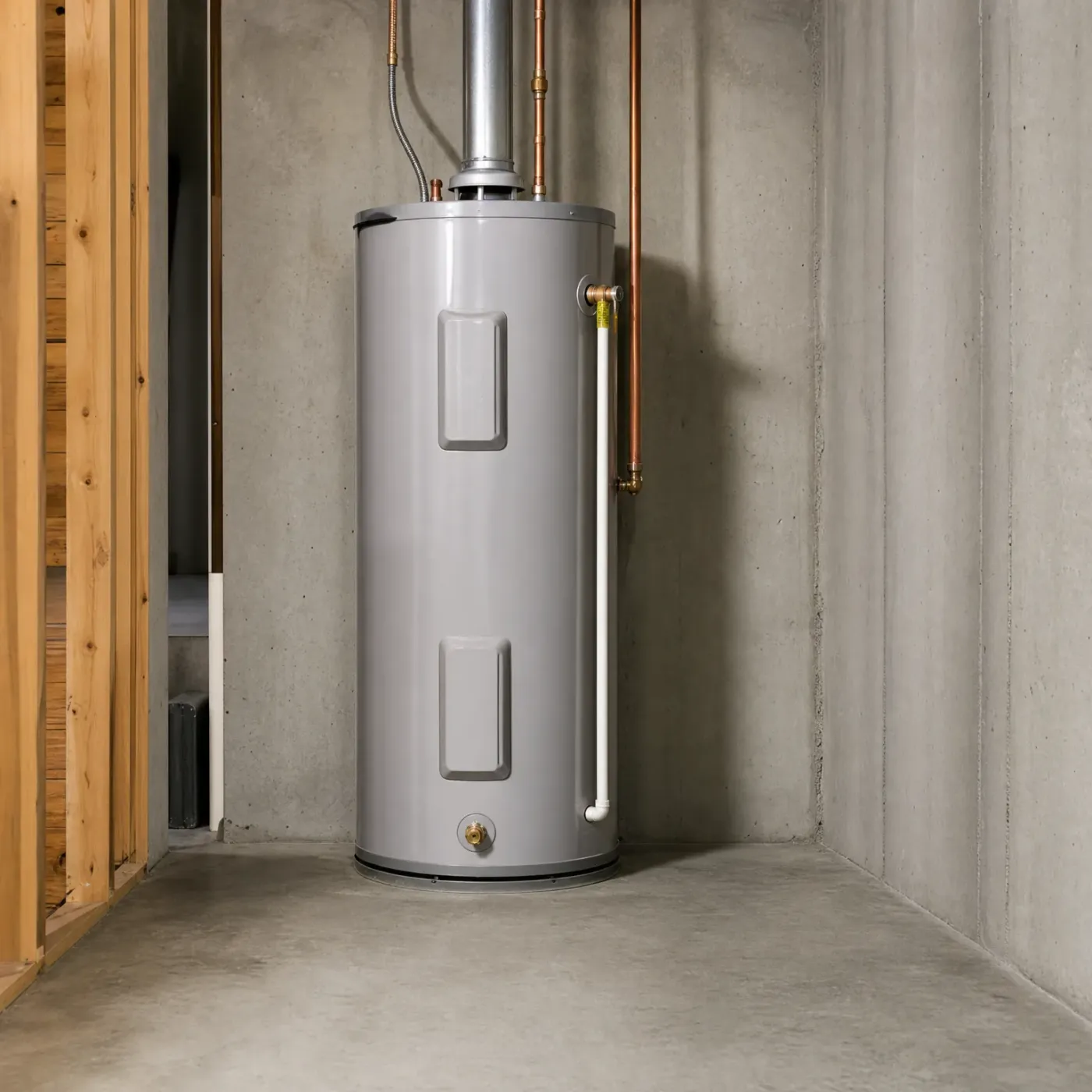
A gray cylindrical water heater standing in a concrete-walled basement corner, with copper and white pipes and a metal flue running up to the ceiling, next to exposed wood framing on the left.

A tank in good shape

Clean fittings, no rust on the copper lines, and a flue vent running straight up from the top. Water comes up to temperature at a normal pace and the tank stays quiet while it works. This is what you want to find when you check yours.
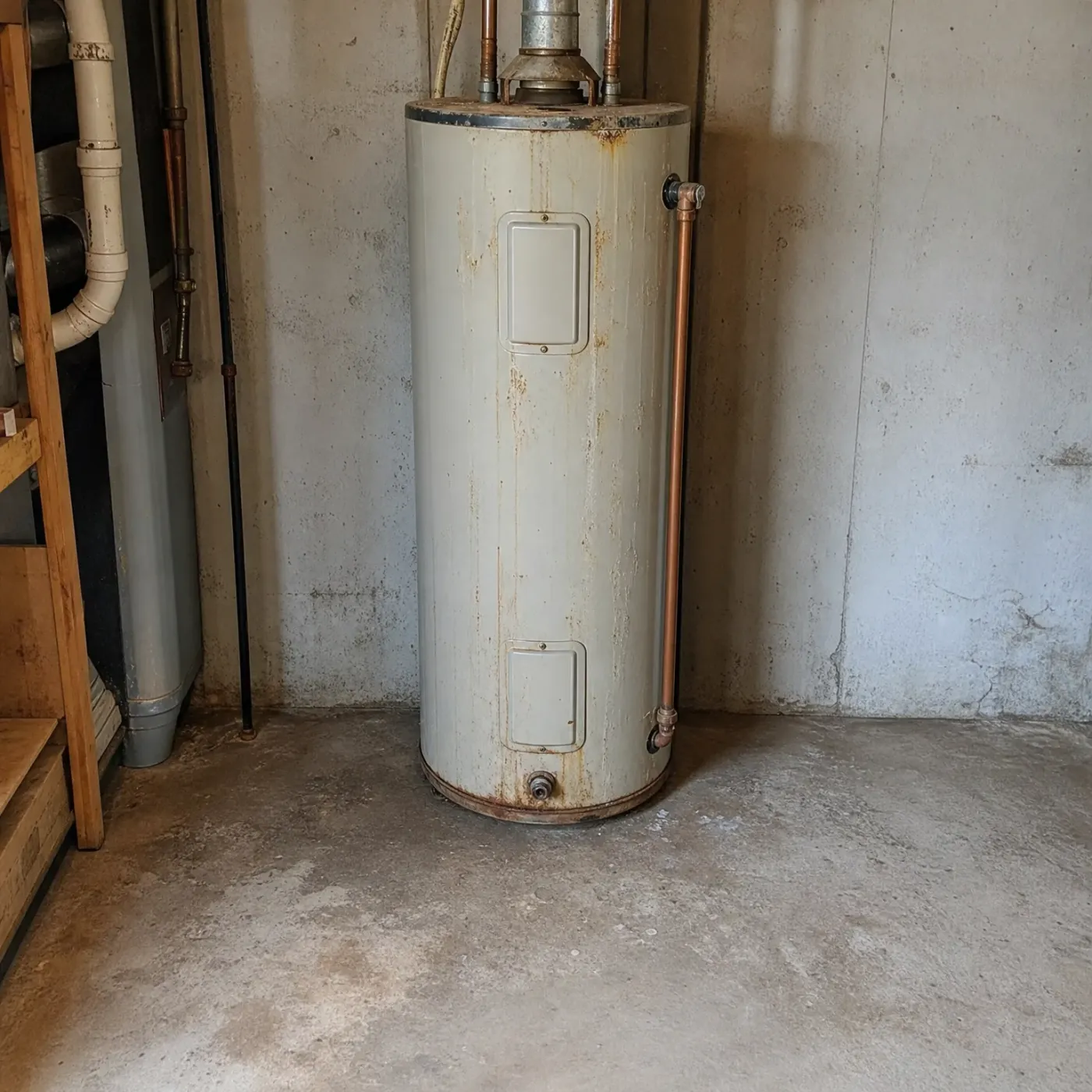

A rusted cream-colored water heater with copper piping and a flue stands in the corner of a concrete-walled basement next to wooden shelving and ductwork.

A tank on its way out

Rust spreads across the steel and down toward the base, past the point a wire brush fixes. Once corrosion shows on the outside like this, the anode rod inside has likely been gone a while and the tank itself is rusting from within. This one is close to leaking.

A gas water heater in Montana lasts 8 to 12 years, and the signs along the way (rust in the hot water, popping from the tank, a longer wait for hot water) tell you where you stand before you're stuck with a cold shower or water on the floor. If yours is showing those signs, or it's just getting up there in years, it's worth having someone look at it rather than guess. A local contractor who works on these tanks all year knows what Montana's hard water does to an anode rod and where a tank like yours tends to fail first, because it's the same thing he's seen in the house down the street. You'd be matched with one contractor, not a handful calling at once, so you can talk through what you're seeing and get a straight read on whether it's worth repairing or time to replace it.

A modern two-story house with dark siding and stone base at dusk, with lit soffit lights, a path of large rectangular pavers set in dark gravel, planting beds, a lawn, and an orange and blue sunset sky above distant trees and water.

Water Heater Installation

Stop chasing a water heater pro

Step 1 of 3: Equipment
  • A dimly lit living room corner with a beige upholstered sofa holding a dark green cushion and a chunky knit throw, beside a wooden sideboard with a lit ceramic table lamp, a small potted plant, and a wooden bowl, with a framed artwork on the wall and a mug on a book in the foreground.
    • A local installer who puts in water heaters gets your project.
    • Get in touch with a local installer about a new water heater.
  • A round wooden coffee table holding a round stone vase of green foliage, a lit candle in a glass container, and a small dark bowl, with a beige sofa, cushions and knit throw behind and a window at left.
    • One request ends the search for a water heater installer.
    • Once you send the form, finding a pro is off your list.
  • Sunlit living room with a wooden coffee table holding a ceramic vase of leafy branches and a carved wooden tray with two stacked books, in front of a beige sofa with tan and green cushions and a potted plant near a window.
    • Explain the job once and skip repeating it on every call.
    • Skip searching for a water heater pro and answer a few questions instead.
  • Interior corner with a lit ceramic table lamp and wooden bowl on a wood sideboard, a framed picture and branch-filled vase behind, a knit throw over an upholstered chair, and a lit candle in a glass holder, stoneware mug and round planter of green foliage on a wooden table in the foreground.
    • Your request goes to one pro, not a list of companies.
    • The pro who reaches out is licensed in Montana.



